Understanding Photoelectric Sensor Technology
Photoelectric sensors operate by emitting a light beam, typically from an LED or laser source, and detecting changes in the received light intensity. These sensors are widely used in industrial automation for tasks such as object detection, positioning, and counting. The principle relies on the interaction between light and the target or environment. When the light beam is interrupted, reflected, or absorbed, the sensor's receiver identifies this variation and triggers an output signal. This technology is favored for its non-contact nature, high precision, and fast response times. However, the performance can be influenced by environmental factors, including the presence of airborne particles like smoke or dust. In clean settings, photoelectric sensors function optimally, but in harsh conditions, their reliability may be compromised without proper design considerations.
Impact of Smoke and Dust on Sensor Performance
Smoke and dust particles can significantly affect photoelectric sensors by scattering or absorbing the emitted light. This interference reduces the light intensity reaching the receiver, potentially causing false triggers or missed detections. For instance, in manufacturing plants with high particulate levels, such as woodworking or metal processing facilities, smoke and dust accumulation on sensor lenses can lead to signal attenuation. Over time, this buildup may require frequent maintenance to ensure accuracy. Additionally, in outdoor applications, environmental dust or fog can mimic the effects of smoke, further challenging sensor operation. The degree of impact depends on particle size, concentration, and sensor type—diffuse, retro-reflective, or through-beam sensors each respond differently to such obstructions.
Design Features to Mitigate Smoke and Dust Issues
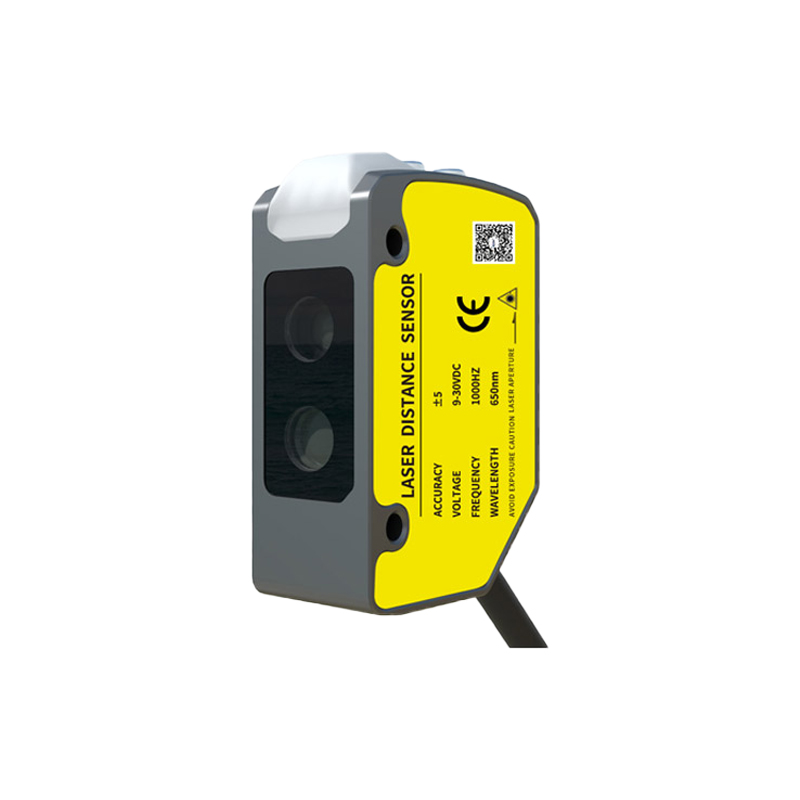
To address smoke and dust challenges, manufacturers incorporate various design features in photoelectric sensors. These include sealed housings with IP ratings (e.g., IP67 or IP69K) to prevent particle ingress and protect internal components. Some sensors use polarized filters or specialized lenses to reduce glare and scattering from airborne particles. Advanced models may employ background suppression technology or adjustable sensitivity settings to distinguish between true targets and environmental interference. For example, sensors with built-in air purging systems can blow clean air across the lens to keep it clear of contaminants. Regular cleaning protocols and proper installation—such as positioning sensors away from direct exposure to dust sources—also enhance durability in smoky or dusty environments.
Applications in Smoke-Prone Environments
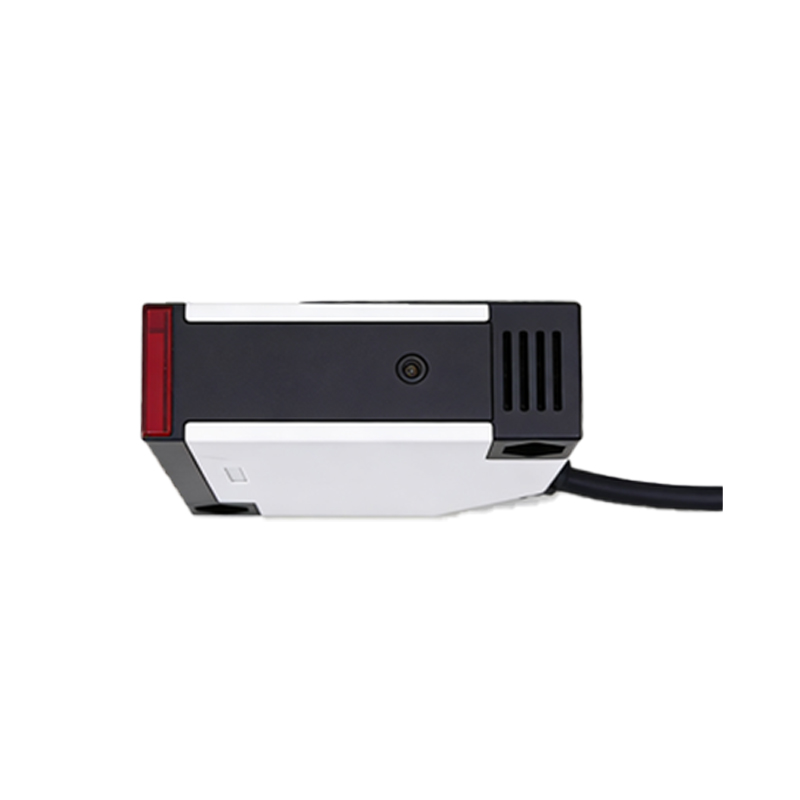
Photoelectric sensors are commonly deployed in industries where smoke or dust is prevalent, such as mining, agriculture, and automotive manufacturing. In these settings, sensors must maintain reliability despite particulate challenges. For instance, in conveyor systems handling granular materials, through-beam sensors with high-power light sources can penetrate light dust clouds without significant signal loss. Similarly, in fire detection systems, specialized photoelectric smoke detectors use scattered light principles to identify smoke particles, but industrial sensors for automation avoid this by focusing on robustness. Case studies show that selecting sensors with appropriate wavelengths, like infrared for better penetration, can improve performance in hazy conditions.
Maintenance and Best Practices for Longevity
Ensuring photoelectric sensors operate effectively in smoky or dusty conditions requires proactive maintenance. Regularly inspect and clean lenses using non-abrasive materials to remove particle deposits. Implement environmental controls, such as installing enclosures or using compressed air filters, to minimize exposure. Calibrate sensors periodically to adjust for any gradual degradation caused by contaminants. Training personnel on proper handling and troubleshooting can prevent operational downtime. Additionally, consider using sensors with self-diagnostic features that alert users to potential issues like lens fouling. By adhering to these best practices, industries can extend sensor lifespan and maintain high accuracy, even in challenging atmospheres.
Future Trends and Innovations
The evolution of photoelectric sensor technology continues to address smoke and dust concerns through innovation. Emerging trends include the integration of IoT capabilities for real-time monitoring of environmental conditions and sensor health. Smart sensors with adaptive algorithms can dynamically adjust parameters based on particulate levels, reducing false alarms. Research into new materials, such as hydrophobic coatings, aims to repel dust and moisture from lens surfaces. Furthermore, advancements in laser-based sensors offer higher precision and resistance to interference. As industries demand more resilient automation solutions, these developments will likely enhance the suitability of photoelectric sensors for even the dustiest or smokiest applications, ensuring reliable performance across diverse sectors.