Introduction to Photoelectric Sensors
Photoelectric sensors are versatile devices that utilize light to detect the presence, absence, or distance of objects. They operate by emitting a light beam, typically from an LED or laser diode, and then measuring the changes in the received light signal. These sensors are fundamental components in automation and control systems across various industries due to their non-contact nature, high speed, and reliability. The core principle involves the interaction of light with the target object, which can reflect, interrupt, or modulate the beam, allowing the sensor to generate an electrical output signal. This technology enables precise detection of objects regardless of their material, color, or surface texture, making it indispensable in modern manufacturing and process control.
Types of Photoelectric Sensors
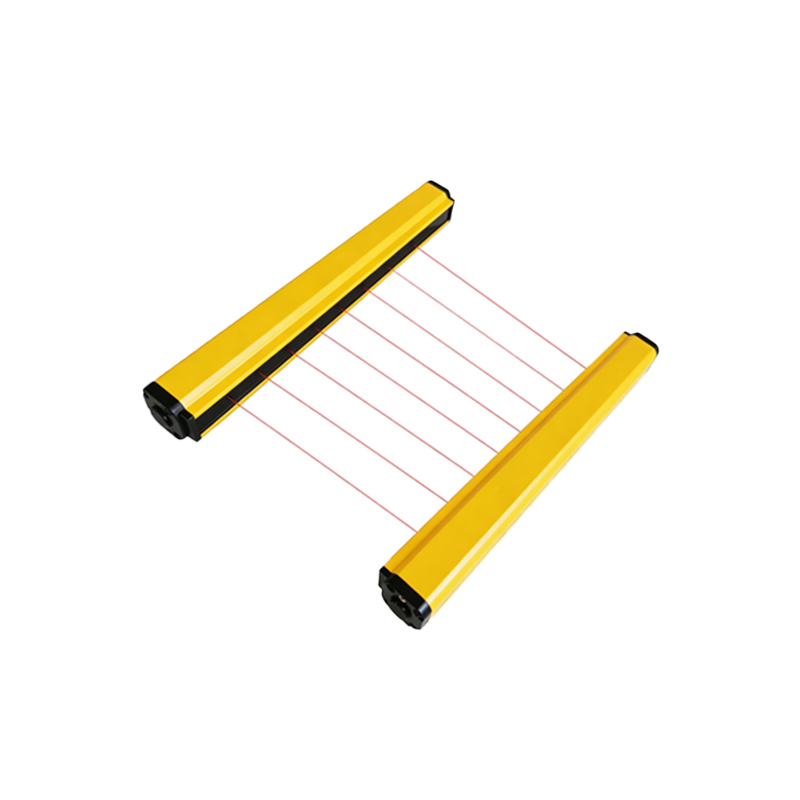
There are several primary types of photoelectric sensors, each suited for specific applications. Through-beam sensors consist of separate emitter and receiver units; they detect objects when the light beam between them is interrupted, offering long sensing ranges and high accuracy. Retro-reflective sensors use a reflector to bounce light back to the receiver, making them ideal for detecting objects that may not be directly in line. Diffuse reflective sensors have the emitter and receiver in one housing, detecting objects based on light reflection from the target itself, suitable for close-range applications. Background suppression sensors can ignore distant backgrounds, focusing only on nearby objects, while color sensors distinguish between different colors or contrasts. Each type provides unique advantages in terms of range, environmental tolerance, and installation flexibility.
Industrial Automation Applications
In industrial automation, photoelectric sensors play a critical role in enhancing efficiency and safety. They are widely used for object detection on conveyor belts, such as identifying products, counting items, or verifying positions in assembly lines. In packaging machinery, these sensors ensure precise filling levels, label placement, and seal integrity by detecting packaging materials and components. Robotics relies on photoelectric sensors for guidance and obstacle avoidance, enabling automated arms to handle objects accurately without collision. Additionally, in material handling systems, they monitor inventory levels, control sorting processes, and prevent jams by sensing the presence of pallets or containers. Their ability to operate in harsh environments with dust, moisture, or vibration makes them robust solutions for factory floors.
Quality Control and Inspection
Photoelectric sensors are essential in quality control and inspection processes to maintain product standards. They can detect defects, such as cracks or misalignments, by analyzing light reflection or transmission patterns. In the automotive industry, sensors verify the correct installation of parts like brake pads or airbags, ensuring safety compliance. In electronics manufacturing, they inspect circuit boards for component placement and soldering quality, reducing errors and waste. Color sensors differentiate between product variants or check labeling accuracy, while contrast sensors identify marks or codes on surfaces for traceability. By providing real-time feedback, these sensors enable immediate corrective actions, minimizing downtime and improving overall product reliability.
Safety and Security Systems
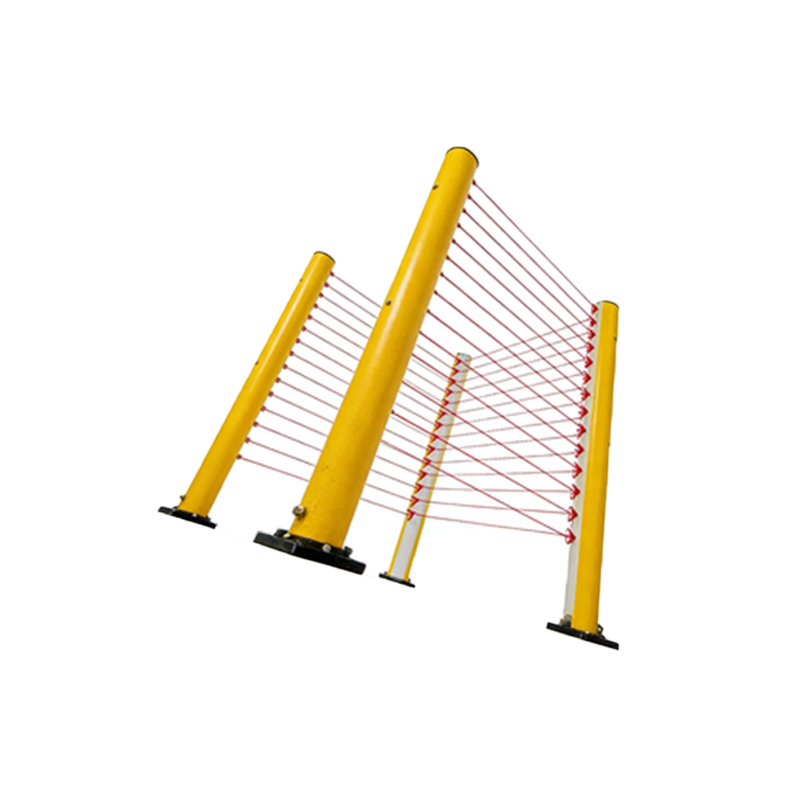
Beyond production, photoelectric sensors contribute significantly to safety and security systems. In safety applications, they form light curtains or barriers around hazardous machinery, instantly stopping operations if a person or object enters the protected zone, preventing accidents. For access control, sensors detect movement at doors or gates, triggering alarms or allowing authorized entry. In surveillance, they monitor perimeter breaches by sensing interruptions in infrared beams, enhancing facility security. Environmental monitoring also benefits from these sensors, such as detecting smoke or fire through light scattering principles in early warning systems. Their reliability and fast response times make them vital for protecting both personnel and assets in various settings.
Advantages and Future Trends
The advantages of photoelectric sensors include high precision, long service life, and minimal maintenance, as they have no moving parts and are resistant to wear. They offer flexibility in installation and can be integrated with IoT (Internet of Things) platforms for smart monitoring and data analytics. Future trends involve the development of more compact and energy-efficient sensors with enhanced connectivity, such as wireless options and AI-driven diagnostics. Advances in laser technology and fiber optics are expanding sensing capabilities to extreme conditions, like high temperatures or corrosive environments. As industries embrace Industry 4.0, photoelectric sensors will continue to evolve, supporting autonomous systems and predictive maintenance for greater operational intelligence.