2026-04-22
Tech Hub
By 创始人
Top 10 Photoelectric Sensor Types and Their Icons in Industrial Automation
1. Through-Beam Sensors
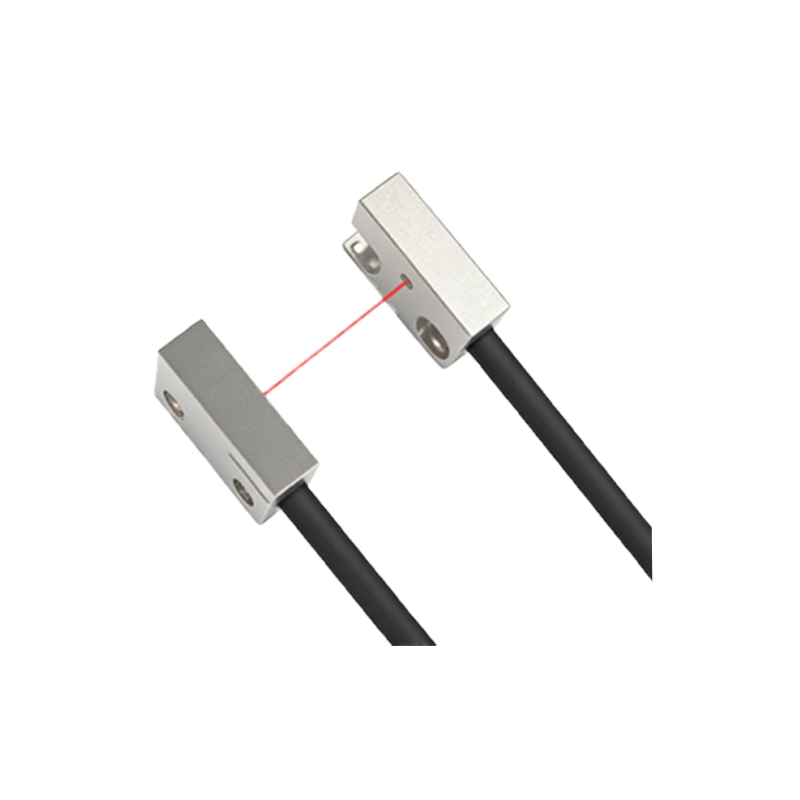
Through-beam photoelectric sensors consist of a separate emitter and receiver. The emitter sends a continuous beam of light directly to the receiver. An object is detected when it breaks this beam. The icon typically shows two opposing blocks with a dashed line between them, representing the light path. These sensors offer the longest sensing range and highest reliability in dusty environments.
2. Retro-Reflective Sensors
Retro-reflective sensors house both the emitter and receiver in a single unit, with a reflector placed opposite. The light beam is reflected back to the receiver. Detection occurs when an object interrupts the beam. The icon often depicts a single sensor block with a dashed line extending to a triangular reflector. They are ideal for medium-range applications and reduce wiring complexity.
3. Diffuse Reflective Sensors
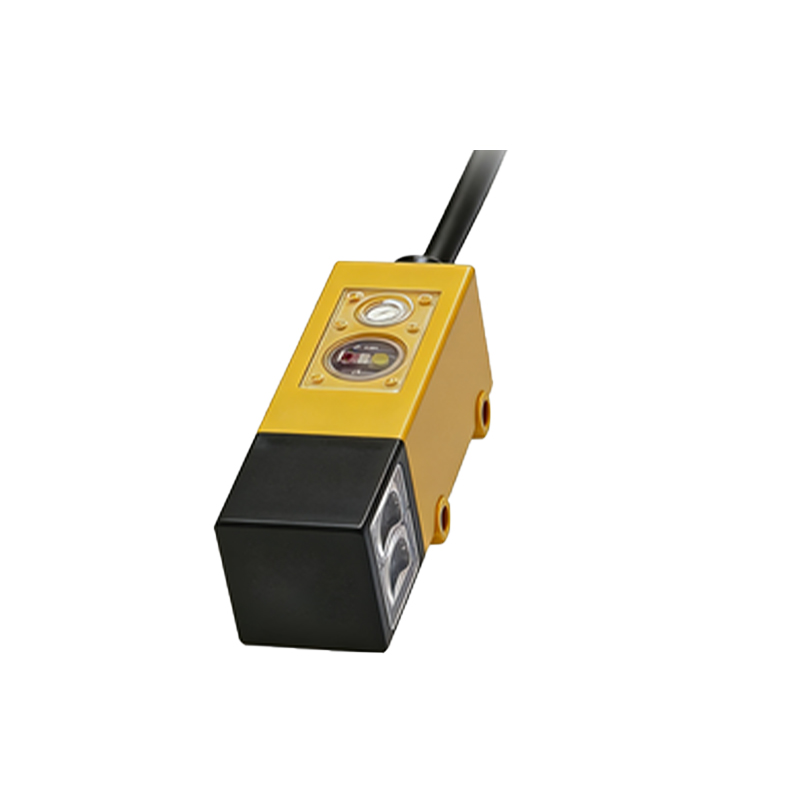
Diffuse reflective sensors also integrate the emitter and receiver. The emitted light reflects off the target object itself, and the receiver detects the reflected light. The icon shows a sensor block with a curved arrow or beam that hits an object and returns. These sensors are easy to install and work well for short-range detection of opaque objects.
4. Background Suppression Sensors
Background suppression sensors are a subtype of diffuse sensors. They use triangulation to ignore background objects beyond a set cutoff distance. The icon often features a sensor with a sharp angle or a stop line indicating the detection limit. This design ensures precise detection even in cluttered environments.
5. Fiber Optic Sensors
Fiber optic sensors use flexible fiber cables to transmit light to and from a remote sensing head. The emitter and receiver are in a main amplifier unit. The icon typically shows a rectangular amplifier with two thin fiber cables extending to a small lens. They excel in tight spaces and high-temperature areas.
6. Laser Sensors
Laser sensors use a focused laser beam for high-precision detection. The icon often includes a laser symbol (a star or dot) with a straight, thin line. They are used for small object detection and long-range sensing with minimal beam divergence.
7. Color Mark Sensors
Color mark sensors are specialized diffuse sensors that detect contrast or specific colors. The icon may display a sensor with a rainbow or color wheel symbol. They are crucial in packaging and printing for detecting registration marks.
8. Distance Measurement Sensors
Distance measurement sensors, often using time-of-flight technology, provide analog or digital output for exact distance. The icon typically shows a sensor with a ruler or arrow indicating distance. They are used for level monitoring and positioning.
9. Slot Sensors
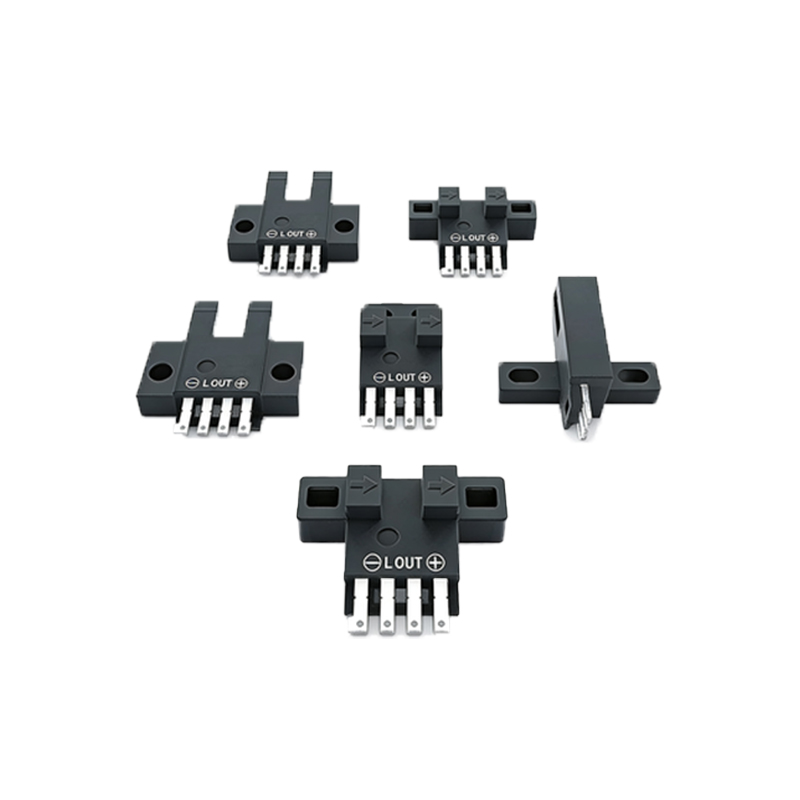
Slot sensors, or fork sensors, have a U-shaped housing with the emitter and receiver facing each other across the slot. The icon is a simple U-shape with a dashed line across the gap. They are easy to align and ideal for counting small parts.
10. Light Grid Sensors
Light grid sensors consist of multiple parallel beams between an emitter bar and a receiver bar. The icon shows two long bars with multiple dashed lines between them. They are used for large-area detection, such as warehouse access control.