Introduction to DC 3-Wire Photoelectric Sensors
DC 3-wire photoelectric sensors are essential components in modern industrial automation systems. These sensors operate on a direct current (DC) power supply and utilize three distinct wires: a power wire (Vcc), a ground wire (GND), and an output signal wire (OUT). Unlike 2-wire sensors, the 3-wire configuration allows for separate power and signal lines, enhancing compatibility with programmable logic controllers (PLCs) and other digital input modules. They detect the presence or absence of objects using light beams, typically infrared or visible red, and are widely used in manufacturing lines, packaging machines, and material handling systems for their reliability and precision.
Operating Principles of DC 3-Wire Photoelectric Sensors
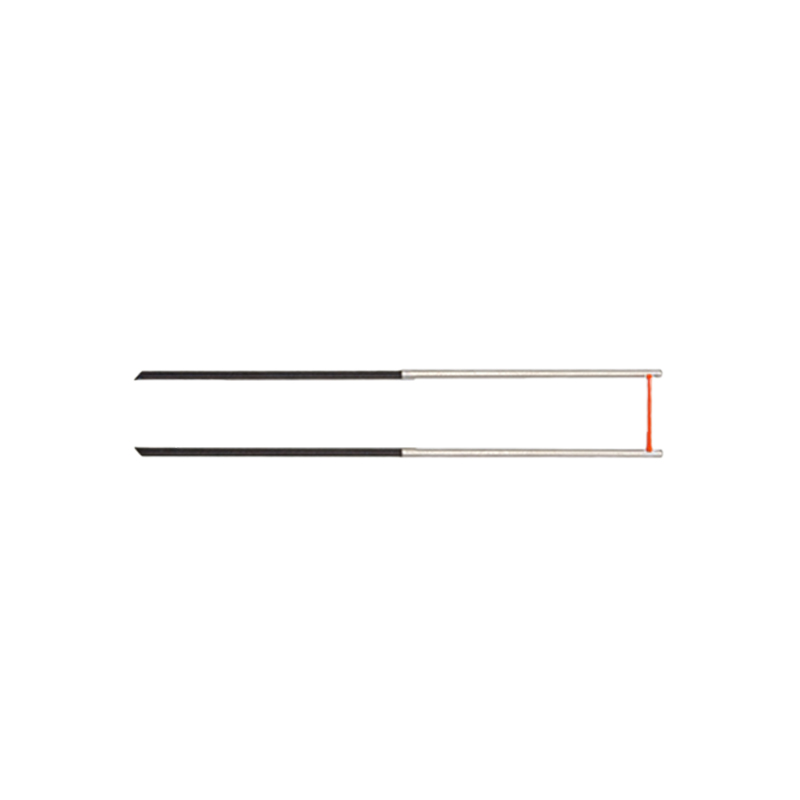
The core operation of a DC 3-wire photoelectric sensor relies on a light emitter and a receiver. The emitter generates a modulated light beam, while the receiver detects changes in light intensity caused by an object entering the sensing area. The three wires simplify integration: the brown wire connects to a positive DC voltage (e.g., 10-30 VDC), the blue wire to ground, and the black or white wire delivers the output signal. When the sensor detects an object, it switches the output state (either NPN or PNP), sending a logical high or low signal to the controller. This design minimizes voltage drop and ensures consistent performance even in noisy electrical environments.
Key Types and Configurations
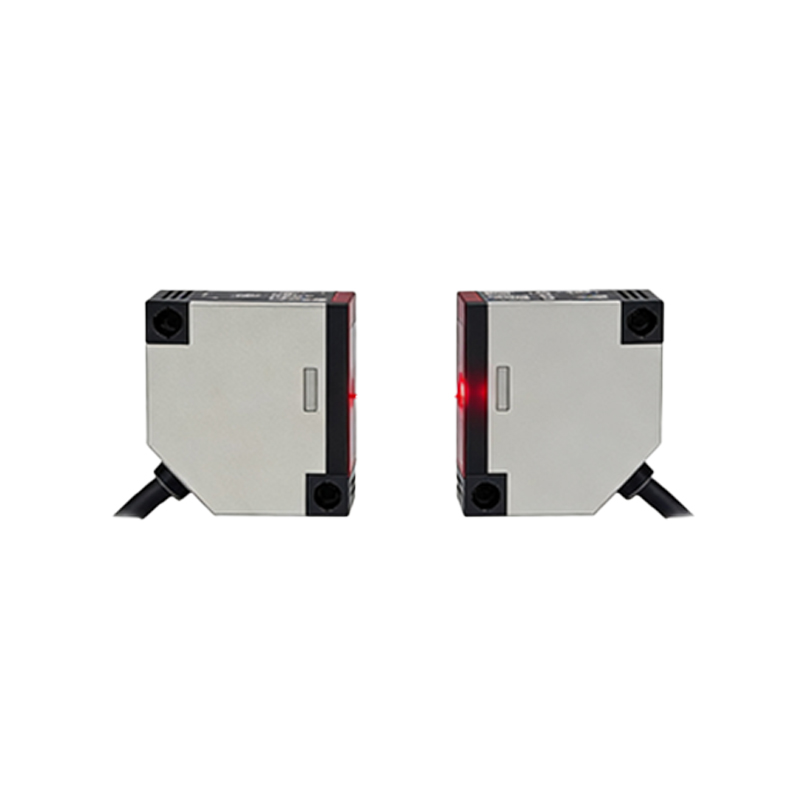
DC 3-wire photoelectric sensors come in several configurations to suit diverse applications. Through-beam sensors use separate emitter and receiver units, offering the longest sensing range and highest immunity to contamination, ideal for dusty environments. Retro-reflective sensors combine emitter and receiver in one housing, using a reflector to bounce the beam back; they are cost-effective for medium ranges. Diffuse sensors detect objects by reflecting light directly off the target, making them suitable for short-range, non-contact detection. Additionally, sensors can be configured as NPN (sinking) or PNP (sourcing) outputs, where NPN switches to ground when active and PNP switches to positive voltage, allowing flexibility with different PLC input types.
Installation and Wiring Best Practices
Proper installation of DC 3-wire photoelectric sensors is critical for optimal performance. Begin by selecting a sensor with appropriate sensing range, output type (NPN/PNP), and environmental protection (e.g., IP67 for wet areas). When wiring, ensure the power supply voltage matches the sensor rating (typically 10-30 VDC). Connect the brown wire to the positive terminal, blue to negative, and the output wire to the PLC input. Use shielded cables in high-electromagnetic interference (EMI) areas to prevent false triggers. Align the sensor carefully with the target, avoiding reflective surfaces that could cause stray light. For through-beam sensors, align the emitter and receiver precisely to maintain a stable beam.
Common Applications in Industry
DC 3-wire photoelectric sensors are ubiquitous in industrial settings due to their versatility. In packaging lines, they detect products on conveyor belts to trigger labeling or sealing machines. In material handling, they monitor the position of pallets or boxes for automated guided vehicles (AGVs). In automotive assembly, they verify component presence during robotic welding or painting. Their ability to detect transparent objects (using polarized retro-reflective sensors) makes them invaluable in glass or plastic manufacturing. Furthermore, their fast response times (often under 1 millisecond) enable high-speed sorting and quality control processes.
Troubleshooting and Maintenance Tips
Despite their robustness, DC 3-wire photoelectric sensors may encounter issues like false triggering or no detection. Common causes include misalignment, dirty lenses, or voltage fluctuations. To troubleshoot, first check the power supply voltage at the sensor terminals using a multimeter. Clean the lens with a soft, lint-free cloth and ensure the sensing path is clear of obstructions. Verify output wiring by testing the signal wire against the ground or power rail with a meter. If using NPN sensors, ensure the load is connected between the output and positive supply; for PNP, between output and ground. Regular maintenance includes periodic cleaning and alignment checks, especially in harsh environments with dust or moisture.
Conclusion and Future Trends
DC 3-wire photoelectric sensors remain a cornerstone of industrial sensing technology due to their simplicity, reliability, and adaptability. As Industry 4.0 advances, these sensors are evolving with integrated IO-Link communication, enabling real-time diagnostics and parameter adjustments. Future trends include miniaturization for compact machinery, enhanced immunity to ambient light, and energy-efficient designs for battery-powered systems. Engineers should stay updated on these developments to leverage the full potential of DC 3-wire sensors in smart factories and automated production lines.