Understanding Laser Photoelectric Sensors
Laser photoelectric sensors are widely used in industrial automation for precise distance measurement, object detection, and alignment tasks. These devices emit a focused beam of light, typically in the visible or infrared spectrum, and detect changes in the beam's reflection or interruption. Common applications include manufacturing lines, robotics, and safety systems. The key question for operators and engineers is whether prolonged exposure to these laser beams poses any health risks, particularly to the eyes or skin.
Laser Classification and Safety Standards
The safety of laser photoelectric sensors is governed by international standards such as IEC 60825-1, which classifies lasers from Class 1 (safe under all normal conditions) to Class 4 (high risk). Most industrial sensors used in photoelectric applications are Class 1 or Class 2 lasers. Class 1 lasers have output powers below the threshold for causing eye or skin damage, even during extended viewing. Class 2 lasers emit visible light with low power (≤1 mW) and are considered safe because the natural blink reflex limits exposure. Higher-class lasers, like Class 3R or 3B, are rarely used in standard sensors without additional safety measures.
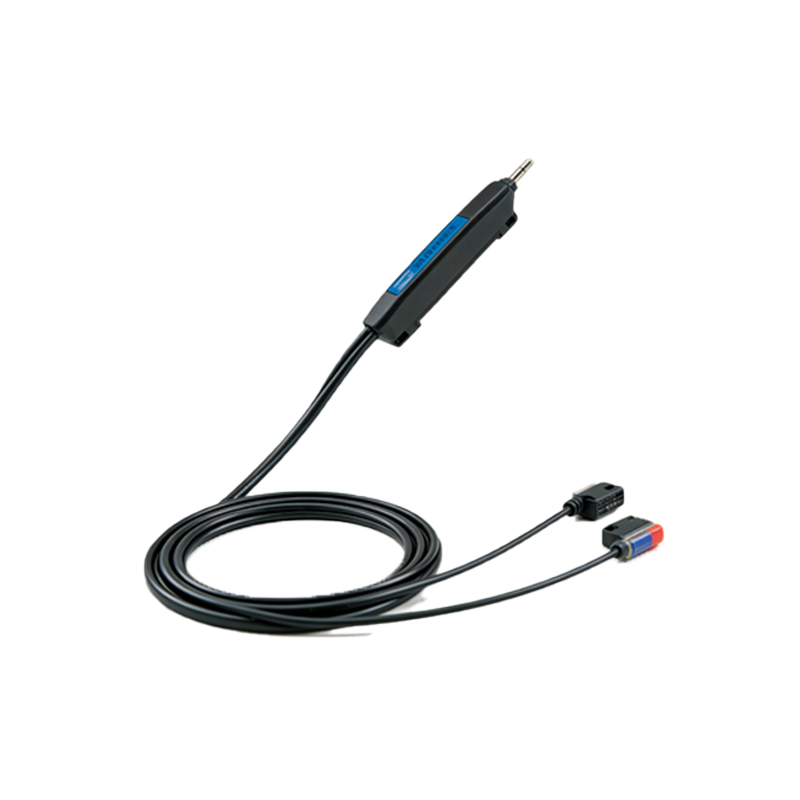
Eye Safety: The Primary Concern
The human eye is most vulnerable to laser radiation due to its ability to focus light onto the retina. For laser photoelectric sensors operating in the visible range (400-700 nm), even low-power beams can cause temporary glare or afterimages. However, for Class 1 and Class 2 devices, the risk of permanent retinal damage is negligible if the sensor is used as intended. Infrared lasers, common in some sensors, pose a greater hazard because the beam is invisible, and the blink reflex does not activate. Nevertheless, properly designed sensors incorporate beam divergence, low pulse energy, and safety interlocks to mitigate risks. Operators should avoid direct eye exposure to any laser source, regardless of class, and use protective eyewear when working with higher-class systems.
Skin Exposure and Thermal Effects
Skin damage from laser photoelectric sensors is extremely rare. The skin's outer layer (epidermis) can absorb laser energy, potentially causing burns or thermal injury if the power density is high enough. For Class 1 and Class 2 sensors, the energy levels are far too low to produce any noticeable thermal effect on skin. Even for higher-class lasers used in specialized industrial sensors, the beam is typically collimated and low-power, so accidental skin exposure results in only minor heating. However, repeated or prolonged contact with high-power lasers can lead to localized burns, making proper shielding and training essential in high-risk environments.
Practical Safety Measures for Industrial Use
To ensure safe operation, engineers and technicians should follow standard practices: verify the laser class of the sensor via its datasheet, avoid looking directly into the beam, and install sensors in locations where accidental exposure is minimized. For sensors with visible lasers, warning labels and beam guards are recommended. In environments with Class 3 or 4 lasers, mandatory use of laser safety glasses, beam enclosures, and interlock systems is critical. Regular maintenance checks ensure that sensors remain within specified emission limits, especially after damage or wear. Training for all personnel on laser safety protocols is equally important.
Conclusion: Low Risk with Proper Use
In summary, laser photoelectric sensors used in standard industrial applications pose minimal health risks when operated according to manufacturer guidelines and safety standards. The majority of these devices are Class 1 or Class 2, making them safe for routine use without special precautions beyond common sense. For higher-class lasers, strict adherence to safety protocols eliminates significant danger. As with any industrial equipment, awareness and training are the best defenses against potential harm.