2026-04-22
Tech Hub
By 创始人
LS61 Photoelectric Sensor: Precision Detection for Industrial Automation
Overview of LS61 Photoelectric Sensor Technology
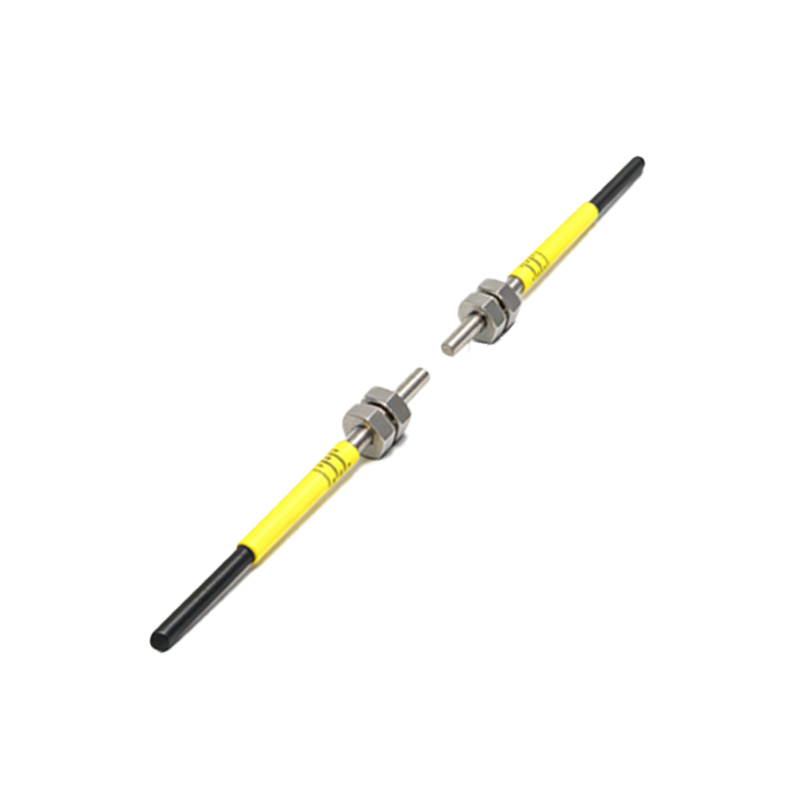
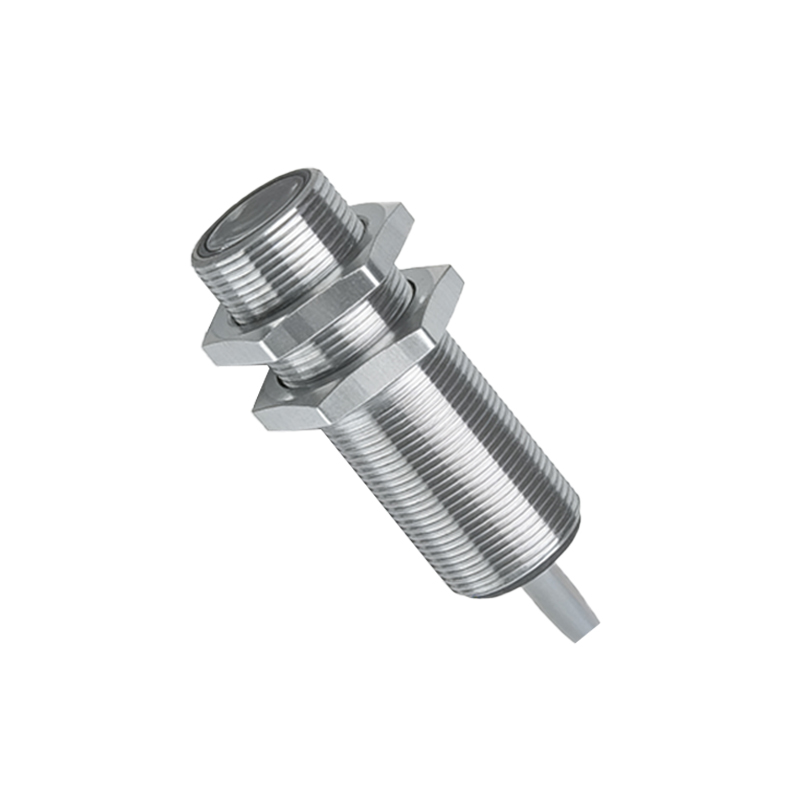
The LS61 photoelectric sensor is a robust, high-performance device designed for reliable object detection in demanding industrial environments. Operating on the principle of modulated infrared light, this sensor offers consistent performance even in the presence of ambient light interference, dust, or vibration. Its compact housing and versatile mounting options make it suitable for integration into conveyor systems, packaging machinery, and material handling equipment. The sensor is available in through-beam, retro-reflective, and diffuse sensing modes, allowing engineers to select the optimal configuration for specific application requirements. With a sensing range extending up to 15 meters for through-beam models and 3 meters for diffuse versions, the LS61 provides flexibility across diverse production lines.
Key Technical Specifications and Performance Metrics
Engineers will appreciate the LS61's technical robustness. It features a response time of less than 1 millisecond, ensuring high-speed detection for fast-moving objects. The sensor operates on a wide voltage range of 10-30 VDC, with reverse polarity and short-circuit protection built into the design. Output configurations include NPN and PNP transistor outputs, both normally open and normally closed, enabling seamless integration with PLCs and industrial controllers. The IP67 protection rating guarantees resistance to water ingress and dust, making it suitable for washdown environments. Additionally, the LS61 incorporates an adjustable sensitivity potentiometer, allowing fine-tuning of detection thresholds to minimize false triggers from reflective backgrounds or transparent materials.
Application Scenarios in Manufacturing and Logistics
In automotive assembly lines, the LS61 excels at detecting metallic and non-metallic parts on conveyor belts, even when parts are irregularly shaped or have glossy surfaces. For packaging applications, its diffuse mode reliably senses transparent films and glass bottles without requiring a separate reflector. In warehouse logistics, the through-beam version is ideal for pallet detection at loading docks, while the retro-reflective mode is effective for counting cartons on high-speed sorters. The sensor's ability to function in temperatures from -25°C to +55°C ensures stable operation in both cold storage facilities and heated production areas. Maintenance teams also benefit from the visible LED indicator, which simplifies alignment and troubleshooting during installation.
Installation and Wiring Guidelines
Proper installation is critical to maximizing the LS61's performance. Mount the sensor using the included stainless steel bracket, ensuring the optical axis is aligned perpendicular to the target surface. For through-beam pairs, align the emitter and receiver within 2 degrees of each other. Use shielded twisted-pair cable for connections exceeding 10 meters to minimize electromagnetic interference. The wiring diagram is clearly marked on the sensor housing: brown wire for positive supply, blue for negative, and black for output signal. For normally closed operation, connect the white wire as the complementary output. Always test the sensor with actual production materials before finalizing the mounting position, adjusting the sensitivity screw clockwise to increase detection distance or counterclockwise to reduce it.
Common Troubleshooting and Maintenance Tips
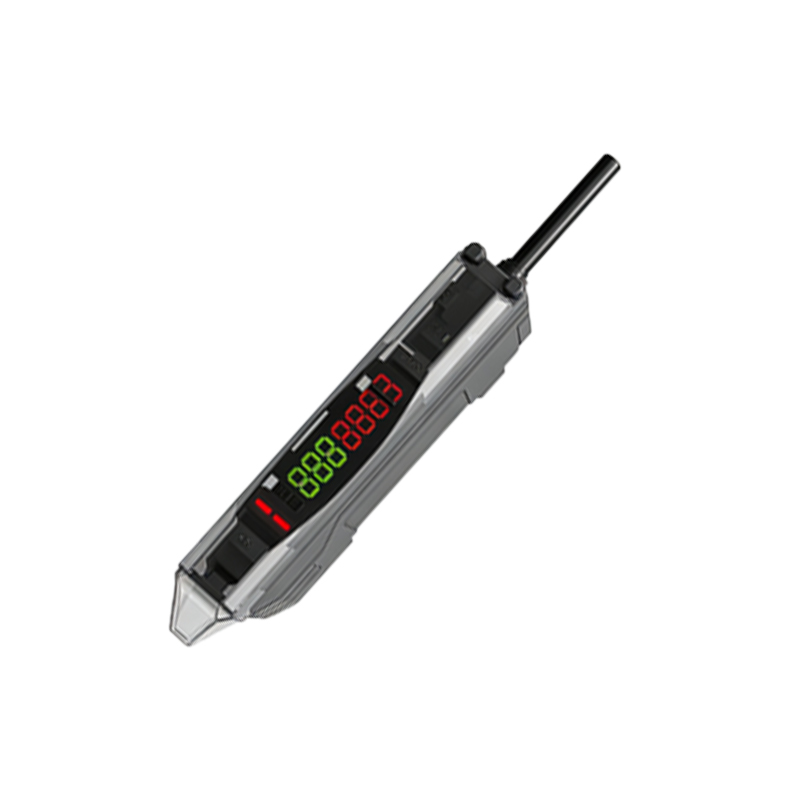
If the LS61 fails to detect objects consistently, first check the optical window for contamination. Clean with a soft, lint-free cloth and isopropyl alcohol. Verify that the supply voltage is within the specified range using a multimeter. For diffuse sensors, ensure the background is at least 10 cm behind the target to avoid false reflections. If the output remains stuck in the ON state, reduce sensitivity or switch to a different sensing mode. For through-beam pairs, confirm that the emitter and receiver are correctly wired and that no opaque obstacles block the light path. Regular maintenance includes inspecting cable connections for wear and replacing the sensor if the LED indicator blinks erratically, which suggests internal component degradation.