Introduction to Five Continents Photoelectric Sensors
Five Continents is a recognized manufacturer in the industrial automation sector, specializing in a diverse range of photoelectric sensors. These devices are fundamental components used for object detection, counting, positioning, and quality control across countless applications. The brand is known for offering reliable sensing solutions that balance performance with cost-effectiveness. Their product portfolio typically includes through-beam, retro-reflective, diffuse, and background suppression sensors, catering to various environmental and operational demands. Understanding the pricing structure of these sensors requires a look at the technological features, build quality, and market positioning that Five Continents employs.
Key Factors Influencing Sensor Pricing
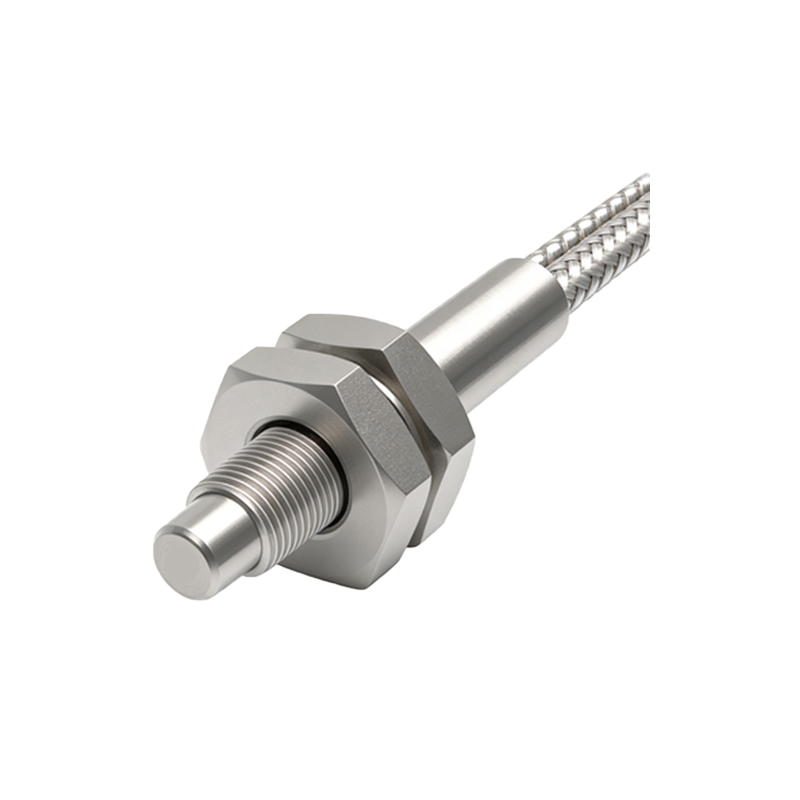
The price of a Five Continents photoelectric sensor is not a single fixed value but is determined by several technical and commercial factors. First, the sensing mode plays a significant role. A basic diffuse sensor is generally the most economical, while a precise background suppression or true background suppression sensor, which can ignore interfering backgrounds, commands a higher price. Through-beam sensors, consisting of separate emitter and receiver units, also have a different price point compared to self-contained models. Second, sensing range is critical; a sensor with a long-range detection capability (e.g., 15 meters or more) will be more expensive than a standard short-range model. Additional features like built-in amplifiers, adjustable sensitivity, time-delay functions, and teach-in capabilities add to the cost. Finally, the housing material (e.g., metal vs. plastic), ingress protection rating (IP67, IP69K for harsh environments), and output type (PNP/NPN, analog, IO-Link) are major price determinants.
Price Range and Typical Market Positioning
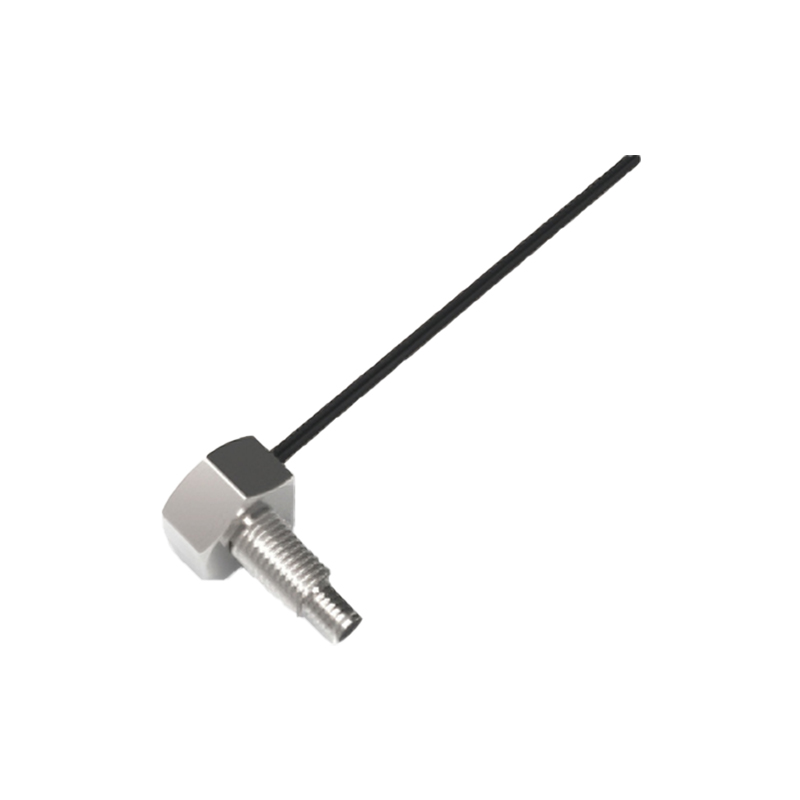
Five Continents sensors are positioned in the mid-range segment of the market. They are not the absolute lowest-cost options available, nor are they at the premium tier occupied by brands like Banner Engineering or Sick AG. This strategic positioning aims to deliver good reliability and performance without a premium price tag. For a standard diffuse sensor with a moderate range and plastic housing, prices might range from $20 to $50 USD. Retro-reflective and through-beam models typically range from $30 to $80. More advanced models, such as those with background suppression, laser technology for high precision, or special housings for hygienic or explosive atmospheres, can range from $80 to $200 or more. It's crucial to note that these are estimated list prices, and actual purchase costs can vary significantly based on distributor margins, order volume, and regional market conditions.
Comparison with Competing Brands
When evaluating Five Continents photoelectric sensor prices, a comparison with competitors provides essential context. Compared to economy brands that may source generic components, Five Continents often offers better construction consistency and technical support, justifying a slightly higher price. Against top-tier European and American brands, Five Continents sensors present a compelling value proposition, sometimes offering similar core functionalities at 20% to 40% lower cost. The trade-off might be in areas like brand recognition, extensive certification lists, or the depth of application engineering support. For many small to medium-sized enterprises (SMEs) and cost-conscious projects, this balance makes Five Continents a frequently selected option.
The Role of Distributors and Supply Chain
The final price paid by an end-user is heavily influenced by the distribution channel. Five Continents typically sells through a network of authorized distributors and system integrators. These partners add value through inventory holding, local technical support, and logistics, which is reflected in the price. Purchasing directly from large online industrial marketplaces might yield lower prices for standard models but often lacks application-specific advice. Furthermore, global supply chain dynamics, component availability (like semiconductors and lenses), and raw material costs directly impact the manufacturer's cost base, leading to periodic price adjustments. Bulk purchases for OEM projects usually come with substantial discounts, making the per-unit price much more attractive.
Total Cost of Ownership Considerations
A savvy engineer or purchaser looks beyond the initial purchase price to the Total Cost of Ownership (TCO). A Five Continents sensor, with its reputation for durability, can offer a lower TCO than a cheaper, less reliable alternative. Factors contributing to TCO include mean time between failures (MTBF), reducing downtime and maintenance labor costs; easy installation and configuration, saving on commissioning time; and compatibility with existing systems. A sensor that fails prematurely can cause expensive production stoppages, far outweighing any initial savings. Therefore, the mid-range price of a Five Continents sensor often represents a wise investment in long-term operational stability.
Future Price Trends and Conclusion
The market for photoelectric sensors is evolving with trends towards miniaturization, smarter sensors with IO-Link communication, and increased robustness. As Five Continents incorporates more of these advanced features into its standard offerings, there may be upward pressure on prices for new models. However, competitive pressures and economies of scale in manufacturing could help stabilize costs for established product lines. In conclusion, the price of a Five Continents photoelectric sensor is a function of its technical specifications, intended application, and market forces. For buyers, the key is to precisely define the application requirements and then evaluate the cost against the expected performance and reliability. The brand consistently aims to provide a favorable price-to-performance ratio, making it a strong contender in the global industrial sensor marketplace.