Introduction to Photoelectric Sensing Technology
Photoelectric sensors are a cornerstone of modern industrial automation, utilizing light beams to detect the presence, absence, or distance of objects. Their operation is based on the emission of a light source—typically an LED—and a receiver that detects changes in the received light signal. These changes are then converted into an electrical output signal. The core advantages of this technology include non-contact detection, high precision, fast response times, and the ability to sense a wide variety of materials, from metals and plastics to glass and liquids. This makes them indispensable in applications ranging from packaging and material handling to assembly line monitoring and safety systems. The reliability and versatility of photoelectric sensors have cemented their role as critical components in ensuring efficiency, safety, and quality control across countless industries.
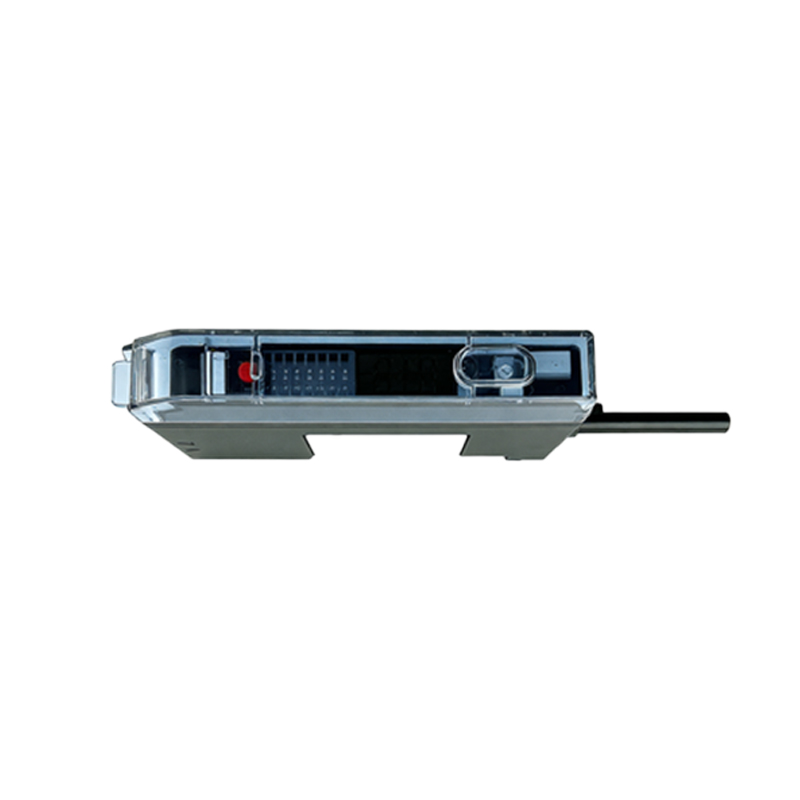
Evaluating Baoting Photoelectric Sensor Performance
Baoting, as a manufacturer in the photoelectric sensor market, offers products that compete in a demanding global landscape. A thorough evaluation of their sensors hinges on several key performance parameters. First is sensing range and accuracy. Models are available for various ranges, from close-proximity diffuse sensors to long-range through-beam variants. Accuracy and repeatability are crucial for precise positioning and counting tasks. Second is environmental robustness. Industrial settings present challenges like dust, moisture, vibration, and ambient light interference. High-quality sensors feature robust housings (often IP67 or higher ratings), stable optical designs, and effective background suppression or polarized filters to reject false triggers from shiny surfaces or stray light. Third is response speed and output configuration. Fast response times are vital for high-speed production lines, while flexible output types (PNP/NPN, analog, IO-Link) ensure compatibility with different control systems.
Key Features and Technological Advantages
Analyzing specific product lines reveals the technological focus of Baoting photoelectric sensors. Many models incorporate advanced features such as teach-in functionality for easy setup without potentiometers, allowing for quick adjustment of sensing parameters directly on the device or via remote input. The use of modulated infrared or visible red light enhances immunity to ambient light. Some variants offer precise background suppression, enabling reliable detection of an object within a defined "window" while ignoring objects beyond it. For challenging applications involving transparent materials, sensors with high-resolution capabilities or specialized coaxial optics are available. The integration of diagnostic indicators, like stable signal strength LEDs, aids in installation and troubleshooting, reducing downtime. The construction often emphasizes a compact form factor, facilitating installation in space-constrained environments.
Application Scenarios and Industry Fit
The suitability of Baoting photoelectric sensors is best demonstrated through their application across diverse sectors. In logistics and packaging, they are deployed for object detection on conveyors, box counting, and label verification. Within the automotive industry, they ensure part presence in robotic assembly cells and monitor component positioning. In food and beverage production, stainless-steel housed sensors withstand washdowns while detecting bottles, cans, or product levels. They also play a role in automated storage and retrieval systems for pallet detection and in printing machinery for paper break monitoring. The breadth of these applications indicates a product range designed to meet general-purpose industrial needs, offering reliable performance for standard automation tasks where consistent detection of solid objects is required.
Considerations for Selection and Integration
Selecting the right photoelectric sensor, including those from Baoting, requires a detailed analysis of the application. Engineers must define the object properties (size, color, material, surface finish), required sensing distance, required response frequency, and the environmental conditions. The choice between sensing modes—through-beam (highest reliability and longest range), retro-reflective, or diffuse (proximity)—is fundamental. Electrical compatibility with the existing PLC or controller is another critical factor. Furthermore, ease of mounting and alignment, availability of mounting accessories, and the clarity of documentation and support resources impact the total cost of ownership. While Baoting sensors offer competitive solutions, the final selection should involve comparing specifications, consulting technical data sheets, and, where possible, testing sample units in the actual operating environment to validate performance.
Market Position and Value Proposition
In the competitive landscape of industrial sensors, Baoting positions itself as a provider of cost-effective, reliable photoelectric solutions. Their value proposition often centers on delivering core functionality and durability at a competitive price point, making automation accessible for a wide range of users, including small and medium-sized enterprises. The product portfolio typically covers the most common industrial sensing needs. For highly specialized or extreme-performance applications, users might also evaluate niche or premium brands. However, for standard machine automation, conveyor systems, and general-purpose detection tasks, Baoting photoelectric sensors represent a viable and practical option, balancing performance, robustness, and cost. Their effectiveness is ultimately proven through reliable operation in the field, contributing to increased uptime and process efficiency.
Conclusion and Final Assessment
Baoting photoelectric sensors provide a solid, practical solution for a multitude of industrial object detection applications. They embody the essential principles of photoelectric sensing, offering good environmental protection, reliable detection for standard materials, and user-friendly features like teach-in capability. Their strength lies in addressing common automation challenges with dependable performance and cost efficiency. When integrated with proper application analysis—considering the object, environment, and required specifications—they can form a reliable component of an automated system. As with any industrial component, due diligence in selection, installation, and maintenance is key to maximizing their lifespan and performance. For engineers and system integrators seeking capable photoelectric sensors for general industrial use, Baoting's offerings warrant consideration as part of a comprehensive evaluation.