Introduction to Photoelectric Sensors in Thermal Printing
Photoelectric sensors are integral components in thermal printers, serving as critical elements for ensuring precise and reliable operation. These sensors utilize light-based technology to detect the presence, position, or movement of paper and other media within the printer mechanism. By emitting a light beam—typically infrared or visible light—and measuring the reflected or transmitted signal, photoelectric sensors provide real-time feedback to the printer's control system. This allows for accurate monitoring of paper feed, alignment, and end-of-roll detection, which are essential for maintaining print quality and preventing errors such as jams or misprints. In thermal printing, where direct thermal or thermal transfer methods are used, the role of these sensors becomes even more crucial due to the sensitivity of thermal paper and the need for consistent media handling.
Key Functions of Photoelectric Sensors
The primary functions of photoelectric sensors in thermal printers include paper detection, edge sensing, and mark recognition. Paper detection sensors are positioned along the paper path to confirm that media is present and properly loaded before printing begins. This prevents empty printing cycles that could damage print heads or waste resources. Edge sensors, often placed near the paper guides, detect the paper's edges to ensure correct alignment, reducing the risk of skewed prints. Mark recognition sensors, on the other hand, identify pre-printed marks or perforations on labels or tickets, enabling precise cutting or dispensing in applications like retail receipts or barcode labels. These functions collectively enhance operational efficiency by automating media handling and minimizing manual intervention.
Types of Photoelectric Sensors Used
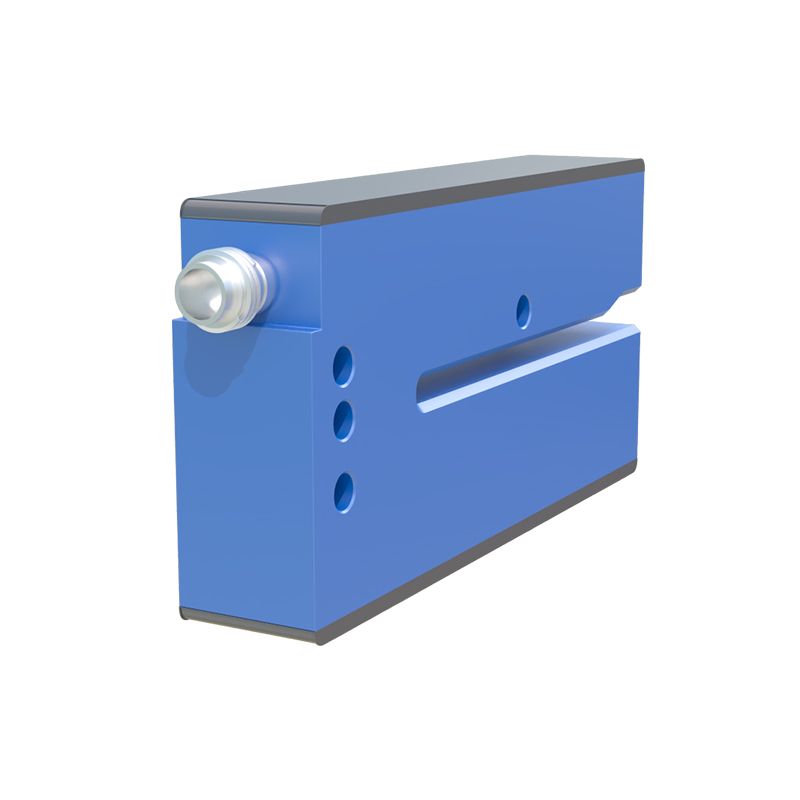
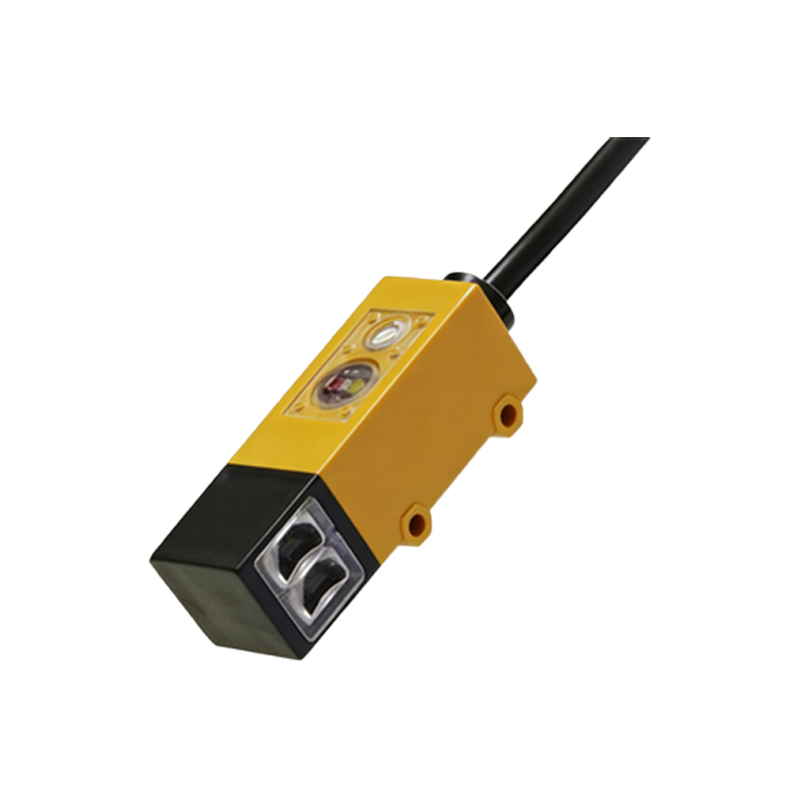
Thermal printers commonly employ two main types of photoelectric sensors: reflective and transmissive. Reflective sensors work by emitting light onto a surface, such as paper, and detecting the reflection. They are ideal for detecting opaque media or specific marks, as they can sense changes in reflectivity. Transmissive sensors, also known as through-beam sensors, consist of separate emitter and receiver units placed opposite each other. They detect interruptions in the light beam caused by paper passing through, making them suitable for transparent or thin media. In thermal printers, reflective sensors are often used for mark sensing, while transmissive sensors excel in paper presence detection. The choice depends on factors like media type, printer design, and environmental conditions.
Applications in Various Industries
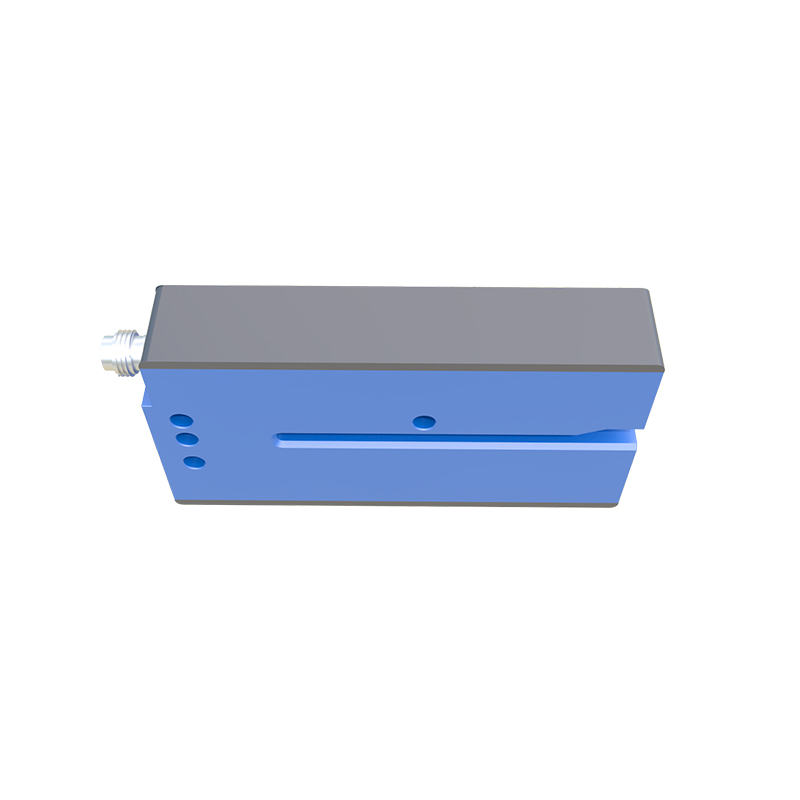
Photoelectric sensors in thermal printers find applications across diverse industries, including retail, healthcare, logistics, and manufacturing. In retail, they ensure accurate receipt printing by detecting paper rolls and aligning labels for barcode generation. Healthcare settings rely on these sensors for printing patient wristbands or prescription labels, where precision is vital for safety. Logistics companies use thermal printers with advanced sensors for shipping labels and tracking tags, improving automation in warehouses. In manufacturing, sensors facilitate printing on packaging or components, supporting just-in-time production processes. Each industry benefits from the sensors' ability to reduce errors, increase throughput, and enhance overall system reliability.
Advantages and Performance Benefits
The integration of photoelectric sensors offers several advantages in thermal printing systems. Firstly, they improve accuracy by providing real-time feedback, which minimizes misprints and media waste. Secondly, sensors enhance durability by preventing mechanical failures, such as head strikes from paper jams. Thirdly, they support high-speed printing by enabling rapid media detection and adjustment, crucial for time-sensitive operations. Additionally, these sensors contribute to energy efficiency by allowing printers to enter low-power modes when no media is detected. Overall, the use of photoelectric sensors leads to cost savings, reduced downtime, and better user satisfaction, making them indispensable in modern thermal printer designs.
Maintenance and Troubleshooting Tips
To ensure optimal performance, regular maintenance of photoelectric sensors is essential. Dust, debris, or thermal paper residue can accumulate on sensor lenses, leading to false readings or failures. Cleaning with a soft, lint-free cloth and isopropyl alcohol is recommended periodically. Troubleshooting common issues involves checking for obstructions in the paper path, verifying sensor alignment, and testing electrical connections. If sensors fail to detect media, recalibrating or replacing them may be necessary. Users should also consult printer manuals for specific guidelines, as sensor configurations vary by model. Proactive maintenance helps extend sensor lifespan and maintains print quality over time.
Future Trends and Innovations
The future of photoelectric sensors in thermal printers is shaped by advancements in miniaturization, smart technology, and connectivity. Emerging trends include the development of smaller, more sensitive sensors that can be integrated into compact printers for portable devices. Smart sensors with embedded diagnostics and IoT capabilities are gaining traction, allowing for remote monitoring and predictive maintenance. Additionally, innovations in light source technology, such as LED-based sensors, offer improved energy efficiency and longer lifespans. As thermal printing evolves to meet demands for faster, more reliable output in areas like IoT and automation, photoelectric sensors will continue to play a pivotal role in enhancing functionality and adaptability.