Introduction to Photoelectric Sensor Pricing Dynamics
The pricing landscape for photoelectric sensors in the Chinese market is a complex interplay of technological sophistication, manufacturing scale, and intense domestic competition. Unlike many other industrial components where international brands command a significant premium, the local market presents a unique scenario. A wide range of products, from basic diffuse sensors to advanced background suppression and fiber optic types, are available at highly competitive price points. This is largely driven by the maturation of domestic supply chains and the aggressive growth of local manufacturers who have successfully replicated and, in some cases, innovated upon core technologies. The average entry-level diffuse sensor can now be sourced for as low as $15-$30 USD, a figure that pressures global brands and reshapes procurement strategies for OEMs and system integrators across Asia and beyond.
Key Factors Influencing Sensor Unit Cost
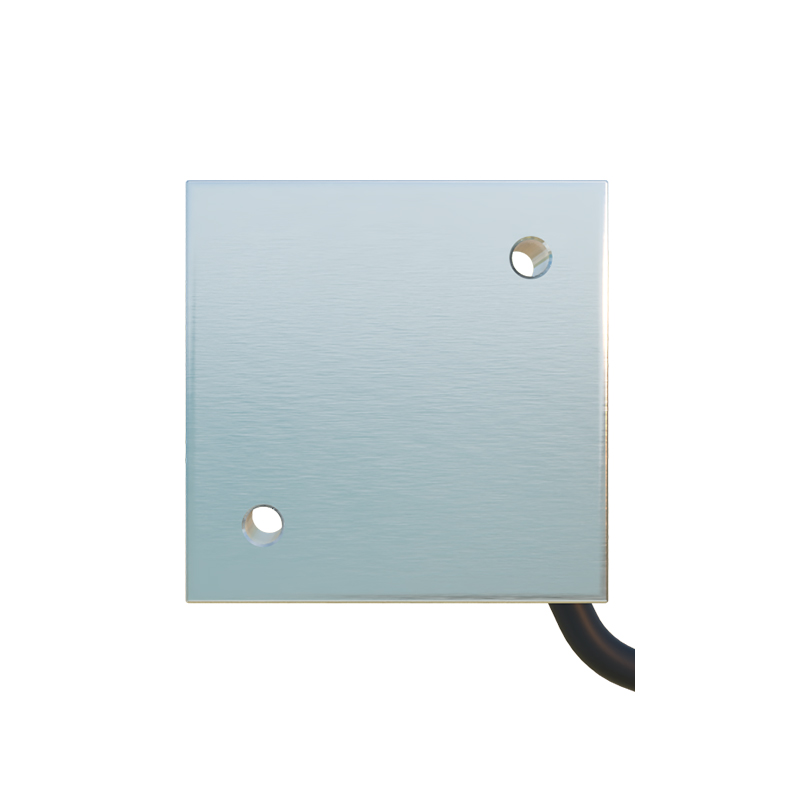
Several critical factors directly determine the final unit price of a photoelectric sensor. The core sensing technology—be it through-beam, retro-reflective, diffuse, or background suppression—forms the primary cost driver, with through-beam models typically being more economical per pair and advanced diffuse models carrying a higher price due to integrated logic and adjustment capabilities. Housing material, such as metal versus industrial-grade plastics, and the ingress protection (IP) rating (e.g., IP67, IP69K) significantly impact durability and cost. Furthermore, special features like built-in amplifiers, programmable logic functions (IO-Link compatibility), and enhanced sensing ranges or precision for specific applications (color detection, contrast sensing) add layers to the base price. The scale of order volume remains a paramount factor, with bulk purchases from large automation projects often attracting discounts of 20% or more from listed catalog prices.
Price Comparison: Domestic Brands vs. International Leaders
The price differential between established domestic Chinese brands and leading international manufacturers (e.g., Omron, Sick, Keyence, Banner) is pronounced and represents a key market characteristic. For a standard diffuse sensor with similar basic specifications, a reputable domestic brand might offer a unit price between $20 and $50. In contrast, an equivalent sensor from a top-tier international brand often ranges from $50 to $120 or higher. This gap is attributed to brand equity, perceived reliability in extreme conditions, global warranty and support networks, and often more rigorous quality control and certification processes. However, the performance gap for standard applications has narrowed considerably, making domestic sensors a compelling choice for cost-sensitive, high-volume applications where total cost of ownership is a major concern.
Impact of Raw Material and Supply Chain Fluctuations
The unit price of photoelectric sensors is not immune to global macroeconomic and supply chain trends. Fluctuations in the prices of key raw materials, such as semiconductors for integrated circuits, specific optical plastics, and copper for wiring, directly affect manufacturing costs. The recent global chip shortages and logistics bottlenecks have demonstrated this vulnerability, causing price adjustments and extended lead times across the industry, even for domestic producers. Chinese manufacturers, while benefiting from a localized supply chain, are still integrated into the global market for core electronic components. This interconnectedness means that while price stability is generally better than for imports, domestic sensor prices are still subject to periodic upward pressure from material cost hikes.
Future Price Trends and Market Outlook
The long-term trend for photoelectric sensor prices in China points towards continued downward pressure on standard models, coupled with potential premium pricing for next-generation intelligent sensors. As manufacturing automation and economies of scale improve further, the cost of producing reliable basic sensors will decrease. Simultaneously, the integration of Industrial IoT (IIoT) capabilities, such as advanced diagnostics, predictive maintenance data, and seamless connectivity via IO-Link or Ethernet, is creating a new value-added segment. Sensors in this intelligent category will command higher prices, shifting the competitive focus from pure unit cost to total value and data generation. The market is expected to bifurcate, with intense competition on price for standard devices and innovation-driven competition for smart sensor solutions.