Introduction to Microwave Photoelectric Sensing Technology
The convergence of microwave and photoelectric technologies has given rise to a sophisticated class of sensors known as microwave photoelectric sensors. These devices represent a significant leap in sensing capabilities, merging the long-range, penetration, and motion-sensing strengths of microwave radiation with the high precision, speed, and immunity to electromagnetic interference (EMI) inherent in photoelectric systems. At its core, this technology involves the use of microwave signals to probe an environment or detect objects, while photoelectric components, such as lasers, photodiodes, and optical fibers, are employed for signal generation, modulation, transmission, and detection. This hybrid approach overcomes many limitations of standalone microwave or optical sensors, enabling applications in environments where traditional sensors fail, such as in harsh industrial settings with high levels of dust, smoke, or electrical noise.
Fundamental Operating Principles
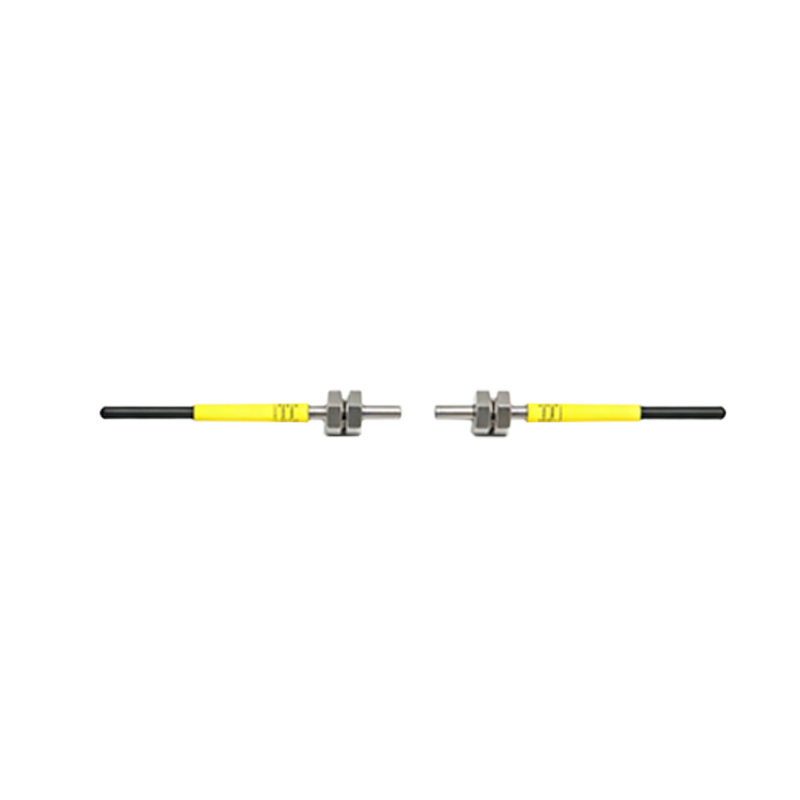
The operational principle of a microwave photoelectric sensor can be broken down into several key stages. First, a stable microwave signal is generated, typically in the GHz range. This microwave signal is then used to modulate a continuous-wave laser beam. This modulation process, often achieved through electro-optic modulators, impresses the microwave signal onto the optical carrier's phase, frequency, or amplitude. The modulated optical signal is then transmitted, frequently through an optical fiber, to a remote sensing head. At the sensing point, the optical signal is converted back into an electrical microwave signal via a high-speed photodetector. This recovered microwave signal interacts with the target—be it a moving object, a liquid level, or a material boundary. Any change in the target's properties (distance, velocity, dielectric constant) alters the microwave signal's parameters (phase shift, Doppler frequency, attenuation). The reflected or altered signal is then often re-modulated onto an optical carrier and sent back for processing. The final stage involves sophisticated signal processing to extract the precise measurement data from the received microwave-optical signal, filtering out noise and environmental interference.
Key Advantages Over Conventional Sensors
Microwave photoelectric sensors offer a compelling set of advantages that make them ideal for demanding industrial applications. Their most notable benefit is exceptional immunity to electromagnetic interference. By using optical fibers for signal transmission, the sensitive electronic components can be located far from electrically noisy industrial machinery, ensuring signal integrity. They also provide remarkable long-range and non-contact sensing capabilities, capable of detecting objects or measuring distances from several meters away without physical contact, which is crucial for monitoring hazardous or inaccessible areas. Furthermore, these sensors exhibit high sensitivity and precision, capable of detecting minute movements or subtle changes in material properties. Their ability to penetrate non-metallic materials like plastics, cardboard, and certain composites allows for sensing through obstructions, a feature not available to standard photoelectric sensors. Finally, their robustness in harsh environments—resisting dust, moisture, vibration, and extreme temperatures—ensures reliable operation in settings from manufacturing floors to outdoor installations.
Primary Industrial Applications
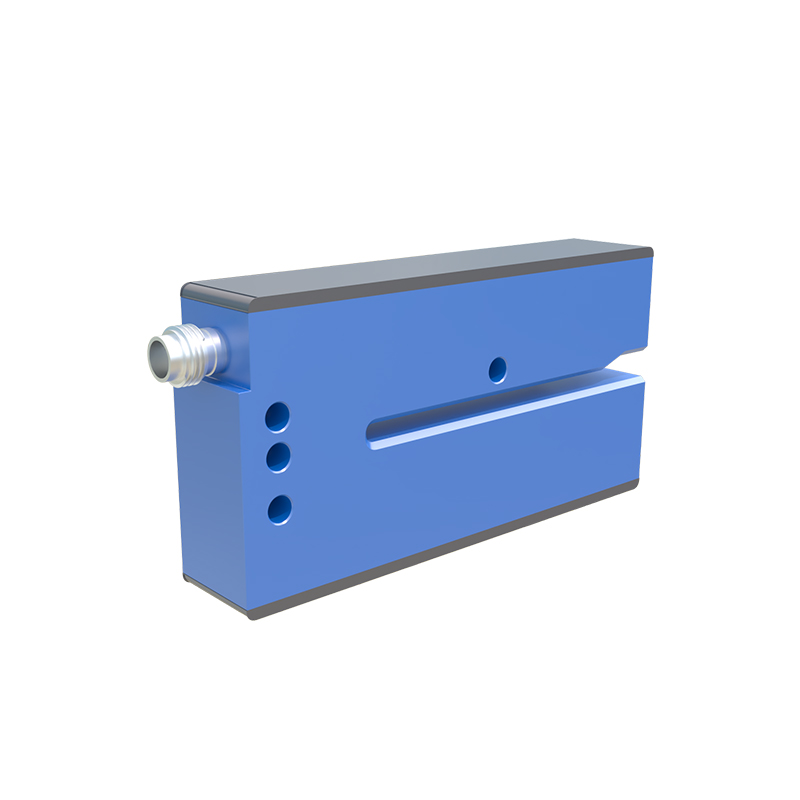
The unique capabilities of microwave photoelectric sensors have led to their adoption across a wide spectrum of industries. In industrial automation and manufacturing, they are deployed for precise object detection on high-speed conveyor belts, fill-level monitoring in opaque containers, and vibration analysis of rotating machinery. The security and surveillance sector utilizes them for perimeter intrusion detection, where their ability to cover long ranges and penetrate light foliage is invaluable. In the transportation sector, they are used for vehicle detection at toll booths, traffic flow monitoring, and collision avoidance systems. Process industries, such as chemical and pharmaceutical, employ these sensors for non-contact level sensing of liquids and granular materials in silos and tanks. Additionally, they are finding use in structural health monitoring, where they can detect subtle deformations or cracks in bridges and buildings by measuring minute distance changes over time.
Design Considerations and Implementation Challenges
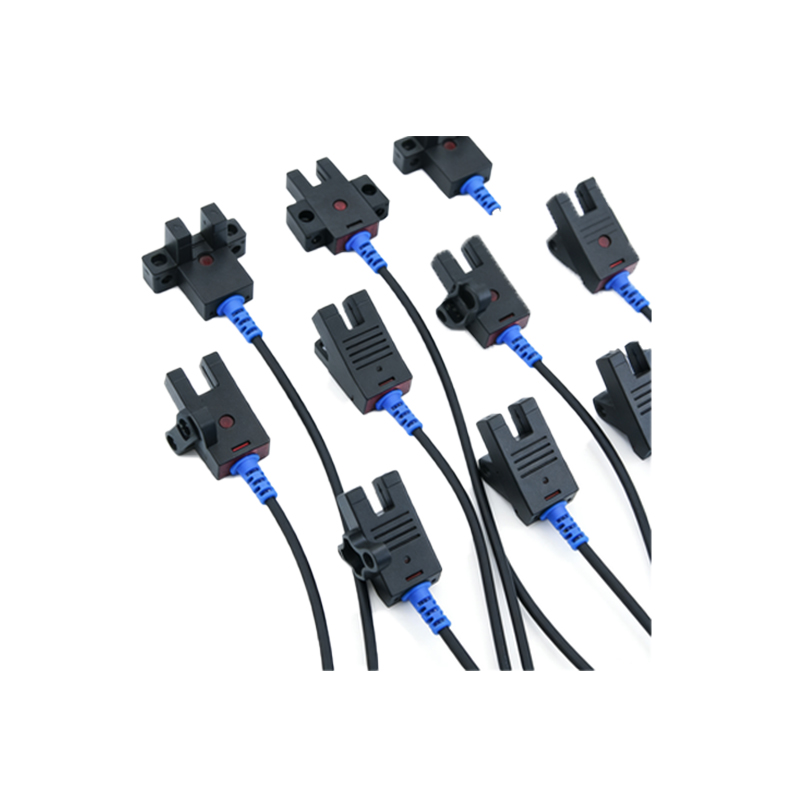
Implementing microwave photoelectric sensor systems requires careful consideration of several technical factors. System design must account for the choice of microwave frequency, which trades off between resolution and penetration depth. Optical component selection, including laser wavelength and photodetector bandwidth, is critical for achieving the desired modulation efficiency and signal-to-noise ratio. The design of the antenna or sensing probe at the remote head must be optimized for the specific application. Key challenges include managing system complexity and cost, as these sensors are generally more sophisticated than their single-technology counterparts. Ensuring long-term stability of both the microwave source and the laser under varying environmental conditions is another significant hurdle. Furthermore, sophisticated signal processing algorithms are required to accurately interpret the data and distinguish the target signal from background clutter and multipath interference, which occurs when signals reflect off multiple surfaces before returning to the sensor.
Future Trends and Technological Evolution
The future of microwave photoelectric sensing is closely tied to advancements in several adjacent fields. The ongoing development of integrated photonics promises to shrink these systems onto compact, low-power chips, dramatically reducing their size, cost, and energy consumption. The integration of Artificial Intelligence and machine learning for advanced signal processing will enable smarter sensors capable of pattern recognition, predictive diagnostics, and adaptive operation. Furthermore, the exploration of higher frequency bands, such as millimeter-waves and terahertz waves, combined with photonic generation techniques, will unlock new applications in high-resolution imaging and material characterization. The trend towards the Industrial Internet of Things (IIoT) will also drive demand for intelligent, networked sensors that can provide rich, real-time data to cloud platforms for centralized monitoring and analytics, positioning microwave photoelectric sensors as key enablers for smart factories and infrastructure.