Introduction to Slot Type Photoelectric Sensors
Slot type photoelectric sensors, also known as through-beam sensors with a built-in gap, represent a fundamental and widely utilized category in industrial automation. Unlike separate emitter and receiver units, these sensors integrate both components into a single U-shaped or forked housing, creating a precise detection slot. The operational principle is elegantly simple: an infrared or visible light beam is transmitted from one side of the slot (the emitter) directly across the gap to the opposing side (the receiver). An object is detected when it physically interrupts this light beam as it passes through the slot. This design offers inherent advantages in alignment and installation, as the optical path is factory-set and protected within the sensor body. The profile, or the physical form factor and material of the sensor housing, is a critical engineering consideration that directly impacts performance, durability, and application suitability.
Key Materials and Manufacturing of Sensor Profiles
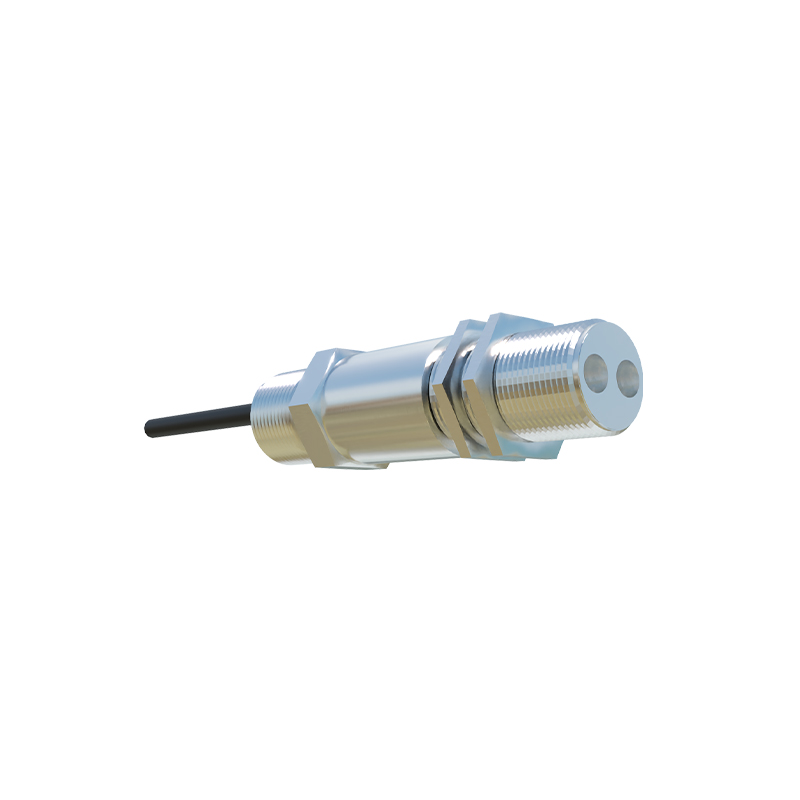
The choice of material for the sensor profile is paramount, dictating its mechanical strength, environmental resistance, and longevity. The most common materials are engineering plastics and metals. High-grade plastics like polycarbonate (PC), polybutylene terephthalate (PBT), and acrylonitrile butadiene styrene (ABS) are favored for their excellent electrical insulation, corrosion resistance, and cost-effectiveness. They are typically used in standard industrial environments. For more demanding applications involving extreme temperatures, heavy physical impact, or exposure to chemicals and cutting fluids, metal profiles are essential. Stainless steel, particularly grades like SUS304 or SUS316, offers superior robustness, heat resistance, and protection against corrosive agents. Aluminum alloys are another option, providing a good balance of strength and lightweight properties, often used with anodized coatings for added surface hardness and corrosion protection. The manufacturing process involves precision extrusion or machining to create the consistent slot geometry crucial for reliable beam transmission.
Optical System and Slot Geometry Design
The internal design of the profile is engineered to optimize the optical system. The slot's width, depth, and the alignment of the emitter and receiver lenses are meticulously calculated. The slot must be wide enough to accommodate the intended objects but narrow enough to ensure a strong, focused beam with minimal divergence. The depth of the slot affects the sensor's ability to detect very thin objects and provides some protection against ambient light interference. Engineers must also consider the beam characteristics; a focused beam allows for detecting very small objects, while a more diffuse beam can be beneficial for detecting translucent or irregularly shaped items. The profile often incorporates internal baffles, light tunnels, or specialized lens housings to collimate the light beam, shield the receivers from stray light, and enhance signal integrity. This precise optical engineering within the constrained profile is what enables high-precision detection tasks.
Environmental Protection and Sealing Standards
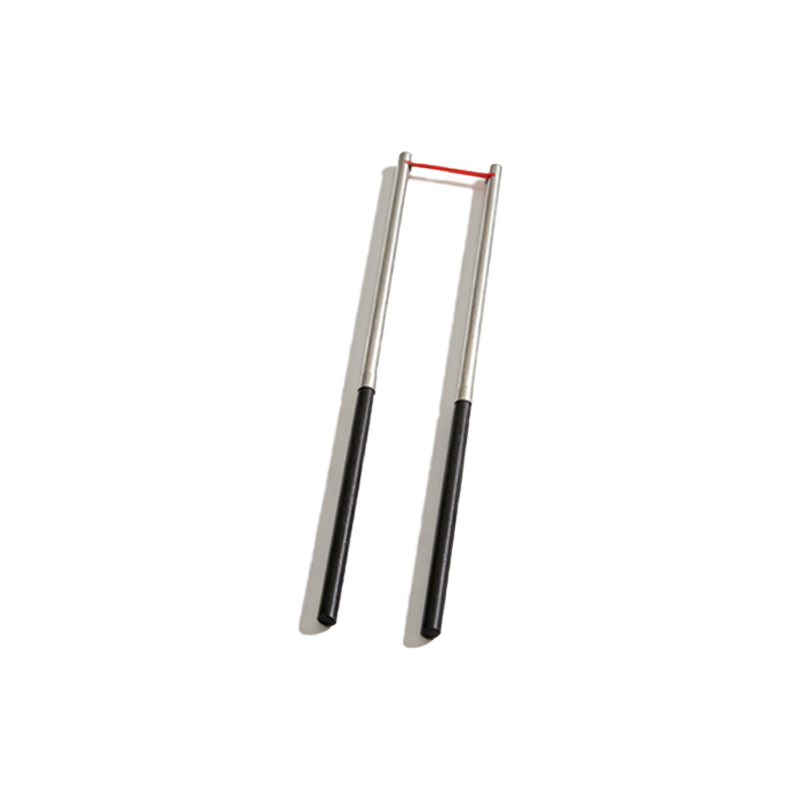
Industrial environments are harsh, exposing sensors to dust, water, oils, and vibration. The sensor profile is the first line of defense. Achieving high Ingress Protection (IP) ratings, such as IP67 or IP69K, is a primary design goal. This involves sophisticated sealing techniques at the critical junctures of the profile. The slot itself presents a unique challenge, as it is an open pathway into the sensor's interior. Designs often employ protective windows made of scratch-resistant glass or sapphire that are hermetically sealed over the optical elements, keeping contaminants out while allowing light transmission. The housing seams and cable entry points are sealed with gaskets, O-rings, or potting compounds. Metal profiles may use welded seams for a completely hermetic seal. These protections ensure reliable operation in washdown environments, outdoor settings, and dirty manufacturing floors, making the physical integrity of the profile as important as its electronic components.
Mounting and Integration Considerations
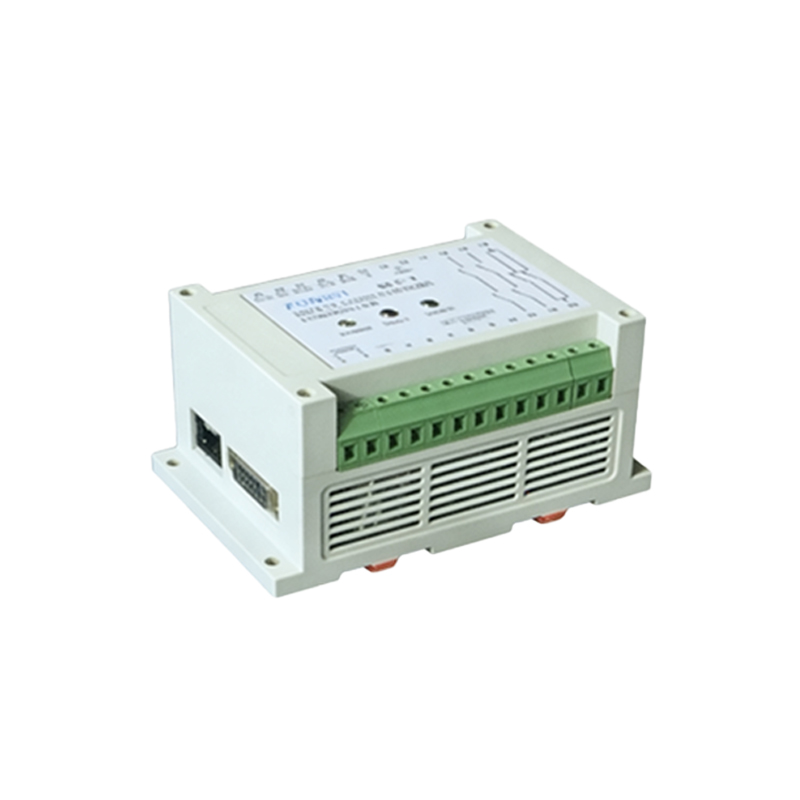
The external design of the profile facilitates easy and secure integration into machinery. Standardized dimensions and mounting features are crucial. Many profiles include pre-drilled and tapped holes for M3, M4, or M5 screws, along with smooth reference surfaces to ensure perpendicular and stable mounting. Some designs feature grooves for slide-in mounting brackets or snap-in fittings for rapid installation. The profile's shape must also allow for adequate clearance for the target object and the connecting cable. Engineers must evaluate the sensor's profile against spatial constraints, potential mechanical interference, and the need for adjustability. Furthermore, the cable outlet orientation (axial or radial) and strain relief are integral parts of the profile design, affecting how the sensor is routed and protected within a control cabinet or moving machine part.
Application-Specific Profile Variations
The versatility of slot sensors leads to specialized profile designs for niche applications. High-speed detection in packaging or semiconductor handling requires ultra-compact profiles with minimal slot depth to reduce object passing time. For edge detection in web guiding or textile applications, profiles may have a knife-edge design to allow material to run very close to the sensor body. In the food and beverage or pharmaceutical industries, profiles are made from FDA-compliant materials like specific stainless steels or plastics, often featuring smooth, crevice-free surfaces for easy cleaning. High-temperature versions for furnace or welding line applications use profiles made entirely of ceramics or high-temperature metals with specialized high-temperature lenses and seals. Understanding these variations allows engineers to select the perfect sensor profile for the specific mechanical, environmental, and regulatory demands of their application.
Selection Criteria and Best Practices
Selecting the correct slot sensor profile involves a systematic evaluation. First, define the object characteristics: size, material (opaque, translucent), and speed. This determines the required slot dimensions and beam type. Second, assess the operating environment: temperature range, presence of dust, moisture, oils, or chemicals. This dictates the material choice and necessary IP rating. Third, consider mechanical requirements: available space, mounting method, and potential for physical impact or vibration. Fourth, evaluate any industry-specific regulations, such as food-grade or washdown compliance. A best practice is to always consult the manufacturer's datasheet for detailed specifications on profile material, slot tolerances, temperature ratings, and sealing standards. Prototyping and testing in the actual application environment, when possible, can prevent costly mismatches and ensure long-term, reliable sensor performance.