Introduction to Photoelectric Sensing Technology
Photoelectric sensors are fundamental components in modern industrial automation, providing non-contact detection of objects, positions, and distances. Operating on the principle of light transmission and reception, these devices offer high reliability, fast response times, and versatility across countless applications. Unlike mechanical limit switches, photoelectric sensors eliminate physical wear and tear, leading to increased system longevity and reduced maintenance. The core technology involves an emitter, which projects a light beam—often infrared, visible red, or laser—and a receiver that detects changes in the received light signal. These changes, caused by the presence, absence, or characteristics of a target object, are converted into an electrical output signal to control machinery or provide data to a control system. The IME12 series represents a specific and robust implementation of this technology, designed to meet the rigorous demands of industrial environments.
Detailed Specifications of the IME12 Series
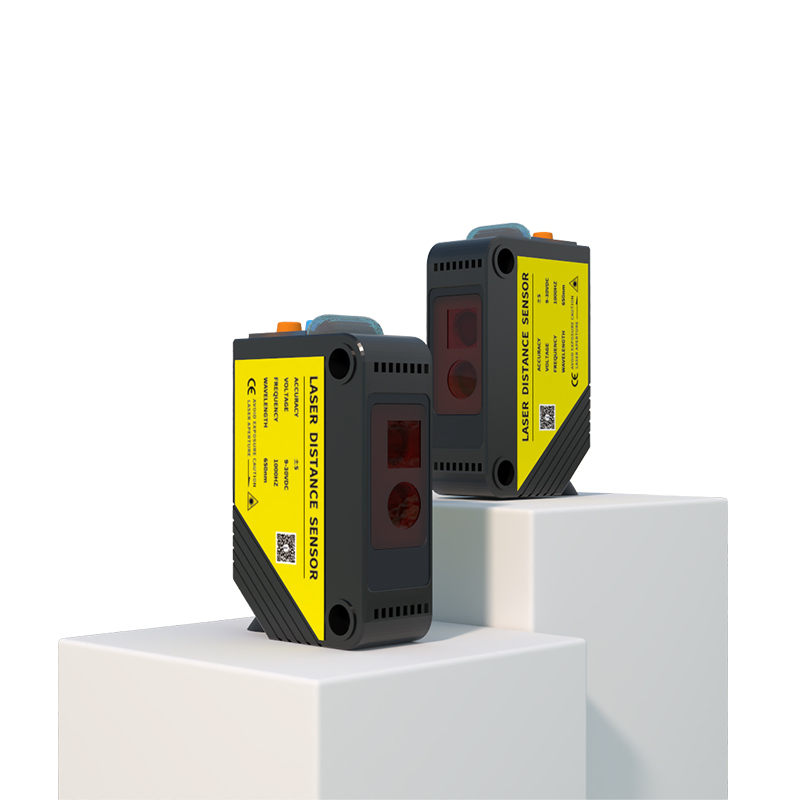
The IME12 photoelectric sensor is a compact, cylindrical sensor known for its durability and precise performance. Typically featuring an M12 housing, it is designed for easy integration into standardized mounting systems. Key electrical specifications include a operating voltage range, commonly 10-30V DC, making it compatible with standard industrial control voltages. The output configuration is typically a PNP or NPN transistor switch, providing a clear digital signal for presence detection. Its sensing range varies by model; diffuse reflective types may offer a range up to 300mm, while through-beam variants can detect objects over several meters. The response time is exceptionally fast, often in the microsecond range, ensuring no lag in high-speed production lines. The housing is usually constructed from nickel-plated brass or stainless steel, with a degree of protection rated at IP67, indicating complete protection against dust and temporary immersion in water. This rugged construction ensures reliable operation in challenging conditions involving coolants, oils, and metal chips.
Operating Modes and Sensing Principles
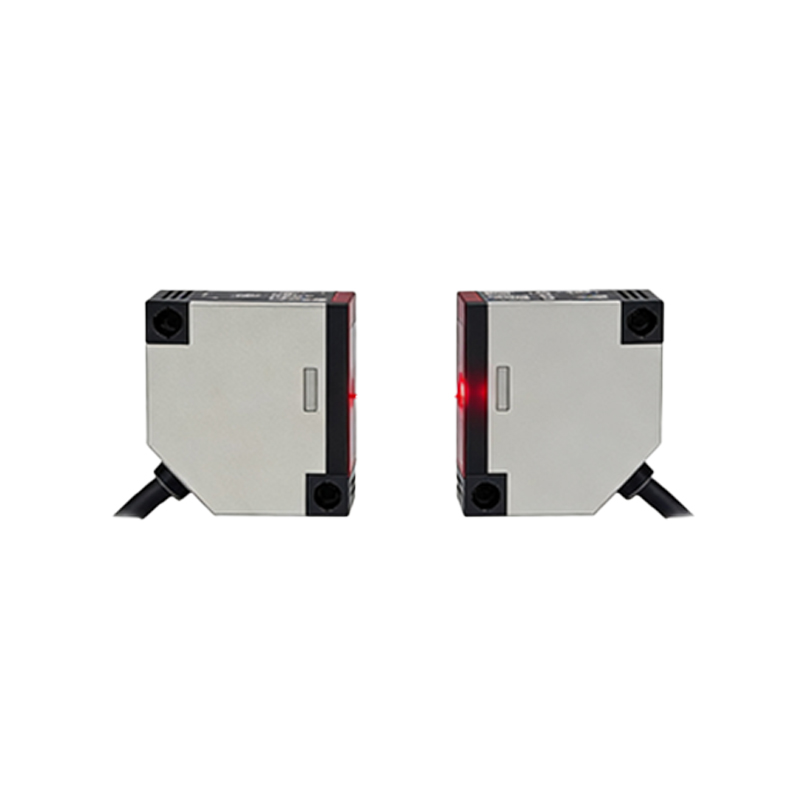
The IME12 sensor is available in several fundamental operating modes, each suited for different application challenges. The through-beam mode, also known as opposed mode, consists of separate emitter and receiver units. Detection occurs when an object breaks the light beam between them. This mode offers the longest sensing range and highest reliability, as it is largely unaffected by the object's color, reflectivity, or surface finish. The retro-reflective mode uses a single unit containing both emitter and receiver, along with a specialized reflector. The sensor detects an object when it interrupts the beam reflected back from the reflector. This mode provides a good balance of range and convenience. Finally, the diffuse reflective mode, or proximity mode, also uses a single unit. It detects an object by measuring the light reflected directly off the target's surface. While more susceptible to color and finish variations, it is the simplest to install as it requires no separate component.
Key Features and Technological Advantages
Several features distinguish the IME12 in a crowded marketplace. Many models incorporate a red or blue LED light source, which provides a highly visible beam for precise alignment during setup, a critical factor for ensuring optimal performance. Advanced models include background suppression technology, which allows the sensor to ignore objects beyond a set distance, effectively creating a precise sensing window. This is invaluable for detecting objects on a conveyor belt while ignoring the belt itself or more distant machinery. Another significant feature is the built-in teach-in function, often activated by a button or via a remote input. This allows for quick and easy adjustment of the sensing parameters on-site without the need for complex programming tools. The robust electrical design typically includes short-circuit and reverse polarity protection, safeguarding both the sensor and the connected control system from wiring errors.
Typical Industrial Application Scenarios
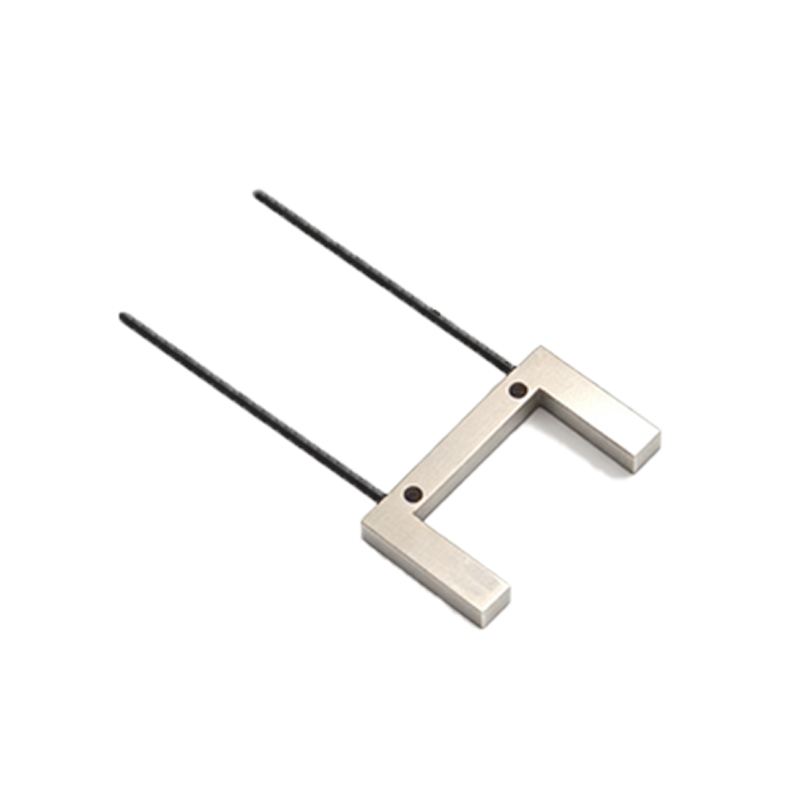
The versatility of the IME12 sensor makes it a workhorse in numerous industries. In packaging machinery, it is used for detecting the presence of boxes, bottles, or labels, ensuring proper filling and sealing sequences. On assembly lines, it verifies the presence of components before a robotic arm performs an operation, preventing errors and damage. Within material handling systems, these sensors count objects on conveyors, control sorting gates, and detect jams. In the automotive sector, they monitor part positioning in welding and painting robots. A specific example is using a diffuse reflective IME12 with background suppression to detect transparent plastic bottles, a task challenging for standard sensors. The sensor can be tuned to ignore the conveyor and reliably detect the low-reflectivity plastic. Its compact M12 size allows for installation in tight spaces where larger sensors would not fit.
Installation, Alignment, and Maintenance Best Practices
Correct installation is paramount for reliable sensor operation. The sensor should be mounted securely using the appropriate locknut, ensuring it is not subjected to excessive vibration. For through-beam and retro-reflective types, precise alignment between the emitter, receiver, and/or reflector is essential. The visible alignment beam or LED status indicators are crucial tools for this process. The sensor should be positioned to avoid optical interference from highly reflective backgrounds, direct sunlight, or other light sources, which can cause false triggering. Regular maintenance involves keeping the lens clean from dust, oil, and debris using a soft cloth. Periodically checking the mounting stability and the integrity of the electrical connections will prevent downtime. Most IME12 sensors feature a diagnostic LED that indicates power status and output switching, providing immediate visual feedback for troubleshooting.
Troubleshooting Common Issues
Even with robust design, issues can arise. A frequent problem is the sensor failing to detect an object. This can be caused by misalignment, a dirty lens, an object outside the specified sensing range, or an unsuitable surface (e.g., black, absorbent material for a diffuse sensor). Checking alignment and cleaning the lens are the first steps. If the sensor triggers erratically or without an object present, potential causes include optical interference from external light, electrical noise on the supply lines, or vibration. Shielding the sensor from ambient light, ensuring proper grounding, and using shielded cables can resolve these issues. If the output LED is on but no signal reaches the PLC, the wiring should be verified for correct connections to the load (sink vs. source wiring) and the load's compatibility with the sensor's current rating. Consulting the manufacturer's datasheet for specific error codes or LED blink patterns is always recommended.
Conclusion and Selection Guidance
The IME12 photoelectric sensor is a reliable, compact, and feature-rich solution for a vast array of industrial sensing tasks. Its standardized form factor, rugged construction, and advanced functionalities like background suppression make it a preferred choice for engineers. When selecting an IME12 model, key considerations include the required sensing range, the operating mode (through-beam, retro-reflective, diffuse), the specific features needed (e.g., teach-in, background suppression), the environmental conditions (IP rating, temperature range), and the electrical interface (PNP/NPN, cable or connector type). By carefully matching these parameters to the application's demands, engineers can ensure optimal performance, enhance system reliability, and contribute to efficient and safe automated processes.