Introduction to Slot Type Photoelectric Sensors
Slot type photoelectric sensors, also known as through-beam sensors, consist of an emitter and a receiver aligned within a single U-shaped housing. The emitter projects a light beam across the slot to the receiver. When an object passes through the slot, it interrupts this beam, triggering a change in the sensor's output state. This design makes them highly effective for detecting the presence, absence, or position of objects in automation, packaging, and material handling applications. Their key advantage is precise detection without physical contact, ensuring longevity and reliability in industrial environments.
The Fundamental Concept: Normally Open (NO) and Normally Closed (NC)
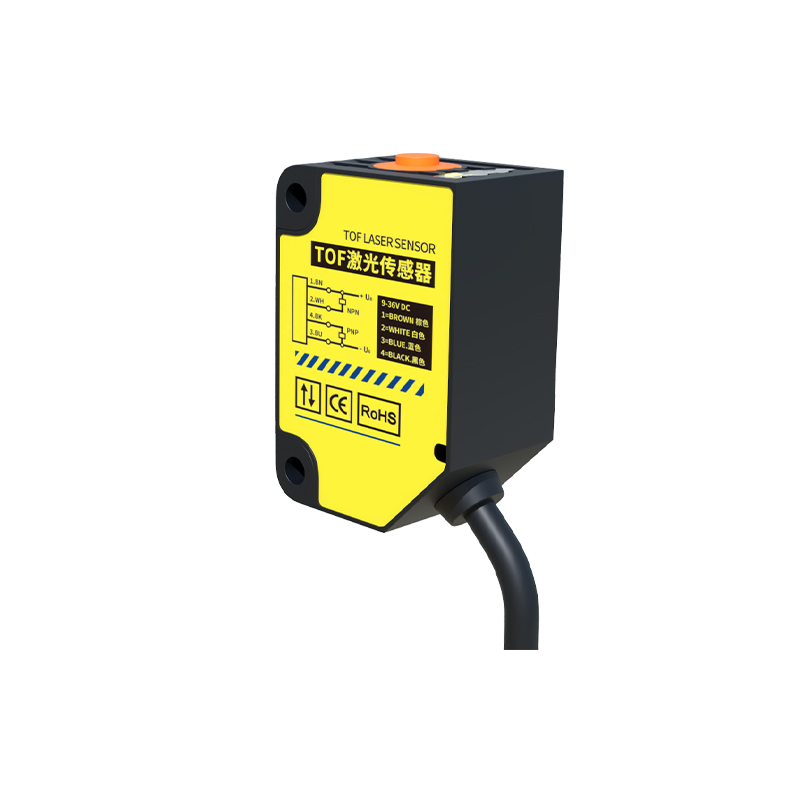
In sensor terminology, "normal" refers to the state of the output circuit when no object is present to activate the sensor (i.e., the light beam is uninterrupted). A Normally Open (NO) output is inactive or "open" in this normal state, meaning no electrical current flows through the output circuit. It only becomes active or "closed" (allowing current flow) when an object interrupts the beam. Conversely, a Normally Closed (NC) output is active or "closed" in the normal state, allowing current to flow. It switches to an inactive or "open" state (stopping current flow) when an object interrupts the beam. This binary logic is foundational for integrating sensors into control systems.
Electrical Circuit Behavior and Output Types
The output of a slot photoelectric sensor typically controls a load, such as a PLC input, relay, or indicator. For an NO configuration, the output acts like a switch that is off until activated. In a standard DC sensor, the output transistor is non-conducting in the normal state. Upon beam interruption, it becomes conducting. For an NC configuration, the opposite occurs: the output transistor is normally conducting and turns off upon activation. Many modern sensors offer a selectable or programmable output, allowing users to configure the same physical device as either NO or NC based on application needs, providing significant flexibility.
Application Scenarios for Normally Open Outputs
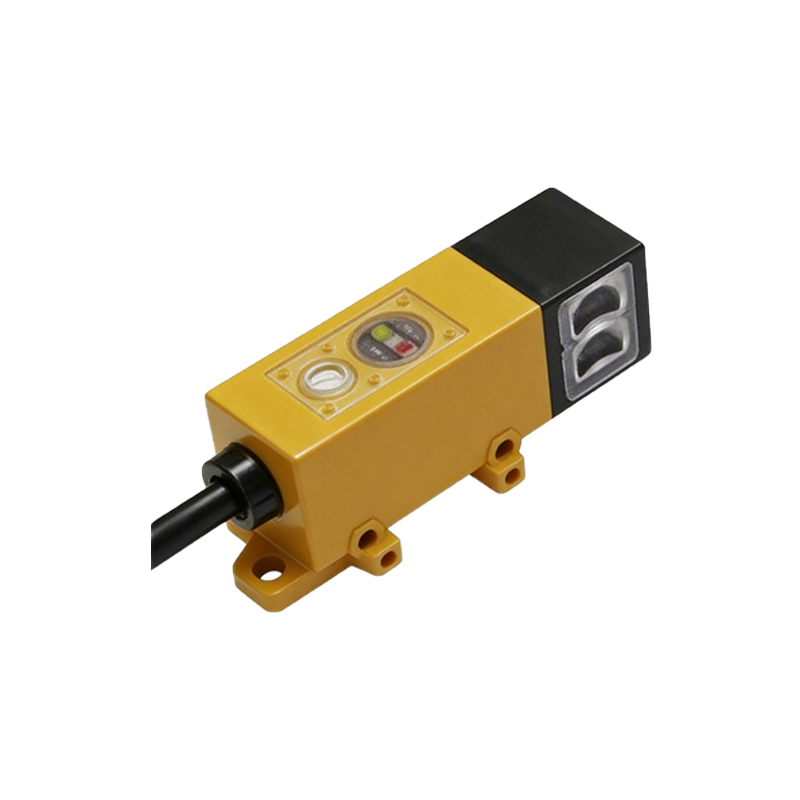
Normally Open outputs are commonly used in applications requiring an active signal only upon detection. A classic example is a counting system on a conveyor belt. Each time an object passes through the sensor slot, the output closes momentarily, sending a pulse to a counter. Another use is in initiating an action, such as starting a timer, activating a solenoid, or triggering a robotic pick-and-place cycle only when a part is confirmed present. NO logic is intuitive for "start on detection" sequences and is frequently the default choice for simple presence detection.
Application Scenarios for Normally Closed Outputs
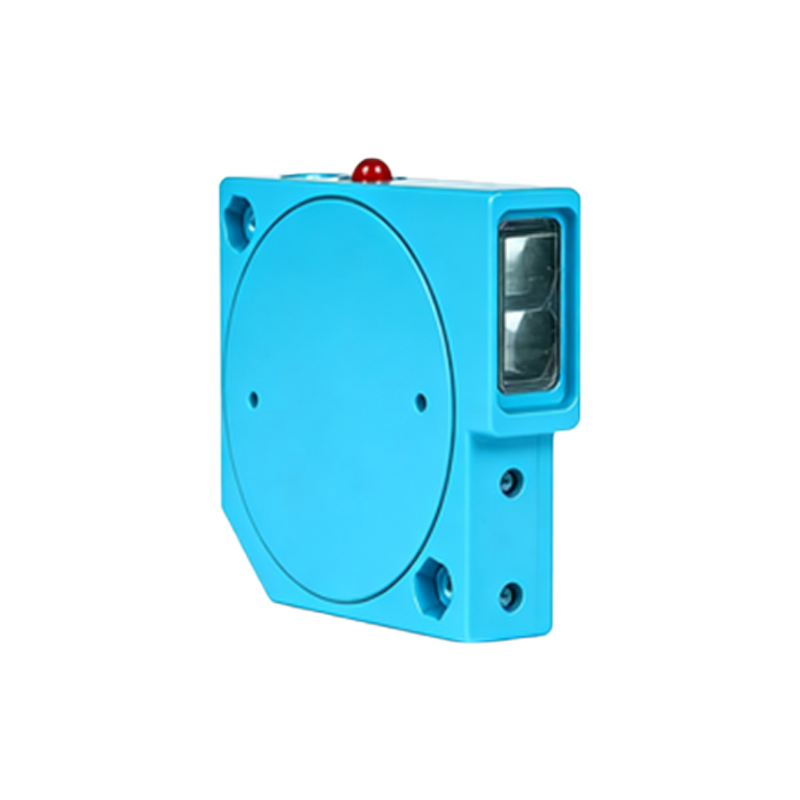
Normally Closed outputs are crucial for safety-oriented and monitoring functions. They are often employed in safety interlock systems or process monitoring where a continuous signal indicates normal operation. If the beam is interrupted (e.g., by a fault, jam, or unauthorized access), the output opens, breaking the circuit. This can immediately halt machinery (e.g., in a guard door) or trigger an alarm. NC configurations provide a "fail-safe" design: a wire break or power loss to the sensor often results in an open circuit, mimicking the detection state and thereby initiating a safe shutdown.
Wiring and Integration with Control Systems
Correct wiring is essential. A typical three-wire DC sensor has wires for power supply positive, common negative, and the output signal. Whether this output wire provides voltage (sourcing, PNP) or sinks to ground (sinking, NPN) works in conjunction with the NO/NC mode. When connecting to a Programmable Logic Controller (PLC), an NO sensor will energize the PLC input only when an object is detected. An NC sensor will keep the PLC input energized normally and de-energize it upon detection. The choice affects ladder logic programming; an NC physical input might be programmed using a normally closed instruction for logical consistency.
Selecting Between NO and NC for Optimal Performance
The selection depends on the desired control logic and safety requirements. Ask: Should the controlled action occur when the beam is blocked? Choose NO. Should the action stop or an alarm activate when the beam is blocked? Choose NC. Consider system behavior in failure modes. For critical processes where an undetected object could cause damage, an NC configuration might be safer, as a sensor failure often defaults to an open circuit. Review the specifications of the downstream equipment (e.g., PLC, relay modules) to ensure electrical compatibility with the chosen output type and mode.
Conclusion and Best Practices
Understanding the distinction between Normally Open and Normally Closed operation is critical for the effective deployment of slot type photoelectric sensors. Always consult the sensor's datasheet for its specific output configuration options. Clearly document the chosen mode in system diagrams. During commissioning, verify the output behavior with a multimeter or indicator before full integration. By matching the NO/NC function to the application's logical and safety needs, engineers can build more robust, reliable, and efficient automated systems.