Introduction to Photoelectric Sensor Sealants
In the demanding environments of modern industrial automation, photoelectric sensors are indispensable for tasks ranging from object detection and positioning to counting and quality control. These sensors rely on light beams to function, making their optical components and internal electronics exceptionally vulnerable to external contaminants. This is where specialized photoelectric sensor sealants become critical. A sealant is not merely a passive filler; it is an engineered material designed to create a robust, long-lasting barrier that protects the sensor's sensitive interior from moisture, dust, chemicals, and mechanical stress. The selection and application of the correct sealant directly influence the sensor's operational reliability, accuracy, and service life, impacting overall system uptime and maintenance costs.
Key Performance Requirements for Sensor Sealants
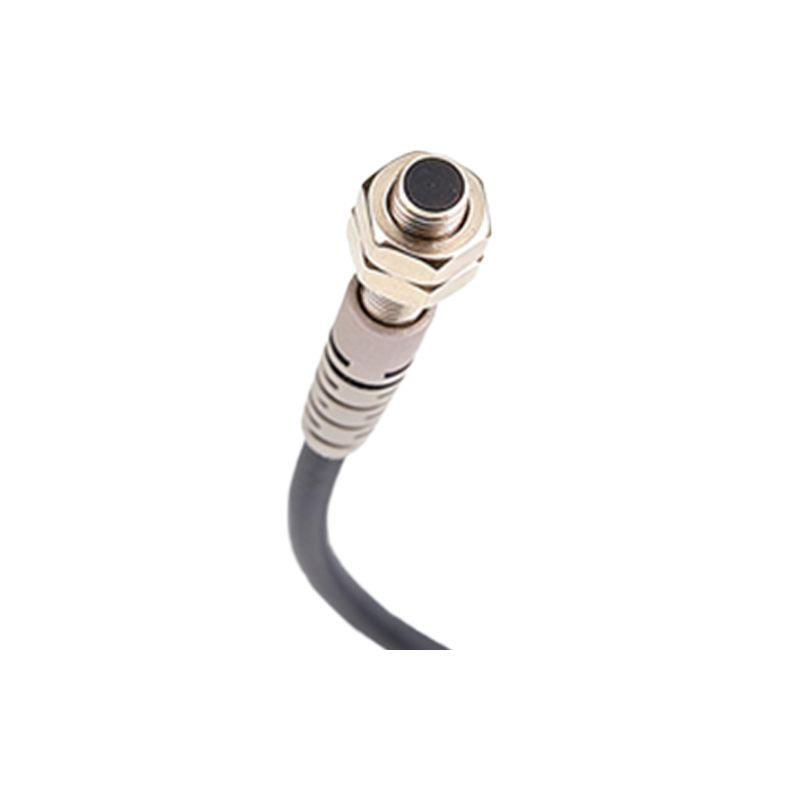
An effective photoelectric sensor sealant must meet a stringent set of performance criteria. First and foremost is environmental resistance. The sealant must provide an impermeable seal against water and humidity (often requiring an IP67 or IP69K rating), prevent ingress of fine dust and particulates, and resist degradation from oils, solvents, and cleaning agents commonly found in industrial settings. Secondly, optical clarity is paramount for sensors with exposed lenses or optical paths. The sealant must be transparent and maintain its clarity without yellowing or hazing over time and under exposure to UV light. Thirdly, the material must exhibit excellent adhesion to various substrates, including plastics (like polycarbonate or ABS), metals, and glass, ensuring the seal remains intact under thermal cycling and vibration.
Material Types and Their Properties
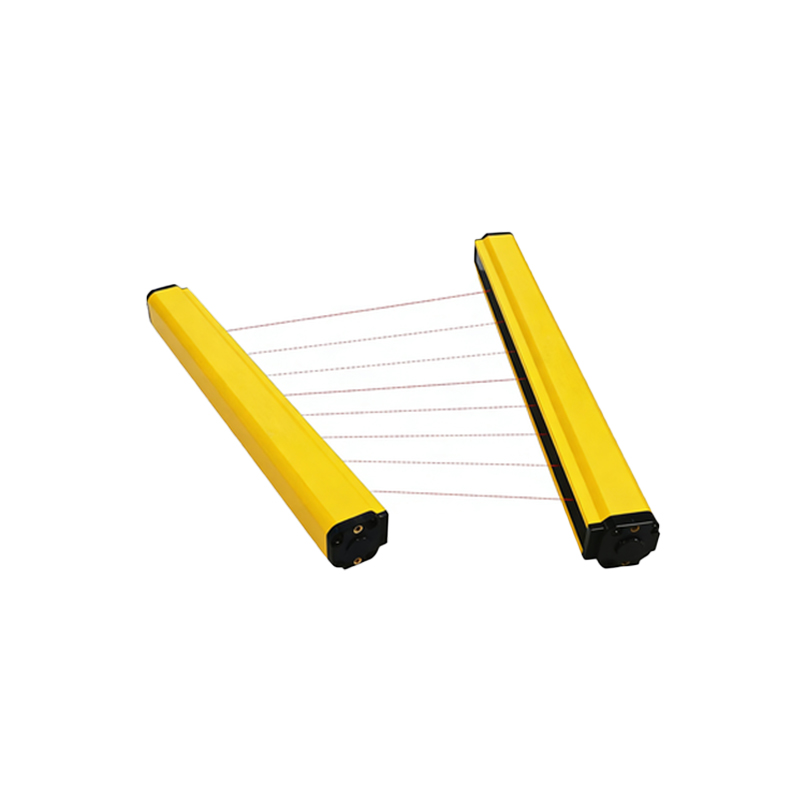
Several classes of materials are used as photoelectric sensor sealants, each with distinct advantages. Silicone-based sealants are widely favored for their exceptional flexibility across a broad temperature range (-50°C to 200°C), superb moisture resistance, and long-term stability. They are ideal for applications subject to thermal expansion and contraction. Epoxy resins offer superior mechanical strength, hardness, and chemical resistance, forming a rigid, protective shell. They are often used for potting entire sensor assemblies. Polyurethane sealants provide a balance of flexibility and toughness, with good resistance to abrasion and tearing. Acrylic-based formulations are valued for fast curing times and good adhesion without extensive surface preparation. The choice depends on the specific sensor design, housing material, and the primary environmental threats it will face.
Application Techniques and Best Practices

Proper application is as crucial as material selection. The process typically involves precise dispensing—using automated equipment for high-volume manufacturing or manual syringes for repair and low-volume work. Surfaces must be meticulously cleaned and, if necessary, primed to ensure optimal adhesion. The sealant must be applied in a controlled manner to avoid air bubbles, which can compromise the seal and optical properties. For optical elements, careful dispensing around the lens perimeter or selective potting is necessary to avoid obscuring the light path. Curing conditions—whether room temperature, heat-assisted, or moisture-cured—must be strictly followed as per the manufacturer's specifications to achieve the full set of material properties.
Challenges in Sealing Modern Sensor Designs
Advancements in sensor technology present new sealing challenges. The trend towards miniaturization means sealants must perform in tighter spaces without exerting stress on delicate components. The integration of sensitive communication interfaces and the use of low-power electronics demand sealants with very low ionic content to prevent corrosion and electrochemical migration. Furthermore, sensors deployed in outdoor or food-processing applications require sealants that withstand prolonged UV exposure and are compliant with food-grade regulations (e.g., FDA, NSF). Addressing these challenges requires close collaboration between sensor designers and sealant chemists from the early stages of product development.
Testing and Quality Assurance
Rigorous testing validates the performance of a sealed photoelectric sensor. Standardized tests include immersion tests, salt spray (fog) testing for corrosion resistance, thermal shock cycling, and vibration testing. For optical sensors, light transmission tests before and after environmental stress are essential. Long-term reliability is assessed through accelerated life testing, which simulates years of service in a condensed timeframe. These tests ensure the sealant will maintain its integrity and protective qualities throughout the sensor's intended lifespan, providing engineers and end-users with confidence in the product's durability.
Conclusion and Future Outlook
The role of sealants in photoelectric sensors is a critical, though often overlooked, aspect of industrial sensor reliability. As sensors become more sophisticated and are deployed in increasingly harsh and diverse environments—from deep-freeze logistics to high-temperature manufacturing lines—the evolution of sealant technology will keep pace. Future developments may include smarter, self-healing sealants, nano-enhanced materials for better barrier properties, and formulations with enhanced thermal conductivity for better heat dissipation. Ultimately, the continuous innovation in photoelectric sensor sealants will remain a fundamental enabler for the robustness and longevity of automation systems worldwide.