Introduction to PPG Photoelectric Sensors
PPG (Photoplethysmography) photoelectric sensors are critical components in modern industrial automation and medical monitoring systems. These sensors operate by emitting light, typically from an LED, into a material or biological tissue and measuring the intensity of light that is either transmitted or reflected back to a photodetector. The resulting PPG sensor image, often visualized as a waveform or data plot, represents dynamic changes in light absorption, which correlate with physical properties such as blood volume variations in medical contexts or material characteristics in industrial settings. In industrial applications, PPG sensors are employed for tasks like object detection, quality control, and process monitoring, where precise, non-contact measurement is essential. The images generated provide real-time insights into operational parameters, enabling automated systems to make immediate adjustments. Understanding these images requires knowledge of the sensor's operating principles, including light source wavelength, detection methodology, and environmental factors that influence signal integrity.
Key Components and Imaging Mechanism
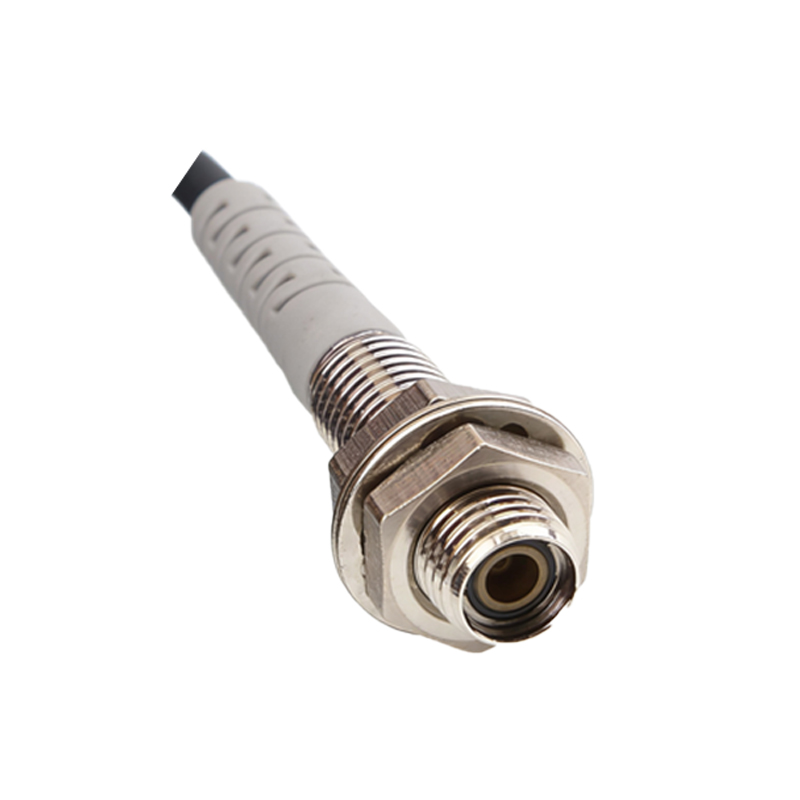
A typical PPG photoelectric sensor consists of a light emitter, a photodetector, and signal processing circuitry. The emitter, usually an infrared or visible-light LED, projects light onto the target. The photodetector, such as a photodiode or phototransistor, captures the reflected or transmitted light, converting it into an electrical signal. This signal is then amplified and filtered to produce a PPG image, which is often displayed as a graph of light intensity versus time. In industrial scenarios, these images can reveal details about surface texture, color, transparency, or movement. For example, in conveyor belt systems, PPG sensors detect the presence or absence of objects by analyzing changes in reflected light patterns, with images showing sharp peaks or drops corresponding to object transitions. The quality of the image depends on factors like sensor alignment, ambient light interference, and target material properties, necessitating careful calibration for accurate interpretation.
Interpreting PPG Sensor Images in Industry
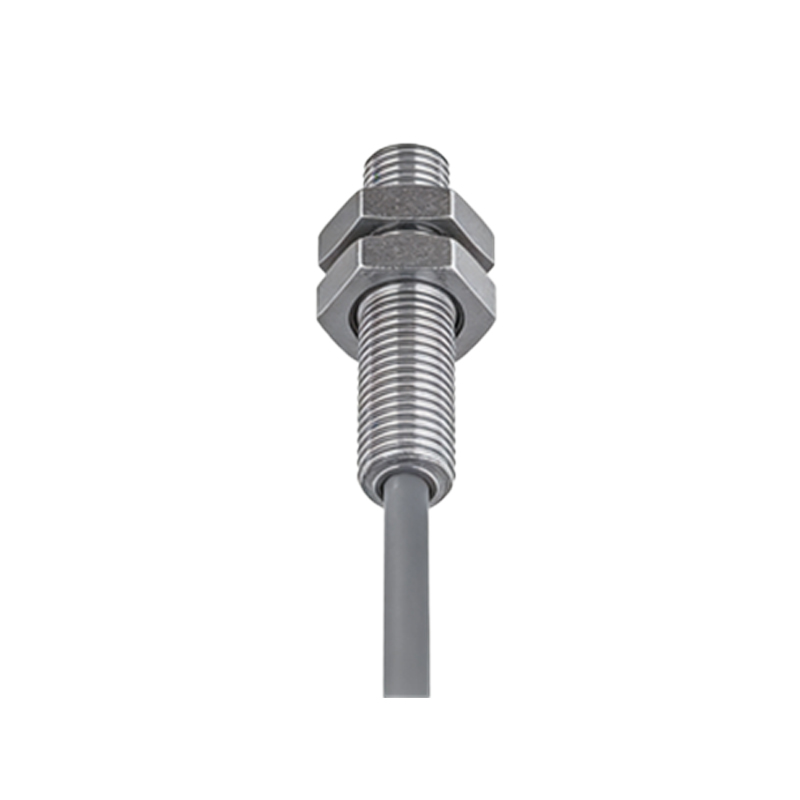
Interpreting PPG sensor images involves analyzing waveform characteristics such as amplitude, frequency, and noise levels. In industrial automation, a stable, high-amplitude signal typically indicates consistent object detection or material quality, while fluctuations may suggest defects or misalignment. For instance, in packaging lines, PPG images can identify mislabeled items by detecting color variations through light absorption differences. Images may also show noise from electrical interference or environmental vibrations, which can be mitigated through shielding and filtering techniques. Advanced systems use algorithms to process these images in real-time, extracting features like pulse rates in medical devices or thickness measurements in manufacturing. By correlating image data with operational benchmarks, engineers can optimize processes, reduce waste, and enhance productivity. Training personnel to read these images is crucial for troubleshooting and maintenance, as anomalies often precede equipment failures.
Applications and Case Studies
PPG photoelectric sensors find diverse applications across industries, with images serving as diagnostic tools. In automotive manufacturing, they monitor paint thickness on vehicle bodies, where PPG images display uniform curves for proper coating and irregular patterns for defects. In pharmaceuticals, sensors verify pill coating integrity by analyzing light reflection images, ensuring compliance with safety standards. A case study in textile production demonstrated how PPG images detected fabric weave inconsistencies, reducing material waste by 15%. Another example is in food processing, where sensors measure fruit ripeness based on light absorption images, automating sorting processes. These applications highlight how PPG sensor images translate raw data into actionable insights, driving efficiency and quality assurance. As industries adopt IoT and AI, integrating PPG image analysis with predictive analytics enables proactive maintenance and smarter decision-making.
Best Practices for Image Optimization
To ensure high-quality PPG sensor images, follow best practices in installation and operation. Position sensors perpendicular to targets to maximize light reflection and minimize distortion. Use appropriate light wavelengths—infrared for opaque materials and visible light for transparent objects—to enhance image contrast. Shield sensors from ambient light sources with enclosures or filters, and regularly clean lenses to prevent dust accumulation that can blur images. Calibrate sensors periodically using reference standards, adjusting gain and threshold settings based on application needs. In data analysis, employ digital filtering to remove noise and smooth waveforms, improving image clarity. Document image patterns for common scenarios to build a reference library, aiding in rapid anomaly detection. By adhering to these practices, industries can leverage PPG images for reliable, long-term monitoring, supporting sustainable operations and innovation.
Future Trends and Innovations
The future of PPG photoelectric sensor images is shaped by advancements in miniaturization, connectivity, and artificial intelligence. Emerging sensors with higher resolution and multi-wavelength capabilities will produce more detailed images, enabling finer material analysis and biometric monitoring. Integration with wireless networks and cloud platforms will allow remote image access and real-time analytics across global operations. AI-driven image processing algorithms will automate interpretation, identifying subtle patterns humans might miss, such as early signs of wear in machinery or health indicators in wearable devices. Research in nanotechnology may lead to ultra-sensitive PPG sensors for niche applications, like detecting contaminants in liquids. As industries embrace Industry 4.0, PPG images will become integral to digital twins and autonomous systems, fostering a new era of precision and efficiency. Staying updated on these trends ensures competitive advantage and operational excellence.