Introduction to Photoelectric Sensing Technology
Photoelectric sensors are indispensable components in modern industrial automation, offering non-contact detection of objects based on the modulation of light. These devices operate by emitting a beam of light, typically from an LED or laser diode, and detecting changes in the received light intensity caused by the presence, absence, or characteristics of a target object. The core principle relies on the interaction between light and the target, which can involve reflection, interruption, or scattering. Their ability to detect a wide variety of materials—including metals, plastics, glass, and liquids—over considerable distances and at high speeds makes them superior to many mechanical and proximity sensing methods. The technology's robustness, precision, and versatility have cemented its role in countless applications, from simple object counting on a conveyor to complex positioning in robotic assembly cells.
Core Operating Modes and Their Mechanisms
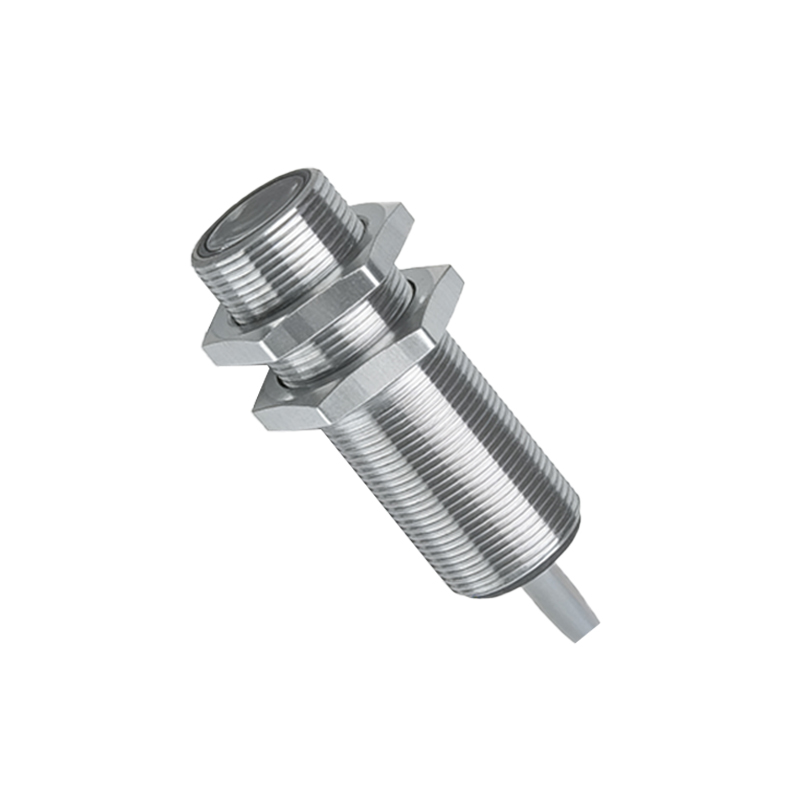
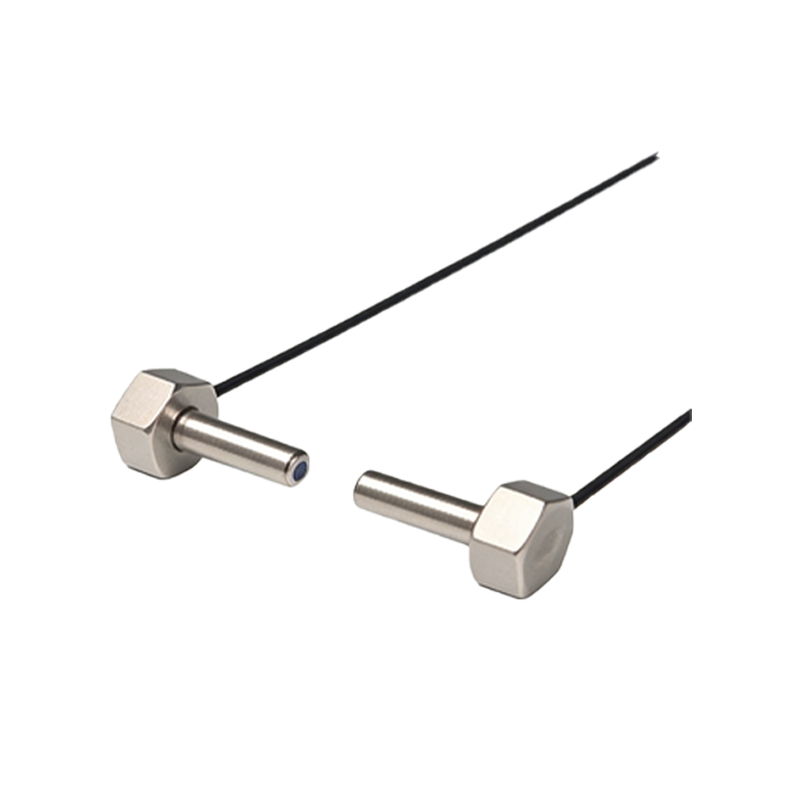
Photoelectric sensors are primarily categorized into three fundamental operating modes, each suited for specific environmental and application challenges. The first is the through-beam (or opposed) mode, which consists of separate, aligned emitter and receiver units. Detection occurs when the target object interrupts the light beam traveling between them. This mode offers the longest sensing range and highest reliability, as it is largely immune to target color, reflectivity, or surface finish. The second mode is retro-reflective, where the emitter and receiver are housed in a single unit. The sensor uses a reflector to bounce the light beam back to the receiver. A target is detected when it breaks this beam. This mode provides a good balance of range and ease of installation. The third, and most common, is diffuse (or proximity) mode. Here, the sensor emits light and detects the portion scattered directly back from the target's surface. Detection depends on the target's reflectivity, making it sensitive to color and surface texture, but it allows for one-sided installation without a separate reflector.
Advanced Sensing Variations and Specialized Types
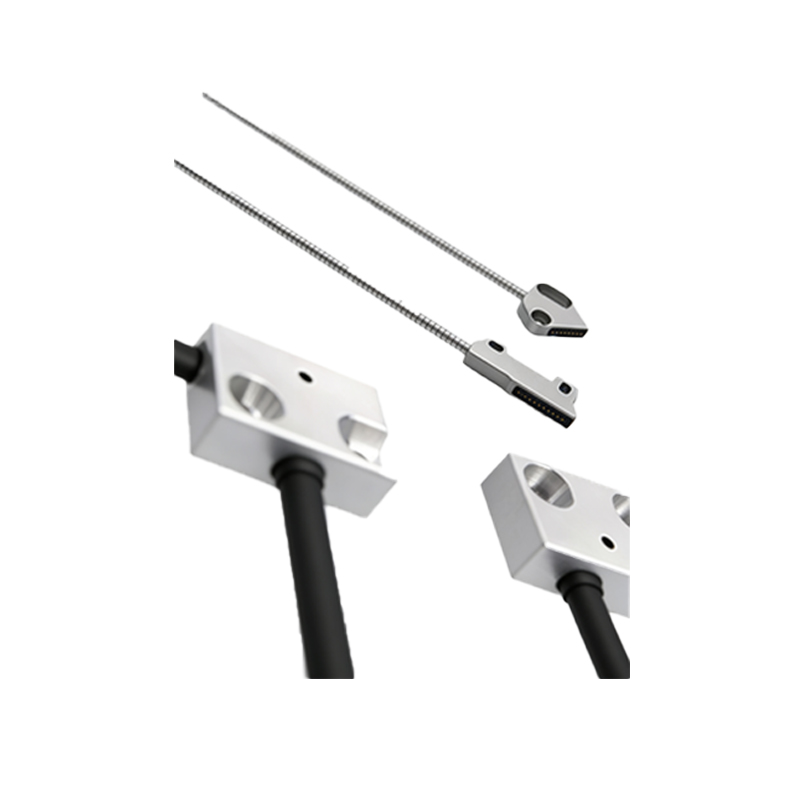
Beyond the basic modes, advanced variations address more complex detection needs. Background suppression sensors are a sophisticated type of diffuse sensor that uses triangulation to detect objects only within a precise, fixed distance, ignoring more distant backgrounds. This is crucial for reliably detecting objects on a conveyor regardless of the conveyor's color or presence. Contrast sensors are designed to detect differences in color, grayscale, or mark presence by comparing the reflected light intensity from the target against a reference. Luminescence sensors detect the presence of materials that glow under UV light, ideal for verifying security marks or adhesive presence. Fiber optic photoelectric sensors separate the sensing head (the fiber optic cable) from the amplifier electronics, allowing operation in extremely hot, cold, or space-constrained environments where a standard sensor housing would not fit or survive.
Key Performance Parameters and Selection Guidelines
Selecting the correct photoelectric sensor requires careful analysis of several key parameters. Sensing range is the maximum distance at which a target can be reliably detected, varying significantly between modes. Response time indicates how quickly the sensor's output switches after detection, critical for high-speed applications. Light source choice—red visible LED, infrared LED, or laser—affects sensing range, spot size, and visibility for alignment. Environmental factors like ambient light, dust, fog, or temperature extremes must be considered; sensors with modulated light signals and robust housings (IP67/IP69K ratings) mitigate interference. Output type (PNP/NPN, analog, IO-Link) must match the control system's input requirements. Finally, the target's properties—size, material, color, and surface—directly influence the choice of operating mode and sensor type to ensure consistent, error-free operation.
Industrial Applications Across Various Sectors
The application landscape for photoelectric sensors is vast. In packaging and material handling, they are used for object detection on conveyors, bottle cap presence verification, and carton counting. In the automotive industry, they ensure precise part positioning for robotic welding and assembly. In food and beverage processing, they detect transparent bottles, control fill levels, and verify label placement. In electronics manufacturing, they facilitate the precise placement of tiny components on PCBs. Logistics and warehousing rely on them for parcel dimensioning, barcode reading gateways, and palletizing control. Their non-contact nature prevents product damage and minimizes maintenance, while their speed and accuracy enhance overall equipment effectiveness (OEE) and production line throughput.
Installation, Alignment, and Maintenance Best Practices
Proper installation is paramount for optimal sensor performance. Ensuring a stable mounting platform free from vibration prevents misalignment. For through-beam and retro-reflective sensors, precise optical alignment is necessary, often aided by built-in alignment indicators or visible laser beams. The sensor should be positioned to avoid sensing unintended objects or background surfaces. Regular maintenance involves keeping lenses clean from dust, oil, or debris that can attenuate the light signal. Periodically checking the sensor's performance with the actual target material under normal operating conditions helps identify potential drift or failure before it causes downtime. Modern sensors with IO-Link capability offer advanced diagnostics, allowing for remote monitoring of signal strength, temperature, and operating hours, enabling predictive maintenance strategies.
Future Trends and Technological Evolution
The future of photoelectric sensing is intertwined with Industry 4.0 and smart factory concepts. The integration of IO-Link communication is becoming standard, transforming sensors into intelligent data points that provide detailed diagnostic and process information to higher-level control systems. Miniaturization continues, enabling sensors to fit into increasingly compact machinery. There is also a trend toward multi-functional devices that combine photoelectric sensing with other technologies, such as distance measurement (using time-of-flight principles) or color recognition in a single housing. Furthermore, enhanced resistance to harsh environmental conditions and improved algorithms for ignoring challenging backgrounds will expand their applicability. As machine vision and simpler photoelectric sensing converge, these devices will play an even more critical role in flexible, data-driven manufacturing environments.