Introduction to Linear Photoelectric Sensors
Linear photoelectric sensors are versatile devices that detect the presence, absence, or distance of objects using a light beam. Unlike simple on/off sensors, linear types provide a continuous analog output proportional to the detected light intensity or distance. This functionality makes them suitable for precise measurement and control tasks. In industrial settings, they are staples for automation, but their principles and evolving affordability are opening doors to sophisticated home applications. For the household, this translates to potential uses in security, convenience, automation, and even hobbyist projects, offering a bridge between basic binary sensing and more nuanced environmental interaction.
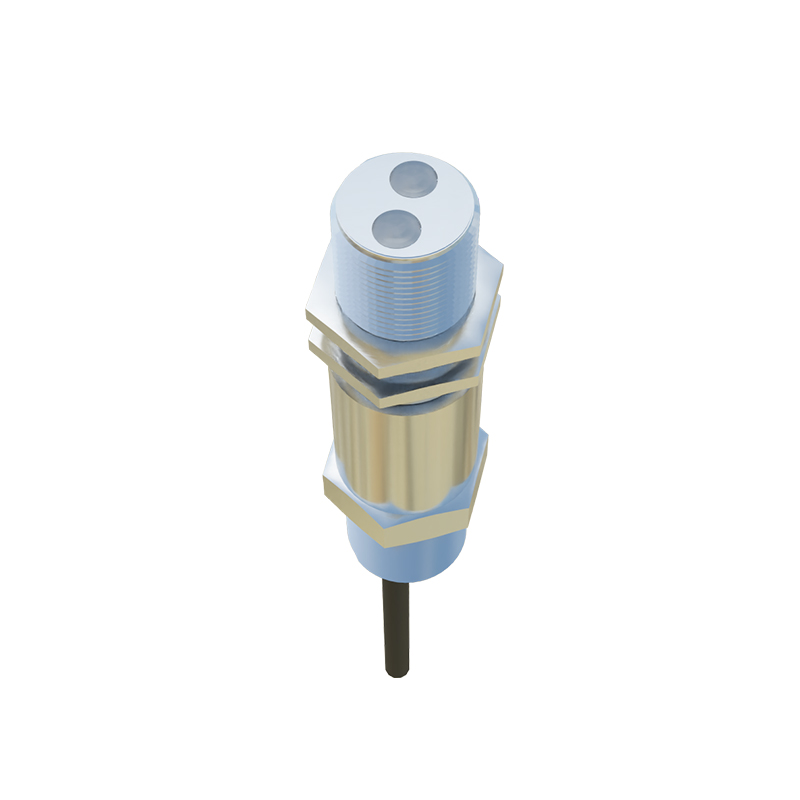
How Linear Photoelectric Sensors Work
The core operation involves a transmitter that emits a beam of light—often infrared, red LED, or laser—and a receiver that detects the light. In a linear output configuration, the sensor's output signal (typically voltage or current) changes continuously in relation to the amount of light received. This can be based on two primary methods: through-beam and reflective. In a through-beam setup, the receiver directly faces the transmitter; an object interrupting the beam causes a proportional drop in received light. In a reflective setup, the sensor detects light reflected from a target or a background. The analog output linearly corresponds to the distance of the object or the reflectivity, allowing for precise positional feedback rather than a simple trigger.
Key Advantages for Domestic Applications
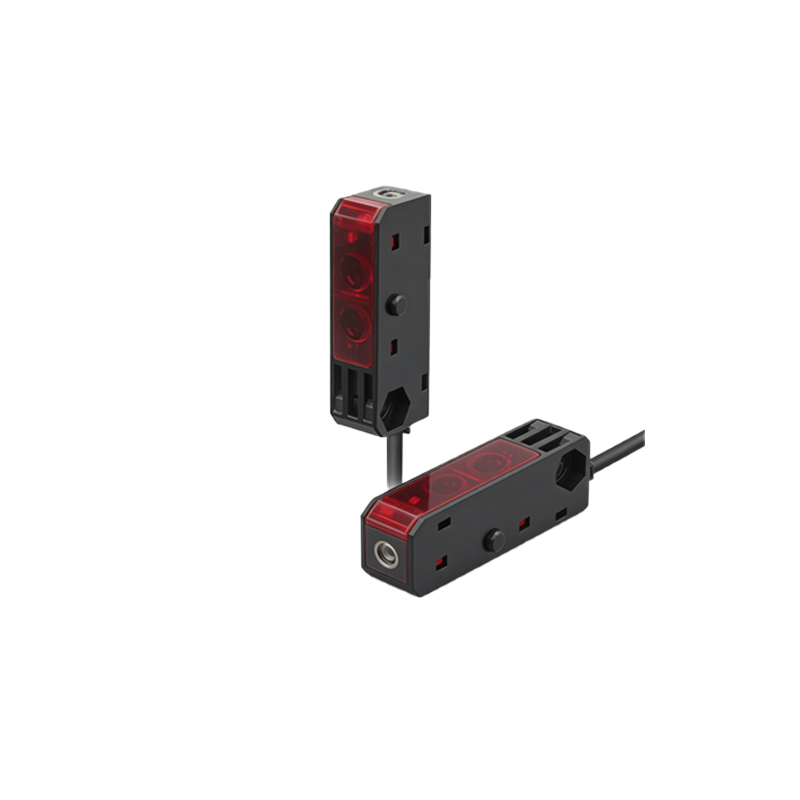
The adoption of linear photoelectric sensors in homes is driven by several key benefits. First is precision. They can detect minute changes in position or presence, useful for applications like smart furniture adjustment or precise liquid level sensing in aquariums or plant watering systems. Second is versatility. Their analog nature allows them to be integrated into custom automation logic for lighting, climate control, or security with graded responses. Third is non-contact operation, which means no physical wear and tear and reliable long-term performance. Finally, modern sensors are becoming more compact, energy-efficient, and easier to interface with popular microcontrollers like Arduino or Raspberry Pi, lowering the technical barrier for DIY enthusiasts.
Practical Home Use Case Examples
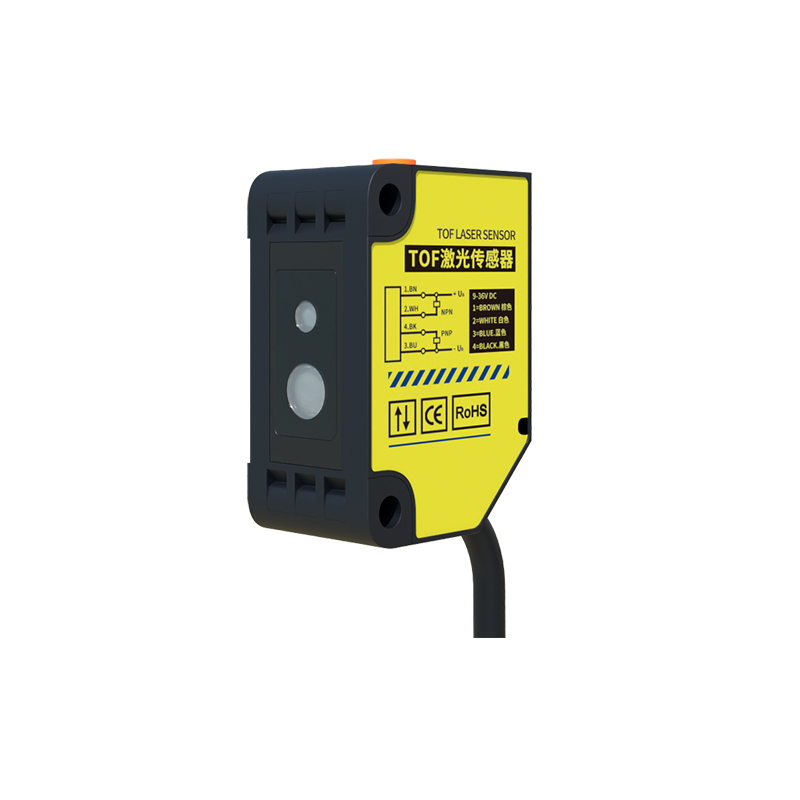
Several practical applications demonstrate their value in a residential setting. In home security, a linear sensor could monitor the position of a window or door, not just whether it's open or closed, but how *much* it is open, sending alerts for subtle, unauthorized movements. For smart garages, they can provide precise feedback on door position for smooth automated operation and safety reversal. In automated gardening, they can measure soil moisture levels indirectly or monitor water reservoir levels with high accuracy. Hobbyists use them for 3D printer bed leveling, line-following robots, or creating interactive art installations that respond to the precise distance of a person's hand.
Installation and Integration Considerations
Successfully implementing a linear photoelectric sensor at home requires careful planning. The first consideration is environmental factors. Dust, direct sunlight, or heavy condensation can interfere with the light beam, so choosing a sensor with an appropriate IP rating and selecting a sheltered location is crucial. Power supply and output signal compatibility are next. Most sensors require a DC power source (e.g., 12-24V DC) and output an analog signal (0-10V or 4-20mA) that must be correctly interpreted by the receiving device, such as a smart home hub or microcontroller. Calibration is also essential to map the sensor's output range to the desired physical measurement range for reliable operation.
Choosing the Right Sensor for Your Home Project
Selecting an appropriate sensor involves evaluating key specifications. Sensing range is paramount; ensure the sensor's operational distance covers your intended application with some margin. Resolution and linearity error define how precise and accurate the distance measurement will be. The type of light source (infrared for discreetness, laser for precision, red LED for visibility) is another factor. Consider the output type (voltage or current) and ensure it matches your controller's analog input. Finally, look for models designed for reliability in varying temperatures and humidity levels if used in garages, bathrooms, or outdoors. Many suppliers now offer sensors specifically marketed for hobbyist and prototyping use, which often include helpful documentation and community support.
Future Trends and Smart Home Synergy
The future of linear photoelectric sensors in the home is tightly linked to the growth of the Internet of Things (IoT) and smarter home ecosystems. We can expect sensors to become even smaller, more power-efficient, and equipped with digital communication protocols like IO-Link or direct Wi-Fi/Bluetooth connectivity. This will allow them to seamlessly integrate into smart home platforms without intermediary controllers, providing rich, continuous data streams. This data can feed into AI-driven home systems for predictive automation—like adjusting lighting based on not just occupancy, but also a person's precise location in a room. As costs continue to decrease, these precise sensing capabilities will move from niche DIY projects to becoming standard components in next-generation, responsive home appliances and systems.