Introduction to Photoelectric Sensor Technology
Photoelectric sensor modules are fundamental components in modern industrial automation, providing non-contact detection of objects, distances, and conditions. These devices operate on a simple yet powerful principle: they emit a beam of light, typically from an LED or laser diode, and detect changes in the received light signal. The core components include an emitter, a receiver, and a signal processing circuit. When the emitted light beam is interrupted, reflected, or refracted by a target object, the receiver detects this change. The internal circuitry then converts this optical change into an electrical signal, triggering an output switch. This output can be a discrete ON/OFF signal or an analog value proportional to distance or intensity, which is then used by programmable logic controllers (PLCs) or other control systems to initiate actions. Their versatility, speed, and reliability make them indispensable for tasks ranging from basic object presence detection to complex positioning and quality inspection.
Core Operating Modes and Configurations
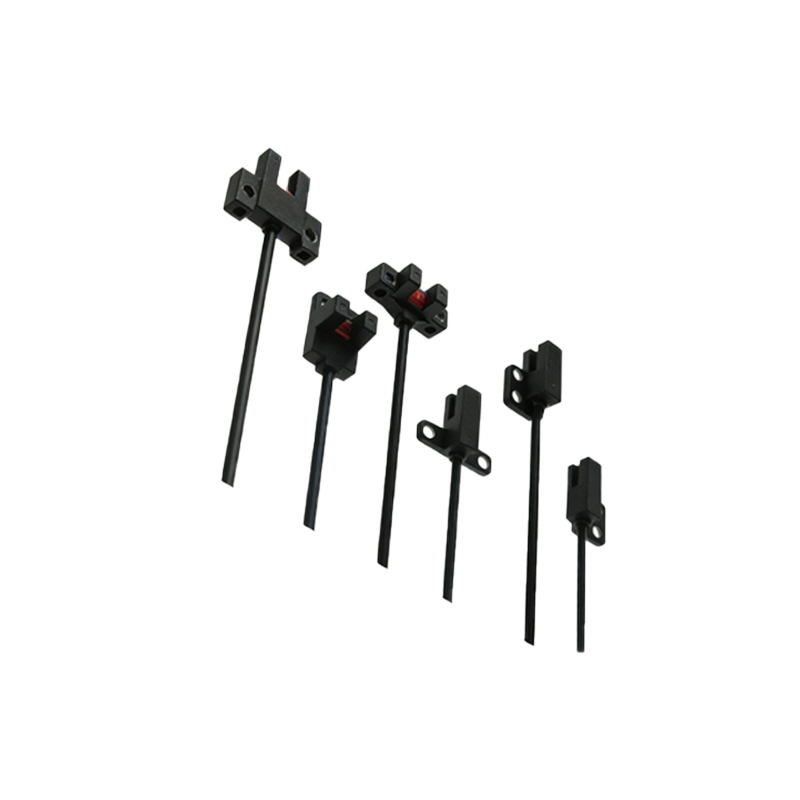
Photoelectric sensors are primarily categorized into three main operating modes, each suited for specific applications. Through-beam sensors, also known as opposed mode sensors, consist of separate emitter and receiver units placed opposite each other. Detection occurs when the target object breaks the light beam traveling from the emitter to the receiver. This mode offers the longest sensing ranges and highest reliability, as it is less affected by the target's color, texture, or reflectivity. Retro-reflective sensors house both the emitter and receiver in a single housing. They use a specialized reflector to bounce the light beam back to the receiver. Detection happens when an object interrupts this reflected beam. Diffuse or proximity sensors also have a combined emitter and receiver. They detect objects by measuring the light reflected directly off the target's surface. This self-contained design is compact and easy to install but is more sensitive to the target's color and surface properties. Advanced versions include background suppression and foreground suppression models for precise detection at a defined distance.
Key Specifications and Selection Criteria
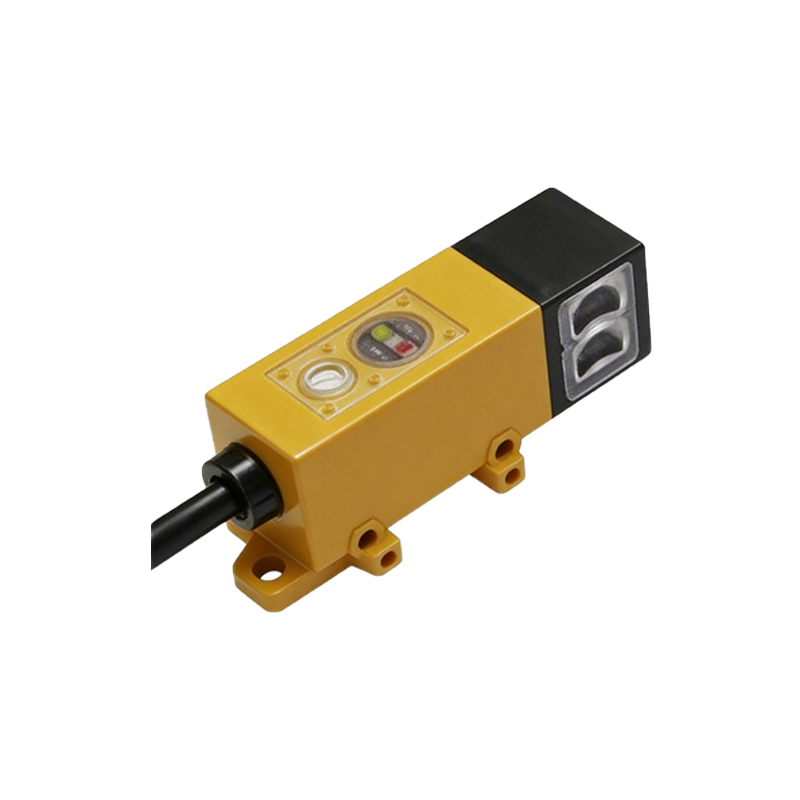
Selecting the correct photoelectric sensor module requires careful analysis of several technical parameters. Sensing range is the maximum distance at which the sensor can reliably detect a standard target. For diffuse sensors, this is highly dependent on target color and reflectivity. Response time indicates how quickly the sensor can react to a change in state, critical for high-speed production lines. Light source type is crucial; red LED is common and cost-effective, infrared LED is used for discreet operation, laser diodes provide precise, long-range sensing, and specialized colors like green or blue can detect specific materials. Output type must match the control system, with options including NPN/PNP transistor outputs, analog current (4-20mA) or voltage (0-10V), and IO-Link for smart sensor communication. Environmental ratings, such as IP67 or IP69K for dust and water ingress protection, and operating temperature range, are vital for harsh industrial environments. Finally, housing material (often metal or rugged plastic) and connection type (connector or cable) must suit the physical installation.
Advanced Features and Smart Sensor Capabilities
Modern photoelectric sensor modules incorporate sophisticated features that enhance functionality and simplify integration. Teach-in functionality allows for easy on-site configuration of sensitivity or sensing distance, often via a button or remote input. Background Suppression (BGS) and Foreground Suppression (FGS) technologies use triangulation principles to detect objects only within a precise, defined zone, ignoring objects beyond or before it. This is essential for consistent detection regardless of target color or background interference. Polarization filters are used in retro-reflective sensors to ignore shiny objects that might otherwise reflect light like a true reflector. The advent of Industry 4.0 has propelled the development of smart sensors with IO-Link communication. These devices transmit not just a switch signal but also detailed diagnostic data like operating hours, temperature, signal strength, and contamination warnings, enabling predictive maintenance and detailed process monitoring.
Common Industrial Applications and Use Cases
The application spectrum for photoelectric sensors is vast across manufacturing and logistics. In packaging and material handling, they are used for object counting, fill level control in bottles, and detecting the presence of items on conveyor belts. In the automotive industry, they ensure precise positioning of robotic arms for welding and assembly, and verify part presence in intricate sub-assemblies. They are critical for edge guiding and web break detection in printing and paper converting machinery. In food and beverage, they detect labels, monitor cap placement, and control packaging sequences. Safety applications include light curtains and area guards that create an invisible protective barrier around hazardous machinery. Their non-contact nature makes them ideal for detecting fragile, hot, or vibrating objects where physical contact sensors would fail or cause damage.
Installation Tips and Troubleshooting Guidelines
Proper installation is key to reliable sensor performance. Always ensure the sensor is securely mounted to minimize vibration. For through-beam and retro-reflective types, precise alignment of the emitter, receiver, and reflector is critical; a laser alignment tool can be invaluable. Consider environmental factors: ambient light from sunlight or high-bay lighting can interfere, so using sensors with modulated light (pulsed LED) and selecting models with robust ambient light immunity is recommended. For diffuse sensors, account for the target's reflectivity; a highly reflective target may be detected from a greater distance than a dark, matte one. Common issues include false triggering or failure to detect. Troubleshooting should start with checking power connections and output wiring. Verify alignment, clean the lens of dust or debris, and check for optical obstructions. Use the sensor's built-in indicator LED to confirm the detection state. For smart sensors, leverage diagnostic data to identify trends like gradually decreasing signal strength, which indicates lens contamination.