Introduction to Photoelectric Sensor Usage
Photoelectric sensors are widely employed in industrial automation for tasks such as object detection, positioning, and counting. The number of sensors required in a system depends on various factors, including the application complexity, detection range, and environmental conditions. Typically, a single photoelectric sensor might suffice for basic presence detection, while more intricate setups—like conveyor belt sorting or robotic guidance—may necessitate multiple sensors working in tandem. Understanding the general principles behind sensor quantity helps optimize both performance and cost-efficiency in electrical engineering projects.
Factors Influencing Sensor Quantity
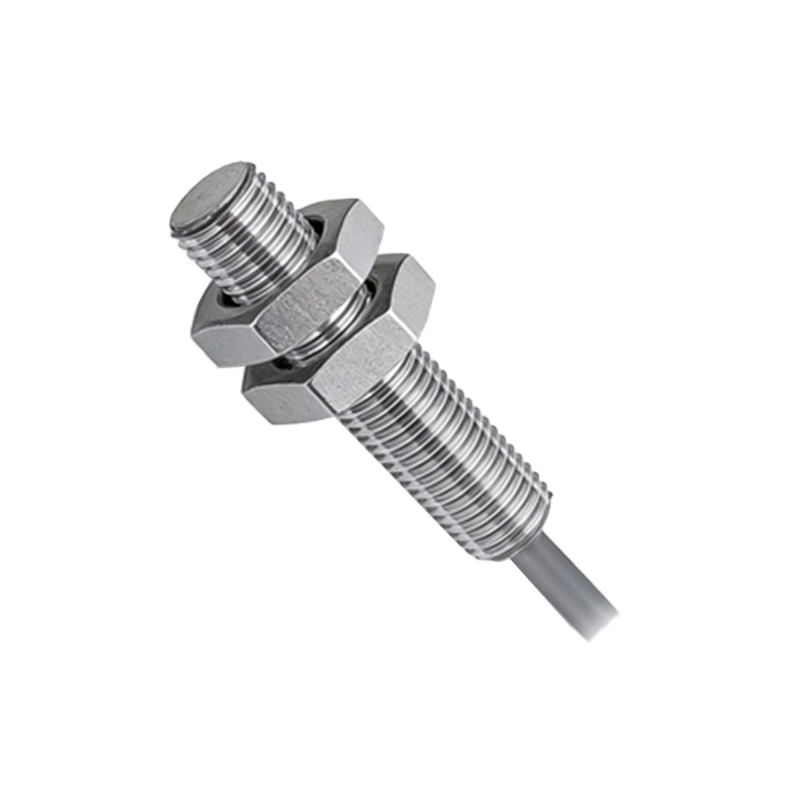
Several key elements determine how many photoelectric sensors are needed. First, the size and shape of the target object play a crucial role; larger or irregularly shaped items may require multiple sensors to ensure reliable detection from different angles. Second, the required detection accuracy influences the count—high-precision applications, such as assembly line quality checks, often use arrays of sensors to minimize errors. Third, environmental interferences like dust, light, or vibrations can necessitate additional sensors for redundancy. Lastly, the system's automation level matters: simple manual operations might use fewer sensors, whereas fully automated processes integrate multiple units for comprehensive monitoring.
Common Industrial Application Examples
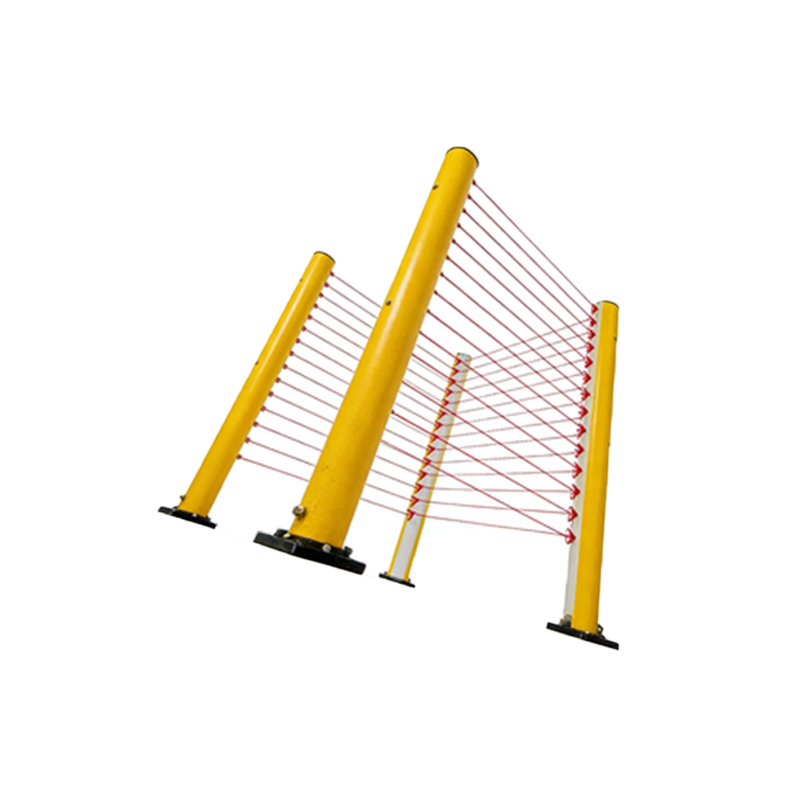
In packaging lines, it's common to see two to four photoelectric sensors deployed. For instance, one sensor might detect product arrival on a conveyor, while another verifies proper placement before sealing. In automotive manufacturing, robotic welding cells often utilize three or more sensors to align components and ensure safety barriers are intact. For warehouse automation, palletizing systems may employ over a dozen sensors to track inventory movement and prevent collisions. These examples illustrate that sensor counts vary widely, but a rule of thumb is that complex, high-speed operations tend to require more units to maintain efficiency and reliability.
Cost and Efficiency Considerations
While adding more photoelectric sensors can enhance system robustness, it also increases upfront costs and maintenance efforts. Engineers must balance performance with budget constraints. Using fewer sensors with advanced features—like multi-beam or background suppression technology—can sometimes replace multiple standard sensors, reducing overall count. Additionally, proper placement and calibration can maximize each sensor's coverage, minimizing the need for extras. Regular audits of sensor performance help identify opportunities to streamline quantities without compromising functionality, ensuring long-term operational efficiency.
Future Trends in Sensor Deployment
Advancements in photoelectric sensor technology are shifting usage patterns. Smart sensors with IoT connectivity allow for centralized monitoring, potentially reducing the number of physical units needed by enabling predictive maintenance and adaptive detection. Miniaturized sensors also facilitate denser arrays in compact spaces, supporting more intricate applications without bulk. As industries adopt Industry 4.0 standards, the focus is moving from sheer quantity to optimized integration—where fewer, smarter sensors deliver greater value through data analytics and automation synergy.
Conclusion and Best Practices
Determining how many photoelectric sensors to use involves assessing specific application needs, environmental factors, and technological capabilities. Start by defining clear detection goals, then prototype with minimal sensors, scaling up only as necessary for reliability. Collaborate with suppliers to select sensor types that offer flexibility and durability. Ultimately, there's no universal number—each project requires tailored analysis to achieve an optimal balance between sensor quantity, cost, and performance in the evolving electrical engineering landscape.