Market Overview of Domestic Photoelectric Sensors
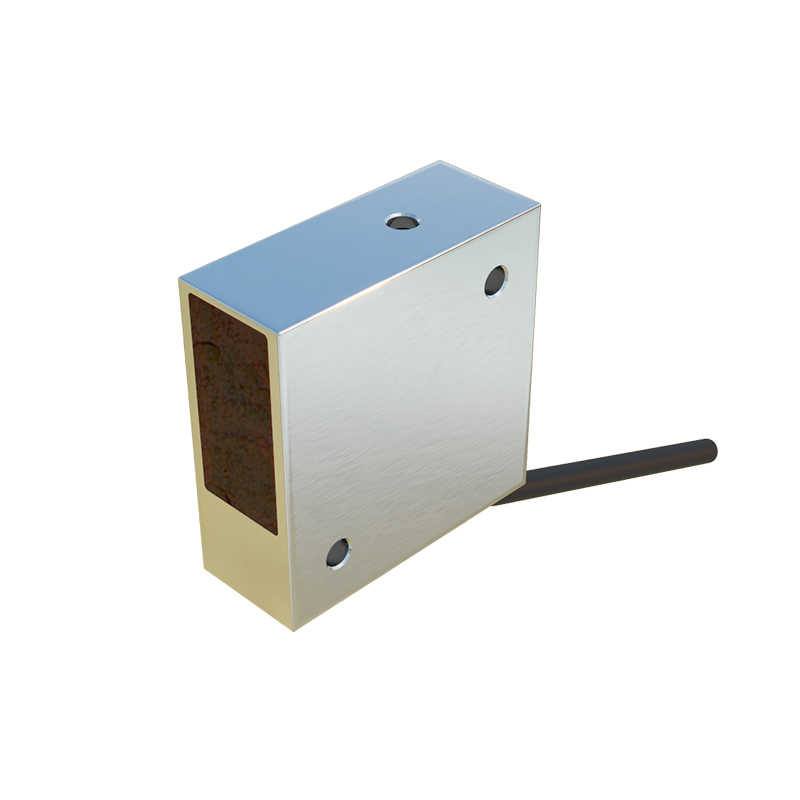
The production capacity of domestic photoelectric sensors in China has seen remarkable growth over the past decade, driven by advancements in manufacturing technology and increasing demand across various industries. According to industry reports, China now accounts for a significant portion of the global output, with annual production volumes expanding at a compound annual growth rate (CAGR) of approximately 15% since 2015. This surge is largely attributed to investments in automation, robotics, and smart infrastructure, where photoelectric sensors play a critical role in detection, measurement, and control applications. Major production hubs are concentrated in regions like Guangdong, Jiangsu, and Zhejiang, where supply chains are well-established, enabling efficient scaling of output to meet both domestic and international needs.
Factors Driving High Production Volumes
Several key factors contribute to the large-scale production of photoelectric sensors in China. First, the government's initiatives, such as "Made in China 2025," have prioritized the development of high-tech manufacturing sectors, including sensor technology. This has led to increased funding for research and development (R&D), resulting in improved product quality and cost-effectiveness. Second, the rise of Industry 4.0 and the Internet of Things (IoT) has fueled demand for reliable sensors in applications like automotive electronics, consumer electronics, and industrial automation. Domestic manufacturers have capitalized on this trend by expanding production lines and adopting advanced fabrication techniques, such as micro-electro-mechanical systems (MEMS), to enhance efficiency. Additionally, competitive pricing due to lower labor and material costs has made Chinese photoelectric sensors attractive in global markets, further boosting output.
Technological Advancements and Innovation
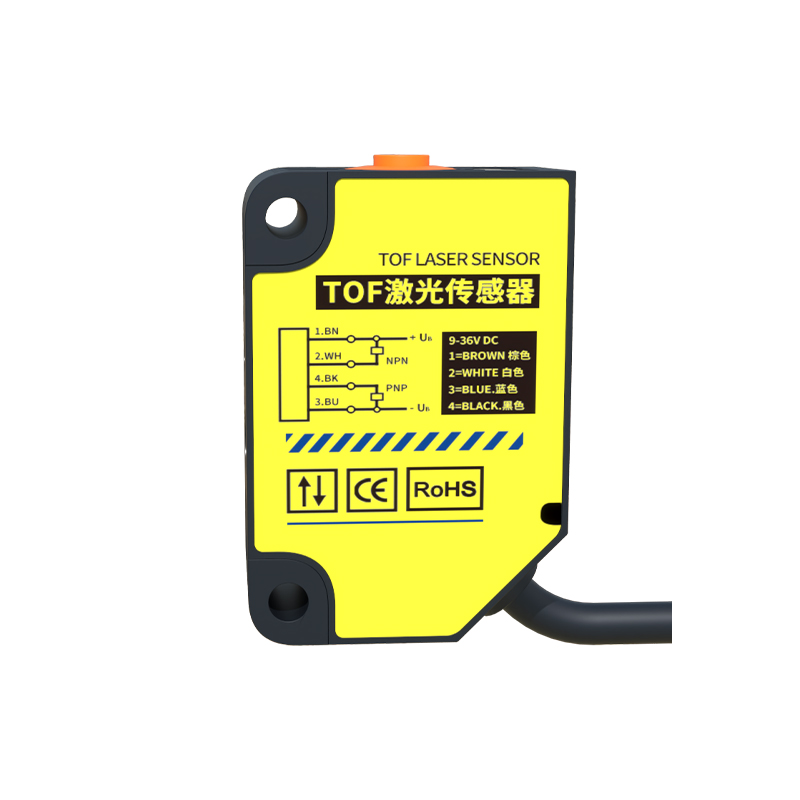
Technological innovation has been a cornerstone in scaling up the production of domestic photoelectric sensors. Chinese companies have made significant strides in developing sensors with higher precision, longer ranges, and better environmental resilience. For instance, advancements in infrared (IR) and laser-based sensors have enabled their use in harsh conditions, such as in mining or outdoor surveillance. Collaboration between academic institutions and industry players has accelerated R&D, leading to patents and proprietary designs that reduce dependency on imported components. Moreover, the integration of artificial intelligence (AI) and machine learning algorithms has allowed for smarter sensor systems, which are in high demand for automated guided vehicles (AGVs) and smart city projects. These innovations not only increase production capacity but also enhance the global competitiveness of Chinese-made sensors.
Challenges in Sustaining Production Growth
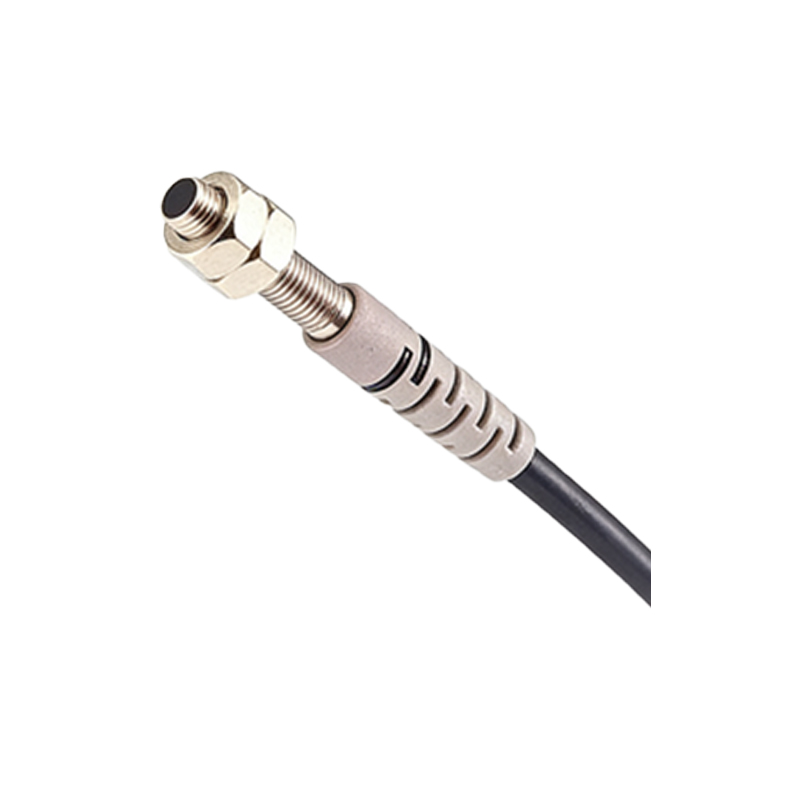
Despite the impressive production figures, the domestic photoelectric sensor industry faces several challenges that could impact future growth. One major issue is the reliance on imported raw materials, such as specialized semiconductors and optical elements, which can lead to supply chain disruptions and increased costs. Quality consistency is another concern, as some manufacturers struggle to maintain high standards across large batches, potentially affecting reliability in critical applications. Additionally, international trade tensions and regulatory barriers in export markets may hinder expansion. To address these challenges, industry leaders are focusing on vertical integration, investing in domestic material sourcing, and implementing stricter quality control protocols. Environmental regulations also pose a risk, as production processes must adapt to sustainability standards, which could require costly upgrades.
Future Outlook and Global Impact
Looking ahead, the production capacity of domestic photoelectric sensors in China is expected to continue growing, albeit at a more moderated pace. Projections suggest that by 2030, China could dominate up to 40% of the global market share, driven by ongoing digital transformation and smart manufacturing trends. Emerging applications in renewable energy, healthcare monitoring, and autonomous vehicles will likely create new demand streams. To maintain this trajectory, manufacturers must prioritize innovation in areas like miniaturization and energy efficiency, while also exploring partnerships with international firms to access advanced technologies. The global impact will be significant, as increased production from China may lead to more affordable sensor solutions worldwide, accelerating adoption in developing regions. However, balancing scale with quality and sustainability will be crucial for long-term success in this dynamic industry.