Understanding Background Suppression Technology
Background suppression is a critical feature in modern photoelectric sensing, enabling precise detection of objects regardless of their color, texture, or the presence of a background surface. Unlike standard diffuse sensors, which measure the total amount of reflected light, background suppression sensors use triangulation principles. They incorporate a receiver with multiple elements or a position-sensitive detector (PSD). The sensor calculates the angle of the reflected light beam, distinguishing between light bounced from the target object and light from the background beyond the set sensing point. This allows for a very sharp cutoff, reliably ignoring objects beyond the specified range. This technology is indispensable in applications like packaging, material handling, and assembly, where consistent detection of objects on conveyor belts or at specific heights is required, irrespective of varying background conditions.
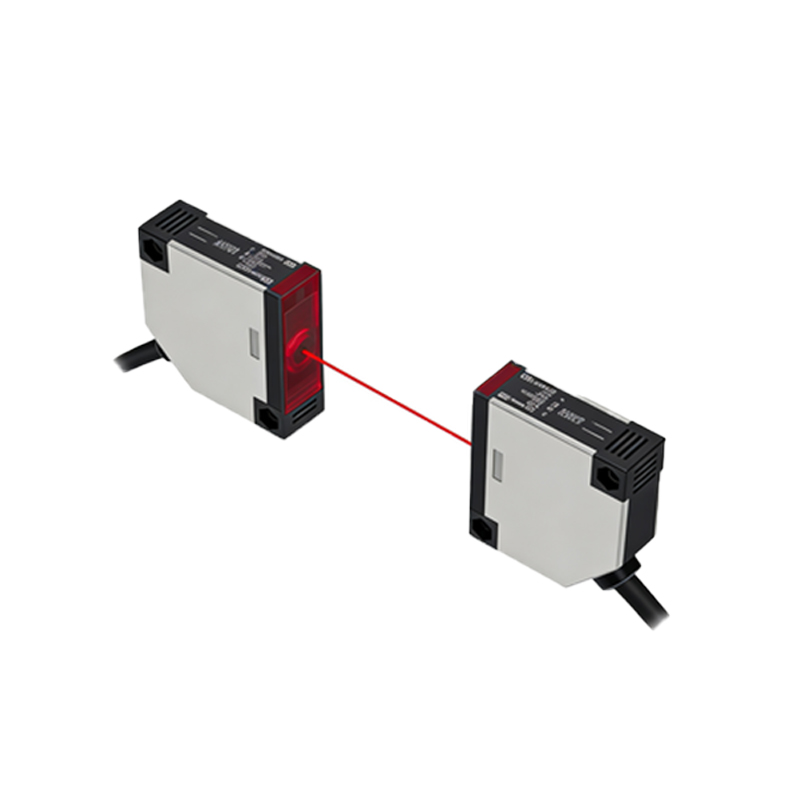
Key Criteria for Evaluating Sensor Brands
When selecting a brand for background suppression photoelectric sensors, several technical and practical factors must be considered. First, sensing range and accuracy are paramount. High-quality sensors offer precise, repeatable switching points with minimal hysteresis. The design of the optical system, including lens quality and emitter strength, directly impacts performance. Second, environmental robustness is crucial. Look for sensors with high IP ratings (e.g., IP67, IP69K) for dust and water resistance, wide operating temperature ranges, and resistance to vibration and shock. Third, output flexibility matters. Options typically include PNP/NPN, analog outputs (4-20mA, 0-10V), or IO-Link for smart sensor capabilities and digital parameterization. Finally, ease of setup via teach-in functions or potentiometers and the availability of various housing styles (e.g., rectangular, cylindrical) for different mounting scenarios are key practical considerations.
Leading Contenders in the Industrial Market
The market for high-performance background suppression sensors is dominated by several established industrial automation brands. SICK, a German manufacturer, is often regarded as a benchmark for precision and innovation. Their sensors, such as the WTM series, are renowned for exceptional background suppression performance, high repeatability, and robust construction for harsh environments. Banner Engineering, from the United States, offers a vast portfolio known for reliability, user-friendly features like patented SureCross technology, and excellent value. Their QS18 and QS30 series are widely adopted. Omron, a Japanese electronics giant, provides highly reliable and compact sensors with advanced features like built-in amplifiers and stable detection of challenging surfaces. Pepperl+Fuchs, another German leader, excels in sensor technology for demanding applications, offering models with high immunity to ambient light and innovative diagnostic functions.
Detailed Brand Comparison and Strengths
A closer comparison reveals distinct brand strengths. SICK sensors typically lead in applications demanding the highest precision, long ranges, and complex sensing tasks. Their products often incorporate advanced diagnostics and connectivity options, making them a top choice for sophisticated Industry 4.0 environments, albeit at a premium price point. Banner Engineering excels in delivering robust performance with exceptional ease of use and setup. Their sensors are often praised for straightforward installation, clear status indicators, and strong technical support, providing an excellent balance of performance and cost. Omron's strength lies in miniaturization and high-density mounting, offering incredibly compact sensors without sacrificing detection stability. They are ideal for space-constrained applications in electronics assembly or small machinery. Pepperl+Fuchs is a go-to brand for extreme conditions, such as washdown areas in food & beverage or aggressive industrial atmospheres, with sensors boasting superior sealing and chemical resistance.
Application-Specific Recommendations
The "best" brand is ultimately defined by the specific application. For precision logistics and automated storage systems where detecting packages of varying colors on roller conveyors is critical, SICK's high-accuracy sensors are often unmatched. In general manufacturing and packaging lines where reliability, ease of maintenance, and cost-effectiveness are key, Banner Engineering or Omron sensors provide outstanding solutions. For aggressive environments like automotive paint shops or food processing plants with frequent high-pressure cleaning, the ruggedized designs from Pepperl+Fuchs are highly recommended. For integrated smart factory applications requiring extensive data from the sensor point, brands offering robust IO-Link integration, such as SICK or Banner, should be prioritized to enable predictive maintenance and process optimization.
Conclusion: Making the Informed Choice
There is no single "best" brand for all scenarios; the leading manufacturers each offer compelling products with slightly different emphases on precision, durability, connectivity, or cost. The optimal selection process involves a clear analysis of your application requirements: required sensing distance, accuracy tolerance, environmental conditions, available space, budget, and desired level of digital integration. Evaluating samples from shortlisted brands under real operating conditions is always the most reliable method. By understanding the core technology and aligning brand strengths with your specific needs, you can confidently select a background suppression photoelectric sensor that delivers reliable, long-term performance and enhances your system's efficiency and intelligence.