Introduction to Photoelectric Sensing Technology
Photoelectric sensors are fundamental components in modern industrial automation, providing non-contact detection of objects through the use of a light transmitter and receiver. The core principle involves emitting a beam of light—visible red, infrared, or laser—and detecting changes in the received light signal caused by the presence, absence, or specific characteristics of a target object. This technology offers significant advantages over mechanical limit switches, including longer operational life, higher precision, and the ability to detect a wide variety of materials without physical contact. Industries ranging from packaging and material handling to automotive assembly and pharmaceutical production rely heavily on these devices for tasks such as object counting, positioning, level detection, and quality control. The reliability and versatility of photoelectric sensors make them indispensable for creating efficient, high-speed, and reliable automated systems.
Detailed Specifications of the MIAD9D Model
The MIAD9D represents a specific implementation within the broad category of photoelectric sensors, designed to meet rigorous industrial demands. This model typically features a compact, rugged housing constructed from materials like nickel-plated brass or stainless steel, ensuring durability in harsh environments with exposure to dust, moisture, and mechanical vibration. It commonly operates with a supply voltage range of 10-30V DC, making it compatible with standard industrial control systems. The sensing distance, a critical parameter, varies depending on the sensing mode (diffuse, retro-reflective, or through-beam) but is engineered for reliable mid-range detection. Output configurations usually include both NPN and PNP transistor switching outputs, providing flexibility for interfacing with different PLC (Programmable Logic Controller) input card types. Many variants also incorporate features like a visible red sensing beam for easy alignment, short-circuit and reverse polarity protection, and an LED status indicator for operational feedback.
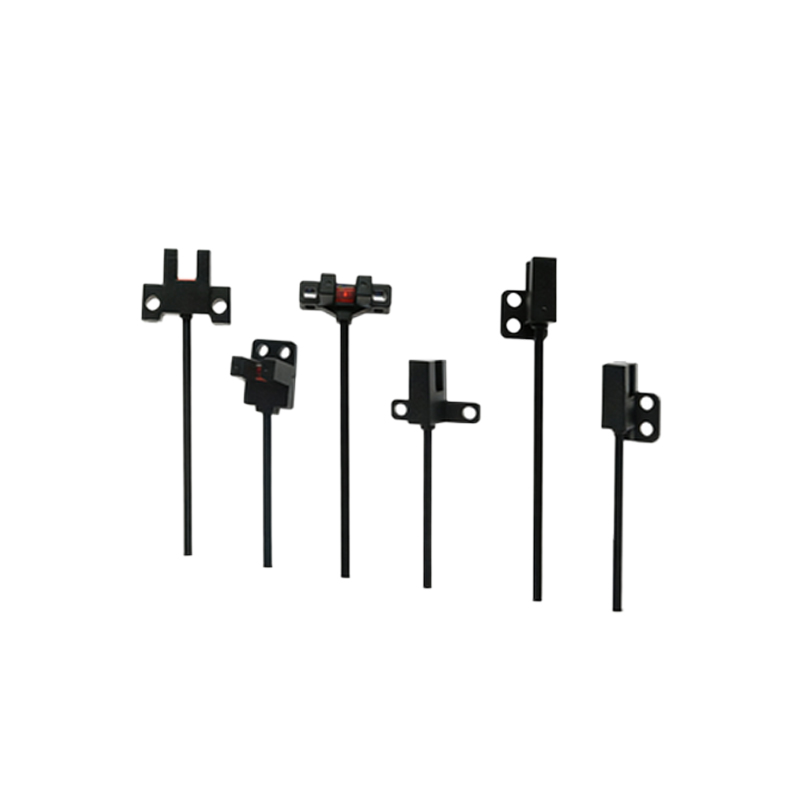
Operating Modes and Sensing Principles
The MIAD9D sensor can be configured in several standard operating modes, each suitable for different application scenarios. In the through-beam (or opposed) mode, the transmitter and receiver are housed in separate units. An object is detected when it interrupts the light beam traveling from the emitter to the receiver. This mode offers the longest sensing range and highest reliability. The retro-reflective mode uses a single housing containing both emitter and receiver, along with a specialized reflector. Detection occurs when an object blocks the light beam reflected back from the reflector. This mode simplifies installation. Finally, the diffuse (or proximity) mode relies on the reflection of light directly from the target object itself back to the receiver within the same unit. While sensing distance is shorter and can be influenced by the object's color and surface texture, this mode requires only a single device and no separate reflector, offering great installation flexibility for close-range detection.
Key Performance Characteristics and Advantages
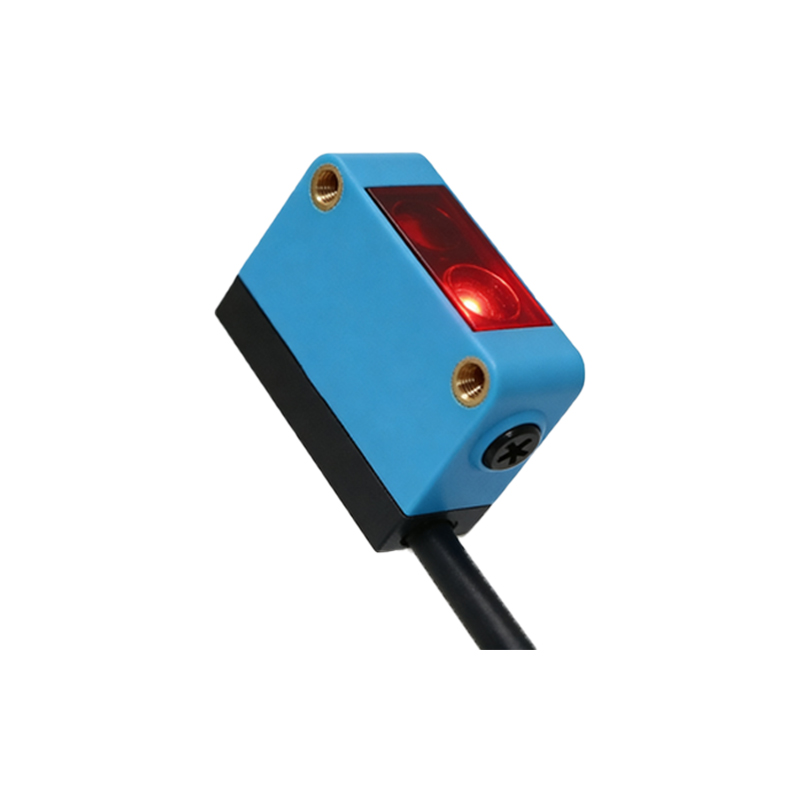
Performance is paramount in industrial settings, and the MIAD9D is designed to deliver. It typically boasts a fast response time, often in the millisecond range, enabling detection of objects on high-speed production lines. Its high switching frequency allows for accurate counting of rapidly moving items. A significant advantage is its insensitivity to ambient light, achieved through modulated LED light and sophisticated receiving circuitry that filters out constant light sources, ensuring stable operation under varying lighting conditions. The housing is frequently rated with a high Ingress Protection (IP) rating, such as IP67, indicating complete protection against dust and protection against temporary immersion in water. This ruggedness, combined with a wide operating temperature range, ensures consistent performance in demanding environments like food processing, outdoor logistics, or metalworking facilities, minimizing downtime and maintenance needs.
Typical Industrial Application Scenarios
The practical utility of the MIAD9D sensor is demonstrated across numerous industrial sectors. In packaging machinery, it is used to detect the presence of boxes on a conveyor, trigger label application, or verify cap placement on bottles. Within automotive assembly lines, these sensors ensure components are correctly positioned for robotic welding or assembly. In palletizing and depalletizing systems, they detect the height of a stack or the presence of a pallet. They are also crucial for level detection in silos or tanks, controlling fill levels for granular materials or liquids. Furthermore, in electronic manufacturing, the precise beam of a focused MIAD9D variant can detect tiny components on circuit boards or verify the insertion of connectors. Its reliability in detecting transparent objects, like glass or plastic films, is also a valued feature in many industries.
Installation, Alignment, and Troubleshooting Guidelines
Proper installation is critical for optimal sensor performance. The sensor must be securely mounted to avoid misalignment from vibration. For through-beam and retro-reflective types, precise alignment between the emitter, receiver, and/or reflector is essential; the visible red beam aids significantly in this process. The sensing range should account for the target object's size, color, and surface finish, often requiring a safety factor. Common troubleshooting steps include verifying power supply voltage, checking for loose wiring connections, ensuring the load current does not exceed the sensor's rating, and cleaning the lens from accumulated dirt or debris that could attenuate the light signal. Observing the status LED provides immediate diagnostic information about power, output state, and sometimes signal strength, allowing for rapid fault identification and resolution in the field.
Comparison and Selection Considerations
When selecting a sensor like the MIAD9D, engineers must compare it with alternatives such as inductive proximity sensors (for metals only), capacitive sensors (for liquids and non-metals), or ultrasonic sensors (for longer ranges and harsh conditions). The key decision factors include the target material (photoelectric sensors detect nearly all materials), required sensing distance, required precision (spot size), environmental conditions (temperature, contaminants), required response speed, and electrical interface. The MIAD9D's strength lies in its versatility for detecting diverse objects at a moderate range with high speed and environmental robustness. Consulting the manufacturer's detailed datasheet for specific model numbers is imperative to confirm exact specifications, dimensional drawings, and application notes for a successful integration into any control system.