Introduction to Transmissive Photoelectric Sensors
Transmissive photoelectric sensors, often referred to as through-beam sensors, are fundamental components in industrial automation and measurement systems. These devices operate on a straightforward yet highly effective principle: they consist of two separate units—an emitter and a receiver. The emitter projects a beam of light, typically from an LED or laser diode, across a defined gap toward the receiver. The receiver detects this light beam. When an object passes between the two units, it interrupts the light beam. This interruption is detected by the receiver, which then triggers an electrical signal change in the sensor's output circuit. This simple on/off detection mechanism forms the basis for a wide array of measurement and control tasks. The key advantage of this configuration is its high reliability and long sensing distance, as the emitter and receiver are precisely aligned during installation.
Core Operating Principles and Components
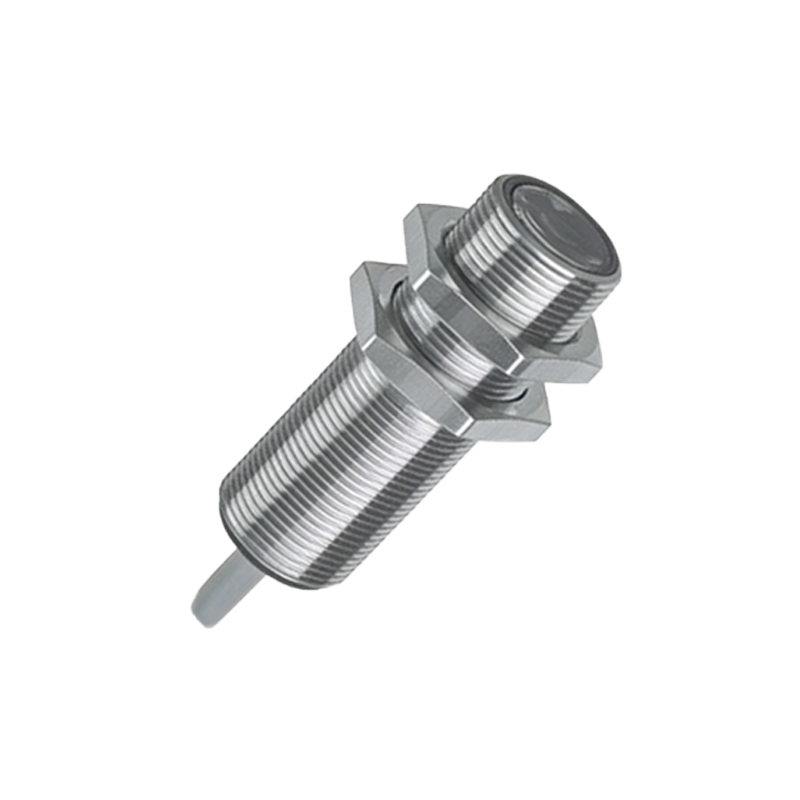
The functionality of a transmissive photoelectric sensor hinges on its core components. The emitter contains a light source, which is modulated at a specific frequency to enhance immunity to ambient light interference. Common light sources include visible red, infrared, and laser light, chosen based on application requirements for precision, range, and environmental conditions. The receiver houses a phototransistor or photodiode that is sensitive to the wavelength of the emitted light. A critical component is the optical lens system in both units, which collimates the light into a focused beam, ensuring energy efficiency and accurate beam targeting. The receiver's circuitry is tuned to the emitter's modulation frequency, allowing it to ignore stray light from other sources. This modulated light principle is what enables stable operation even in environments with variable lighting conditions, such as factories with overhead lighting.
Key Performance Characteristics for Measurement
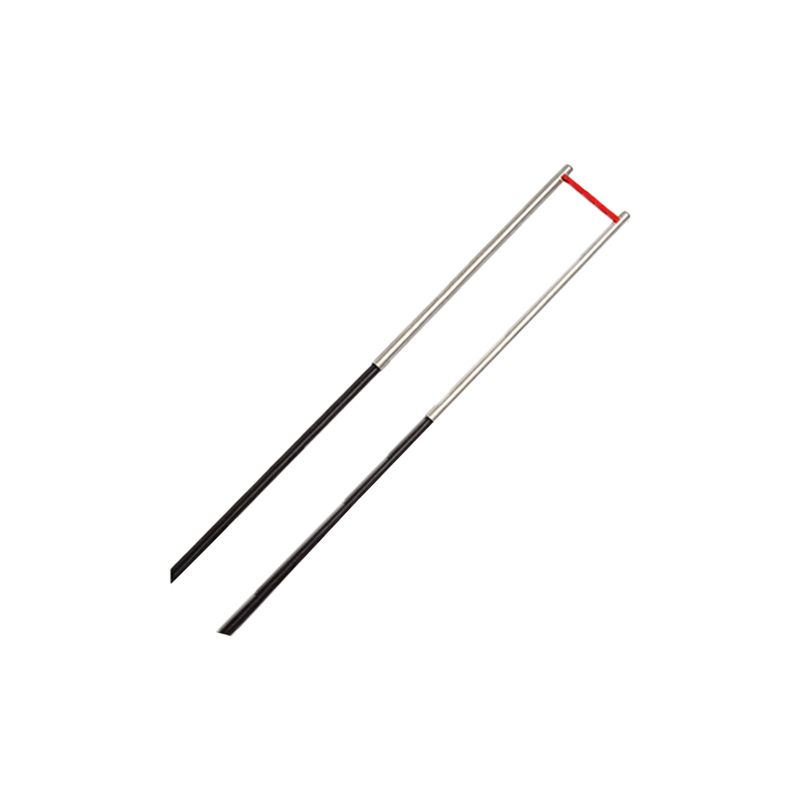
When deployed for measurement purposes, several performance parameters are paramount. Sensing distance, or the maximum gap between emitter and receiver, is a primary specification, often ranging from a few centimeters to several meters. Response time, measured in milliseconds or microseconds, determines how quickly the sensor can detect an interruption and change its output state, which is critical for high-speed counting or timing applications. Beam spot size influences measurement resolution; a smaller, more focused beam allows for the detection of very small objects or precise edge detection. Additionally, factors like environmental resistance (to dust, water, or chemicals per IP ratings) and temperature operating range are crucial for reliability in harsh industrial settings. Understanding these specifications is essential for selecting the correct sensor for a given measurement task.
Primary Measurement and Control Applications
The application of transmissive sensors in measurement is vast. One of the most common uses is object counting on production lines, where each interruption of the beam increments a counter. They are also extensively used for presence/absence verification to ensure a component is in place before a machine cycle begins. In packaging machinery, they measure material web breakage by monitoring a continuous beam. Speed measurement can be achieved by combining the sensor with an encoder wheel featuring slots; the beam interruptions per unit time calculate rotational speed. Furthermore, they serve in dimensional checking, where the time an object blocks the beam, combined with known conveyor speed, can infer object length. These applications underscore their role as a versatile and reliable primary data source for control systems.
Advantages Over Other Sensing Technologies
Compared to other photoelectric modes like retro-reflective or diffuse reflective sensors, the transmissive type offers distinct benefits. It provides the longest possible sensing range for a given power output because the light travels directly from emitter to receiver without relying on reflection from a target. This results in a very consistent and strong signal. It is also largely unaffected by the color, reflectivity, or surface finish of the target object—it simply detects whether the beam is blocked or not. This makes it ideal for detecting transparent or glossy objects that might challenge reflective sensors. The physical separation of components also allows for creative mounting solutions in tight spaces. However, the need to install and align two separate units can be a drawback compared to single-unit sensors.
Critical Installation and Alignment Considerations
Proper installation is vital for optimal performance. The emitter and receiver must be mounted securely on opposite sides of the detection path, ensuring they are perfectly aligned so that the receiver is within the beam's central cone. Misalignment is a leading cause of sensor failure. Many modern sensors feature alignment indicators, such as LED signals that change color or brightness when optimal alignment is achieved. Brackets and mounting accessories designed for precise adjustment are highly recommended. The sensor must be positioned to avoid mechanical vibration that could disturb alignment over time. Additionally, the optical lenses must be kept clean from dust, oil, or debris, which can attenuate the light beam and reduce operational reliability. Regular maintenance checks for alignment and lens cleanliness are standard practice.
Integration with Measurement and Control Systems
The output from a transmissive sensor is typically a digital switch signal (PNP/NPN or relay). This signal is easily interfaced with Programmable Logic Controllers (PLCs), counters, timers, or data acquisition systems. For basic measurement tasks like counting, the sensor's pulses are fed directly into a high-speed counter input on a PLC. For more complex measurements, such as calculating speed or length, the sensor's signal is used in conjunction with other data (like a timer or encoder feedback) within the control system's logic or software. Ensuring electrical compatibility (voltage levels, current sourcing/sinking) and proper wiring to avoid noise interference are essential steps in system integration. Shielded cables are often used in electrically noisy environments.
Future Trends and Technological Developments
The evolution of transmissive photoelectric sensors continues alongside advancements in industrial IoT and smart manufacturing. Future trends include the integration of IO-Link communication, which allows sensors to transmit not just a switch signal but also diagnostic data (like lens contamination levels, operating temperature, and device health) to the control system, enabling predictive maintenance. There is also a push toward miniaturization without sacrificing sensing range or robustness, allowing installation in increasingly compact machinery. Enhanced background suppression techniques and even higher modulation frequencies will improve performance in challenging environments with intense ambient light. The core principle remains unchanged, but smarter, more connected, and more resilient sensors will further solidify their role in precise industrial measurement.