What is Photoelectric Sensor Sensitivity?
Photoelectric sensor sensitivity refers to its ability to reliably detect a target object under varying operational conditions. It is not a single, fixed value but a complex interplay of factors that determine the sensor's performance threshold. At its core, sensitivity defines the minimum amount of light signal change the sensor's receiver can distinguish from ambient noise to trigger a stable output. A highly sensitive sensor can detect very small, faint, or distant objects, while a less sensitive one requires a more substantial interruption or reflection of the light beam. This characteristic is paramount in applications involving transparent materials, small objects, long sensing distances, or challenging environmental conditions like dust or mist. Manufacturers often provide sensitivity adjustment potentiometers or teach-in functions, allowing engineers to fine-tune the sensor's response to the specific application, ensuring reliable detection without false triggers from background interference.
Key Factors Influencing Sensitivity
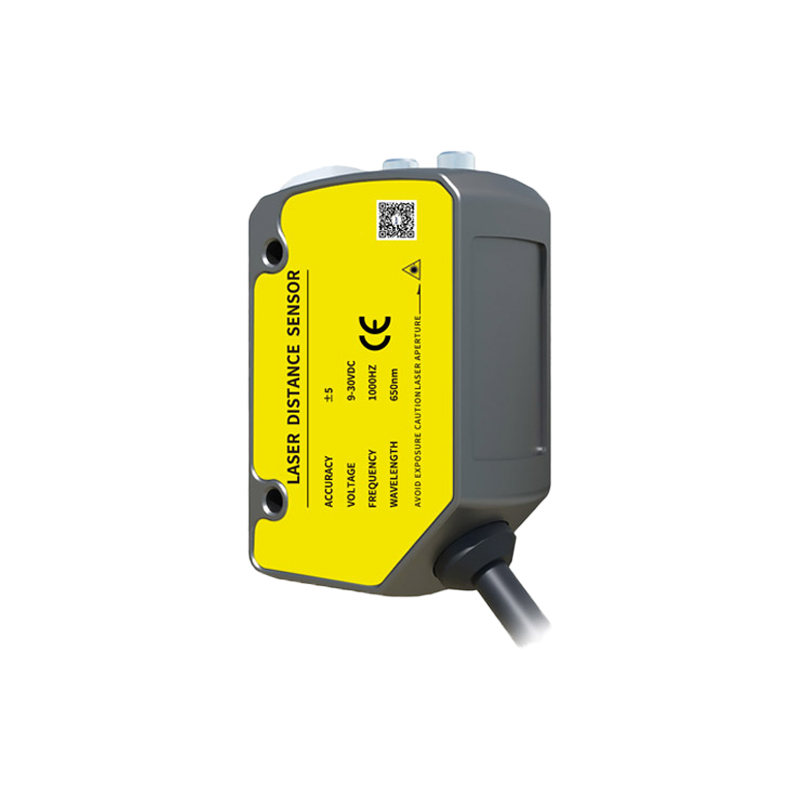
Several critical factors directly impact the effective sensitivity of a photoelectric sensor. First is the light source type. Modern sensors primarily use LEDs, with red light, infrared, and laser being common. Laser sensors, due to their highly collimated beam, offer exceptional sensitivity for precise, long-range detection. Infrared is often used for its invisibility and good penetration of certain materials. Second, the sensing mode plays a huge role. Through-beam sensors, with separate emitter and receiver, generally offer the highest sensitivity and longest range because the receiver gets a strong, direct signal. Retro-reflective sensors rely on a reflector and are sensitive to the reflectivity of the target. Diffuse sensors, which detect light reflected directly from the target, are most susceptible to target color, material, and surface finish, directly affecting their sensitivity requirements. Environmental light, dust, dirt on lenses, voltage fluctuations, and temperature extremes can all degrade effective sensitivity.
Sensitivity vs. Stability: Finding the Balance
A common challenge in application engineering is balancing high sensitivity with operational stability. Maximizing sensitivity might allow detection of a transparent film, but it could also make the sensor prone to triggering from airborne dust, vibrations, or subtle background light changes. Therefore, optimal setup involves adjusting the sensitivity to the lowest reliable level that consistently detects the target. This practice, often called "margin setting," builds in a safety buffer. Engineers should test the sensor under worst-case conditions—such as the dirtiest lens state, lowest expected supply voltage, highest ambient temperature, and the target with the poorest reflectivity or smallest size. Modern sensors with advanced features like background suppression (BGS) or foreground suppression (FGS) use triangulation principles to measure distance rather than light intensity, providing excellent stability and sensitivity independent of the target's color or reflectivity.
How to Test and Adjust Sensitivity
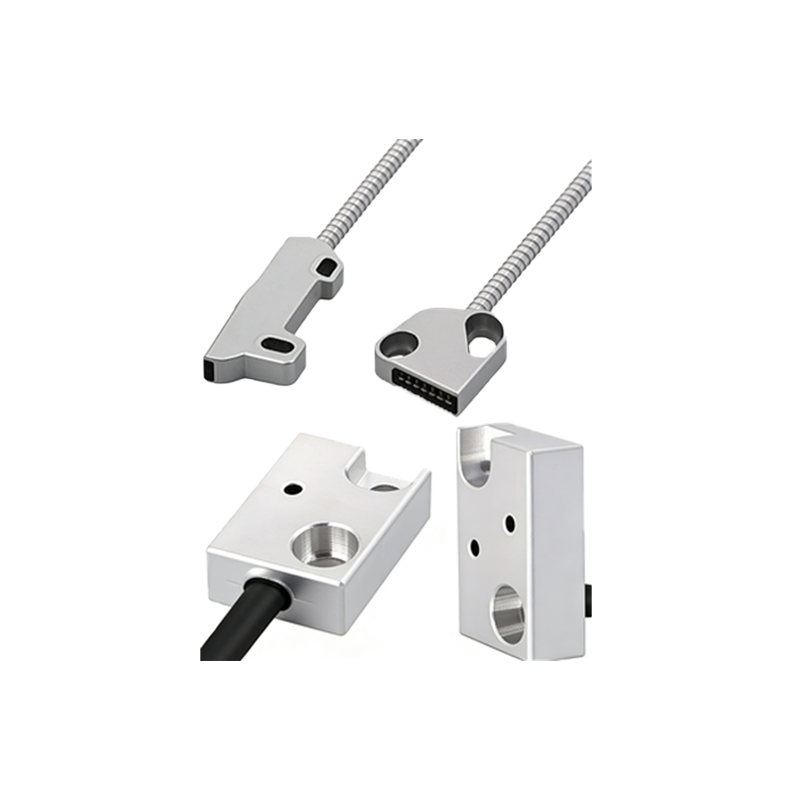
Most photoelectric sensors come with a manual sensitivity adjustment or an automatic teach-in function. For manual adjustment, a potentiometer is turned while observing the sensor's output indicator LED. The typical procedure involves placing the target object in the sensing position and adjusting until the output just reliably triggers. Then, remove the target and ensure the output turns off. It is good practice to then reduce the sensitivity slightly to create a stability margin. For teach-in sensors, the process is automated: the user presents the target to the sensor (and sometimes also the background), and the sensor internally sets its threshold. Advanced sensors with digital communication (IO-Link) allow remote monitoring of the received light intensity, enabling predictive maintenance by tracking signal strength degradation over time, which indicates lens contamination or LED aging.
Application-Specific Sensitivity Considerations
Sensitivity requirements vary dramatically across industries. In packaging, detecting clear plastic wraps or glass bottles demands high sensitivity. In electronics assembly, sensing tiny components or thin wires requires precise, focused beams. For logistics and material handling, sensors must maintain sensitivity despite heavy dust and vibration. In food and beverage, sensors often need to ignore foam or detect liquid levels through transparent walls. Long-range applications, such as warehouse vehicle detection or large object positioning, require sensors with high sensitivity to maintain a strong signal over distance. Understanding the specific application's challenges—target properties, required sensing distance, environmental contaminants, and required response speed—is essential for selecting a sensor with the appropriate inherent sensitivity and features to perform reliably.
Technological Advancements Enhancing Sensitivity
Technological innovations continue to push the boundaries of photoelectric sensor sensitivity and intelligence. Pulse-modulated LED light sources, combined with synchronous receiver circuits, make sensors highly immune to ambient light, allowing them to operate sensitively in brightly lit areas. CMOS imaging receivers in advanced sensors enable precise background suppression and shape recognition. Laser class 1 sensors provide intense, visible spots for precise alignment and high sensitivity without safety concerns. Furthermore, sensors with built-in diagnostics and analog outputs can provide a continuous measure of signal strength, giving direct insight into sensitivity performance. These advancements allow modern photoelectric sensors to solve increasingly delicate detection tasks with greater robustness and reliability than ever before.