Understanding the Core Principle of Photoelectric Sensing
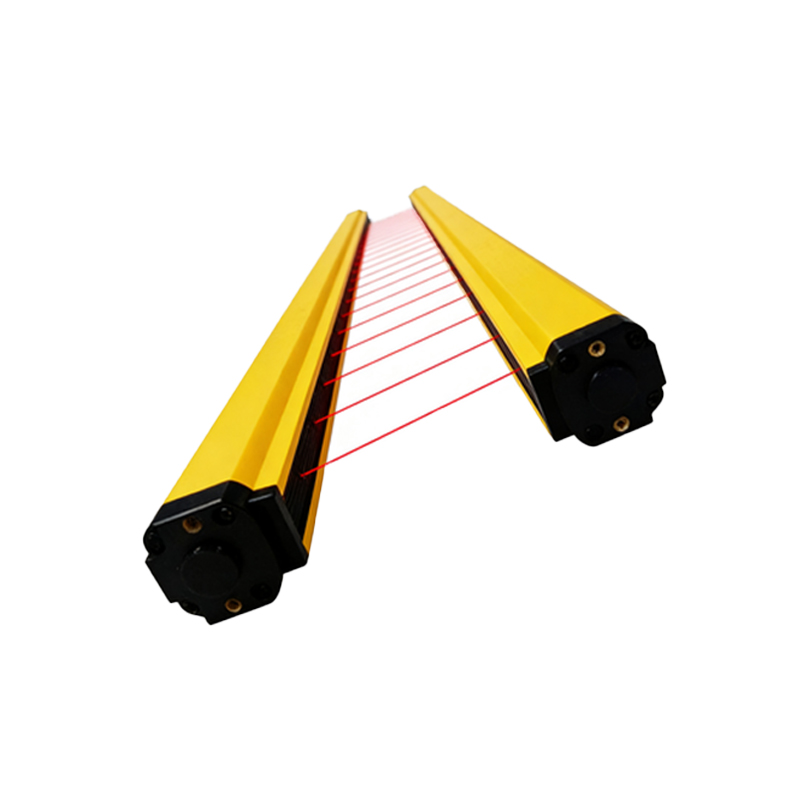
Photoelectric sensors operate on a seemingly straightforward principle: they emit a beam of light (visible, infrared, or laser) and detect changes in the received light to determine the presence, absence, or position of an object. This light can be transmitted directly (through-beam), reflected off a target (diffuse reflective), or bounced off a fixed reflector (retro-reflective). The accuracy of this system hinges on the precise interpretation of the light signal. However, this fundamental process is susceptible to numerous environmental and physical variables that can distort the signal, leading to inaccurate readings. The core challenge lies not in the principle itself, but in maintaining signal integrity in real-world industrial conditions.
Common Culprits Behind Inaccurate Sensor Performance
Several factors routinely compromise sensor accuracy. Contamination is a primary enemy; dust, oil mist, or debris accumulating on the sensor's lens or the reflector can attenuate the light beam, causing false "absent" signals or reducing the effective sensing range. Ambient light interference is another major issue. Powerful external light sources, such as sunlight or welding arcs, can flood the receiver, masking the sensor's own signal and triggering false "present" readings. The characteristics of the target object itself are critical. Variations in color, reflectivity, surface finish (matte vs. glossy), and even the angle of approach can dramatically alter how much light is reflected back to the receiver. A shiny black object might absorb most of the light, while a white, textured one might scatter it unpredictably.
The Impact of Environmental and Electrical Noise
Industrial environments are electrically noisy. Electromagnetic interference (EMI) from motors, variable frequency drives (VFDs), or welding equipment can induce noise in the sensor's circuitry or cabling, leading to erratic switching and unreliable output. Voltage fluctuations in the power supply can also affect the stability of the light emitter and the sensitivity of the receiver circuit. Furthermore, physical vibrations can cause momentary misalignment in through-beam or retro-reflective setups, resulting in intermittent failures. Temperature extremes can affect both the electronic components and the optical properties of the materials, potentially shifting the sensor's operating parameters outside its specified range.
Selecting the Right Sensor for the Application
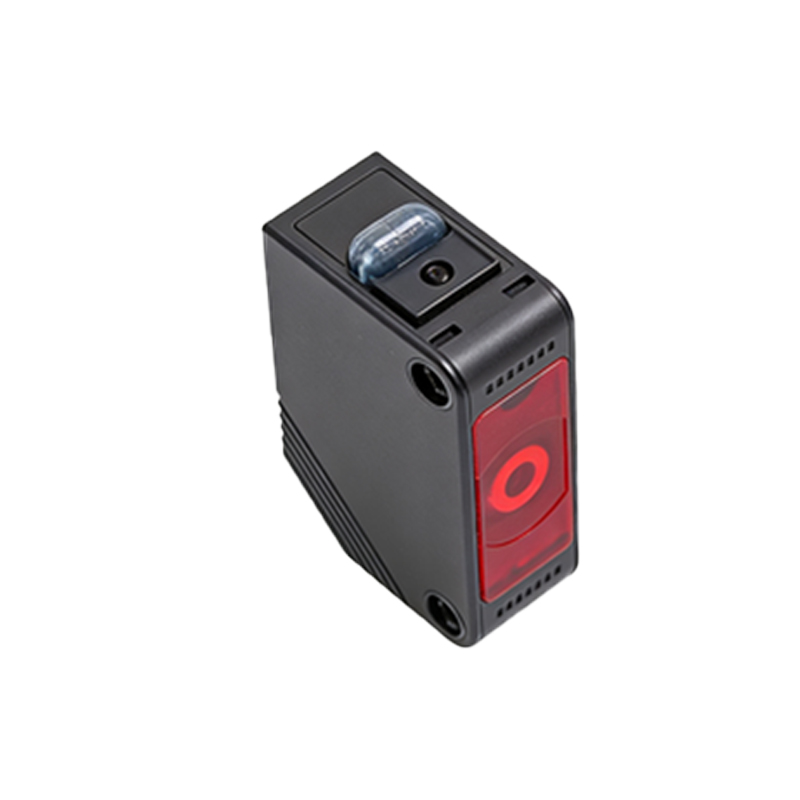
A significant source of inaccuracy is simply using the wrong type of sensor for the job. A diffuse sensor might struggle with a low-reflectivity target where a through-beam sensor would excel. For detecting small or precise positions, a focused, small-spot laser sensor is far more accurate than a standard diffuse sensor with a large, divergent beam. Background suppression sensors are specifically designed to ignore objects beyond a set distance, solving problems with highly reflective backgrounds. Understanding the specific requirements—target size, color, required sensing distance, required response time, and environmental conditions—is the first step in selecting a sensor that can deliver accurate performance.
Installation and Alignment: A Critical Step Often Overlooked
Even the best sensor will perform poorly if installed incorrectly. Precise mechanical alignment is paramount for through-beam and retro-reflective types. A misaligned beam can operate intermittently or at a severely reduced range. Sensors must be mounted securely to prevent movement from vibration or accidental impact. The sensing path must be kept clear of potential obstructions that could intermittently block the beam. For diffuse sensors, the mounting distance and angle relative to the target must be carefully considered to avoid issues with the detection threshold and to ensure consistent operation across expected target variations.
Calibration, Configuration, and Maintenance Protocols
Modern photoelectric sensors offer various configuration options like sensitivity adjustment, response time delay, and teach-in functions. Incorrect sensitivity setting is a common error; setting it too high might cause detection of background objects or dust, while setting it too low might cause the sensor to miss the target. Regular calibration against a known standard target is essential for critical applications. A proactive maintenance schedule that includes lens cleaning, checking for physical damage, and verifying alignment can prevent gradual drift into inaccuracy. Implementing environmental protection, such as hoods to shield from ambient light or air blasts to keep lenses clean, is often necessary.
Troubleshooting and Verification Strategies
When inaccuracies occur, a systematic approach is needed. First, verify the basics: power supply, wiring, and output indicator. Use the sensor's built-in stability or signal strength indicator (if available) to check the quality of the received signal. Temporarily introduce a known, ideal target (like a white card) to see if the sensor operates correctly, isolating whether the issue is with the sensor or the target. Check for recent environmental changes: new equipment causing EMI, changes in lighting, or different target materials. Data logging or an oscilloscope can be invaluable tools to capture intermittent faults that are difficult to observe directly.
Advancements in Sensor Technology Mitigating Inaccuracy
Sensor manufacturers continuously develop technologies to combat these classic problems. Background suppression (BGS) and foreground suppression (FGS) using triangulation principles provide exceptional accuracy regardless of target color or reflectivity. Polarized filters help sensors ignore light reflections from shiny surfaces. Fiber optic units allow the amplifier to be placed away from harsh environments while using small, durable sensing heads. Sensors with advanced diagnostics can communicate over IO-Link, providing real-time data on signal strength, temperature, and contamination levels, enabling predictive maintenance and much finer tuning, thereby pushing the boundaries of achievable accuracy in challenging applications.