Introduction to Through-Beam Photoelectric Sensors
Through-beam photoelectric sensors, also known as opposed-mode sensors, represent a fundamental and widely utilized category in industrial automation. These devices operate on a straightforward yet highly effective principle: a separate emitter and receiver are positioned opposite each other. The emitter projects a beam of light—typically infrared, visible red, or laser—directly towards the receiver. The primary function is to detect the presence or absence of an object that interrupts this continuous light beam. This interruption causes the receiver's output state to change, triggering a control signal. Due to their distinct physical separation, these sensors offer the longest sensing ranges and highest excess gain among photoelectric sensor types, making them exceptionally reliable for precise detection tasks even in challenging environments with dust, mist, or target surface variations. Their robustness and simplicity have cemented their role as a cornerstone technology in material handling, packaging, automotive assembly, and safety systems.
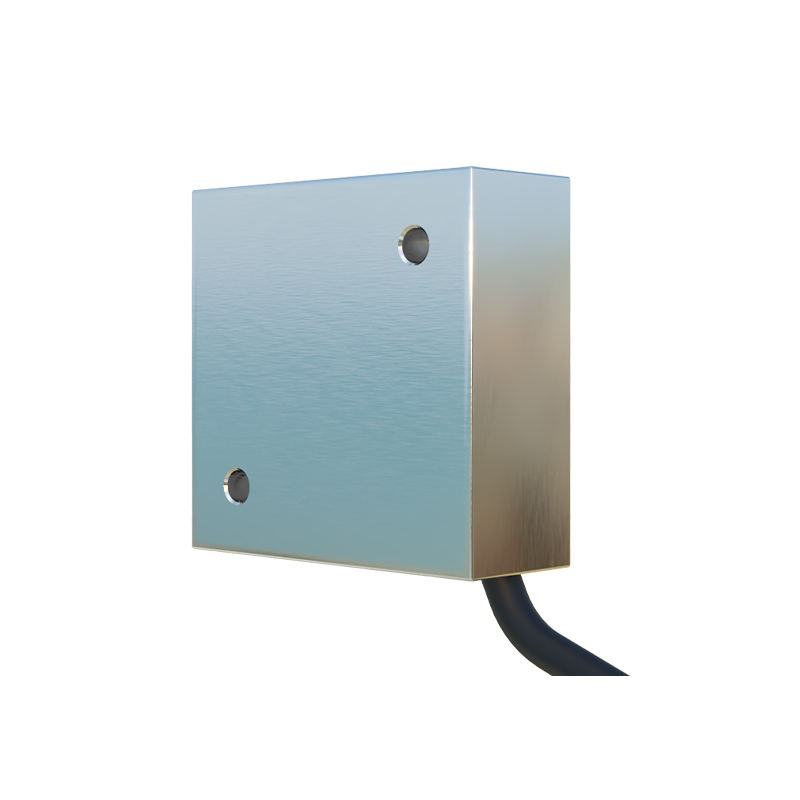
Key Classification by Light Source Type
A primary method for classifying through-beam sensors is based on the type of light source employed in the emitter. Each light source type confers distinct advantages tailored to specific application needs. The most common category is Infrared (IR) Sensors. Utilizing modulated infrared light, these sensors are immune to ambient light interference and are ideal for general-purpose, long-range detection. They are cost-effective and provide excellent performance for most standard applications. Visible Red Light Sensors project a visible beam, which simplifies installation and alignment as the beam path is clearly observable. This feature is invaluable during setup and troubleshooting. For applications demanding extreme precision, Laser Through-Beam Sensors are deployed. They emit a highly focused, collimated laser beam, enabling the detection of very small objects, achieving superior accuracy over very long distances, and providing a precise detection point. The choice of light source directly impacts sensing distance, spot size, and environmental immunity.
Classification by Output Configuration and Function
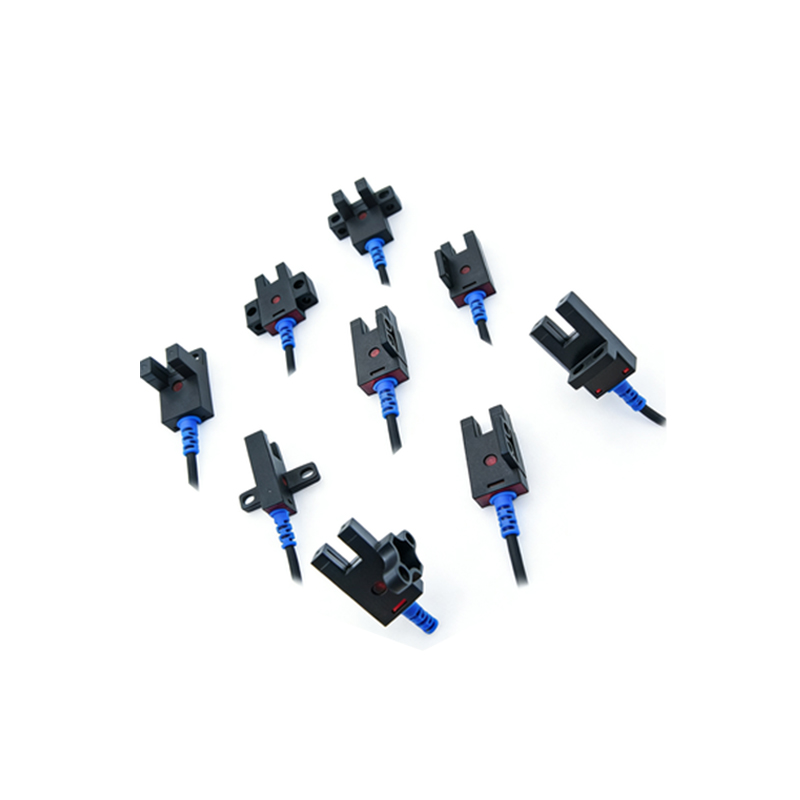
Beyond the light source, through-beam sensors are further categorized by their electrical output configuration and specialized functional logic. The basic division is between Digital (Switch) Outputs and Analog Outputs. Digital output sensors provide a simple ON/OFF signal (e.g., NPN, PNP, or relay contacts) when the beam is blocked or received. They are the most common type for presence detection. Analog output sensors, in contrast, generate a continuous current or voltage signal proportional to the received light intensity, useful for applications like edge guiding or transparency detection. Functionally, Standard Detection Sensors offer basic operation. Background Suppression (BGS) Through-Beam Sensors, a specialized variant, are designed to ignore objects beyond a preset distance, ensuring detection only within a specific range. Furthermore, Safety Light Curtains are a critical classification, consisting of arrays of through-beam sensors creating a protective field to safeguard personnel around hazardous machinery, complying with stringent safety standards like ISO 13849.
Classification by Housing and Mechanical Design
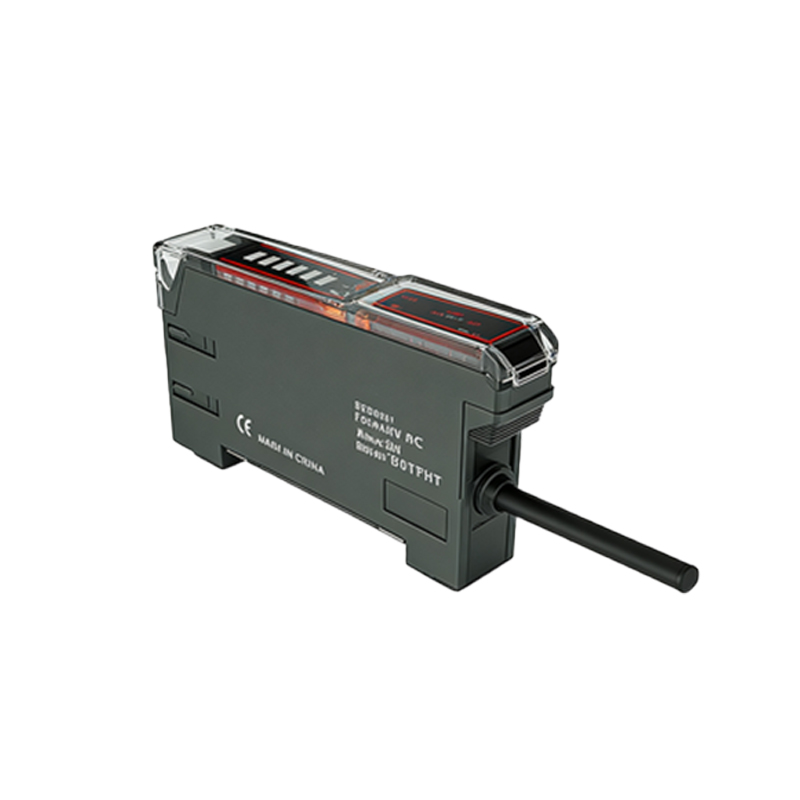
The physical form factor and housing design are crucial for practical installation and environmental protection. This leads to classifications such as Cylindrical (Barrel) Housings and Rectangular (Block) Housings. Cylindrical sensors, typically with M8, M12, M18, or M30 threaded bodies, are versatile and easy to mount in drilled holes. Rectangular housings often offer more mounting flexibility and may integrate alignment aids or multiple output indicators. Another key distinction is between Standard Duty and Heavy-Duty (Robust) Housings. Heavy-duty sensors feature housings made from stainless steel or ruggedized polymers with high IP (Ingress Protection) ratings (e.g., IP67, IP69K), designed to withstand harsh conditions including high-pressure washdown, corrosive chemicals, extreme temperatures, and physical impact. This classification ensures the sensor's longevity and reliability in specific industrial settings like food processing or foundries.
Classification by Specialized Features and Technology
Advancements in technology have led to through-beam sensors with specialized features, creating niche classifications. Fiber Optic Through-Beam Sensors utilize separate emitter and receiver fiber optic cables connected to an amplifier. This allows the sensing heads to be extremely small, immune to electrical noise, and operable in high-temperature or space-constrained locations. UV or Special Spectrum Sensors use ultraviolet or other specific light wavelengths for detecting fluorescent marks, verifying material properties, or operating in environments with specific interference. Synchronized (Multi-Plexed) Sensors are designed to prevent crosstalk when multiple sensor pairs are installed in close proximity. They operate on synchronized or coded light pulses, ensuring that each receiver only responds to its paired emitter. This classification is essential for complex automated systems with dense sensor arrangements.
Application-Based Classification and Selection Criteria
In practice, sensors are often selected and informally classified based on their dominant application. Long-Range Detection Sensors are optimized for distances exceeding 10 meters, even up to several hundred meters, commonly used in warehouse door monitoring or large conveyor systems. Small Object Detection Sensors, often employing laser sources, are designed for pinpoint accuracy in electronics assembly. High-Speed Counting Sensors feature extremely fast response times for counting items on high-speed production lines. The selection criteria stemming from these classifications involve a systematic evaluation: required sensing distance, object size and material, environmental conditions (contaminants, temperature), required response speed, electrical interface, and necessary housing protection. Understanding these classifications empowers engineers to specify the optimal through-beam sensor, ensuring system reliability, efficiency, and cost-effectiveness.
Conclusion and Industry Trends
The classification of through-beam photoelectric sensors is multi-faceted, encompassing light source technology, output function, mechanical design, and specialized features. This structured taxonomy is not merely academic; it provides a critical framework for engineers to navigate the vast product landscape and make informed selection decisions. The ongoing evolution in this field is driven by trends towards miniaturization, enhanced connectivity via IO-Link for diagnostics and parameterization, increased use of laser diodes for precision, and the integration of smarter diagnostics directly into the sensor housing. As Industry 4.0 and smart factory concepts advance, the role of the through-beam sensor remains vital, continuously adapting through these clear classifications to meet the ever-growing demands of modern industrial automation for accuracy, robustness, and intelligence.