Introduction to Photoelectric Sensor Mounts
In the intricate world of industrial automation, photoelectric sensors are indispensable for detecting the presence, absence, or distance of objects without physical contact. However, the reliability and accuracy of these sophisticated devices are profoundly dependent on a seemingly simple component: the sensor mount. A photoelectric sensor mount is the critical interface that securely positions the sensor in its operational environment. It ensures the sensor's optical axis is precisely aligned with the target, protects it from vibration and mechanical shock, and facilitates easy installation and maintenance. Selecting the appropriate mount is not an afterthought but a fundamental engineering decision that directly impacts system performance, longevity, and cost-effectiveness. From harsh factory floors to cleanrooms, the right mount transforms a capable sensor into a robust and reliable solution.
Key Functions and Design Considerations
The primary function of a photoelectric sensor mount extends far beyond mere physical support. Firstly, it provides precise and stable alignment. Even minor deviations in the sensor's angle or position can lead to missed detections or false triggers, especially with long-range or small-target applications. High-quality mounts feature fine adjustment mechanisms—such as slotted holes, swivel balls, or micrometer screws—to achieve this critical alignment. Secondly, mounts offer protection. They act as a first line of defense against environmental hazards like flying debris, coolant splashes, and incidental impacts. Some designs include integrated protective shrouds or are constructed from resilient materials like stainless steel for corrosive environments. Vibration damping is another crucial consideration, as constant shaking can loosen connections and degrade sensor performance over time.
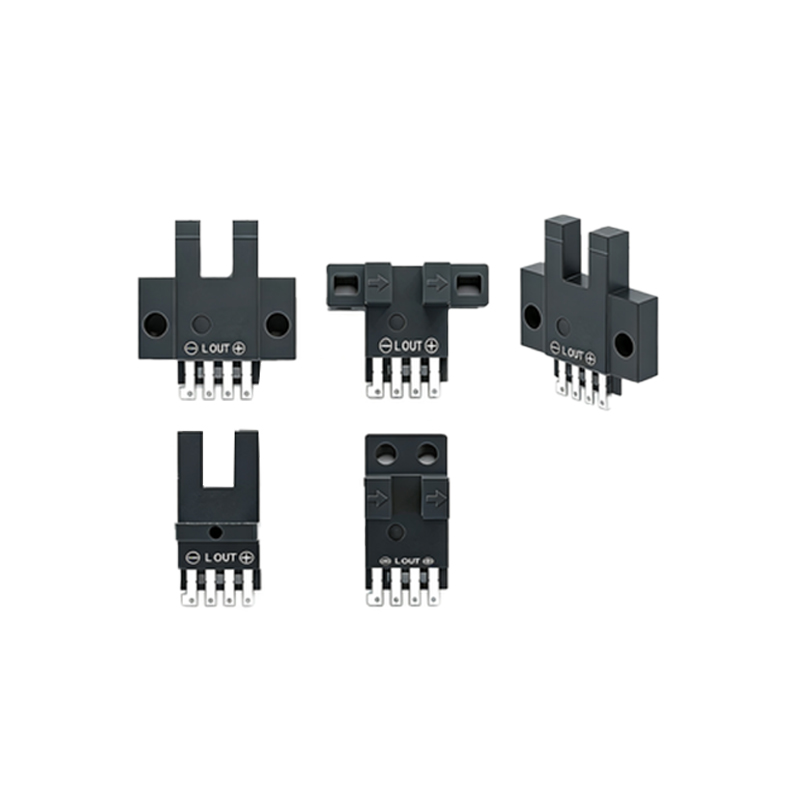
Common Types of Photoelectric Sensor Mounts
The market offers a diverse array of mount types, each suited to specific applications and sensor form factors. Bracket mounts are the most ubiquitous, typically L-shaped or U-channel designs that attach to machinery via bolts or clamps. They are versatile and economical for standard installations. Swivel or ball-joint mounts provide superior flexibility, allowing for multi-axis adjustment. This is ideal for prototyping or in applications where the target position may change. Rod-style mounts consist of a rigid rod that can be clamped at various points, useful for suspending sensors over conveyors or creating custom sensing arrays. Specialty mounts include magnetic bases for quick, tool-free placement on ferrous surfaces, and modular mounting systems that allow for the creation of complex sensing assemblies from standardized components, greatly enhancing design scalability.
Material Selection and Environmental Compatibility
The choice of material for a photoelectric sensor mount is dictated by the operational environment. For general industrial use, zinc-plated steel or aluminum alloys offer a good balance of strength, weight, and cost. Aluminum is particularly favored for its natural corrosion resistance and lighter weight. In food and beverage or pharmaceutical settings, where washdowns with high-pressure, chemical-laden water are routine, mounts made from 316 stainless steel or high-grade plastics are mandatory to prevent corrosion and bacterial growth. In environments with extreme temperatures, whether high heat near furnaces or cryogenic cold, materials must maintain their structural integrity and not become brittle or deform. Engineers must also consider electrical conductivity and the potential for galvanic corrosion when dissimilar metals are in contact.
Installation, Alignment, and Maintenance Best Practices
Proper installation begins with selecting a mounting location that provides a clear, unobstructed line of sight to the target while minimizing exposure to damage. The mounting surface must be rigid; mounting on flexible panels can induce vibration. During alignment, use the sensor's built-in indicator (often an LED) to fine-tune the position for maximum signal strength. It is good practice to slightly "over-travel" the adjustment and then back it off to the peak point to account for mechanical slack. All fasteners should be secured to the manufacturer's specified torque values, and thread-locking compounds may be used in high-vibration areas. Regular maintenance schedules should include checking mount integrity, fastener tightness, and ensuring that alignment has not shifted due to process changes or machine wear. A loose mount is a leading cause of intermittent sensor failure.
Impact on System Performance and ROI
Investing in well-designed, application-specific photoelectric sensor mounts yields a significant return on investment. The most direct impact is on system uptime. A securely mounted sensor is less likely to fail or require realignment, reducing unplanned downtime and maintenance labor costs. Accurate alignment ensures consistent detection, which improves product quality by reducing errors in counting, sorting, or positioning. In high-speed applications, stability is paramount to maintain cycle times. Furthermore, robust mounts protect expensive sensors from premature damage, extending their service life and delaying capital replacement costs. While it may be tempting to use a generic bracket, a purpose-engineered mount solves more problems than it costs, contributing to a more reliable, efficient, and profitable automation system.