When it comes to industrial automation, robotics, or smart devices, ultrasonic proximity sensors are a popular choice for distance measurement and object detection. These sensors use sound waves beyond human hearing to accurately gauge proximity without physical contact. A common question among engineers, hobbyists, and procurement specialists is: "How much does an ultrasonic proximity sensor cost?" The answer isn't straightforward, as prices vary widely based on several factors.
Typically, basic ultrasonic sensors for simple applications like parking assistance or small DIY projects can range from $10 to $50. These entry-level models often have limited range (up to a few meters) and basic output options, such as analog or digital signals. They are suitable for educational purposes or low-demand environments where high precision isn't critical.
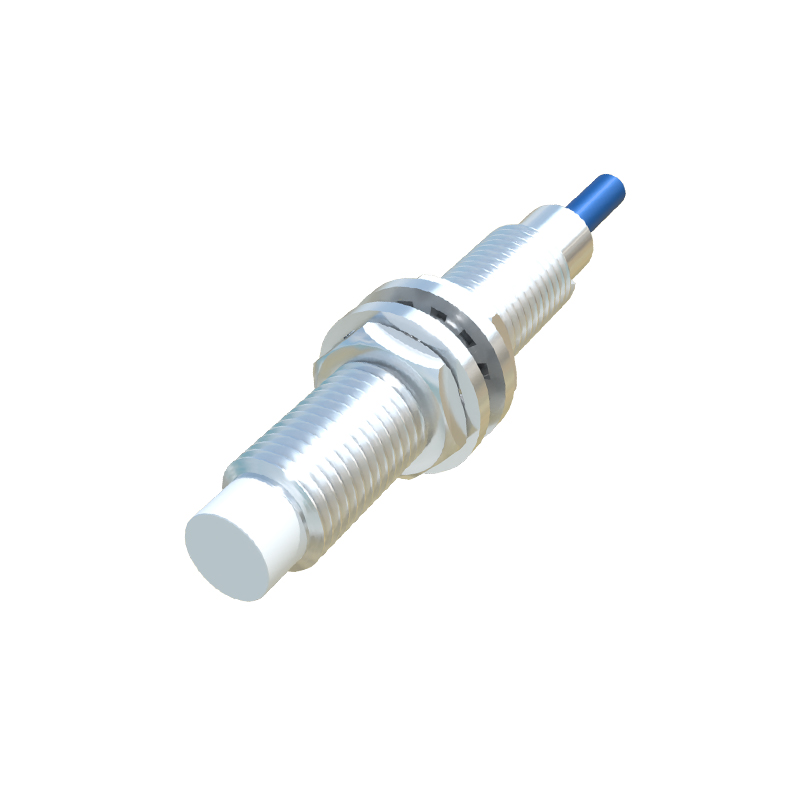
For industrial-grade ultrasonic proximity sensors, prices generally start around $50 and can go up to $300 or more. These sensors offer enhanced features like longer detection ranges (up to 10 meters or beyond), higher accuracy, robust housing for harsh conditions (e.g., IP67-rated enclosures), and advanced connectivity (e.g., IO-Link, Ethernet). Brands like Sick, Pepperl+Fuchs, and Banner Engineering are known for producing reliable industrial sensors, which command higher prices due to their durability and performance.
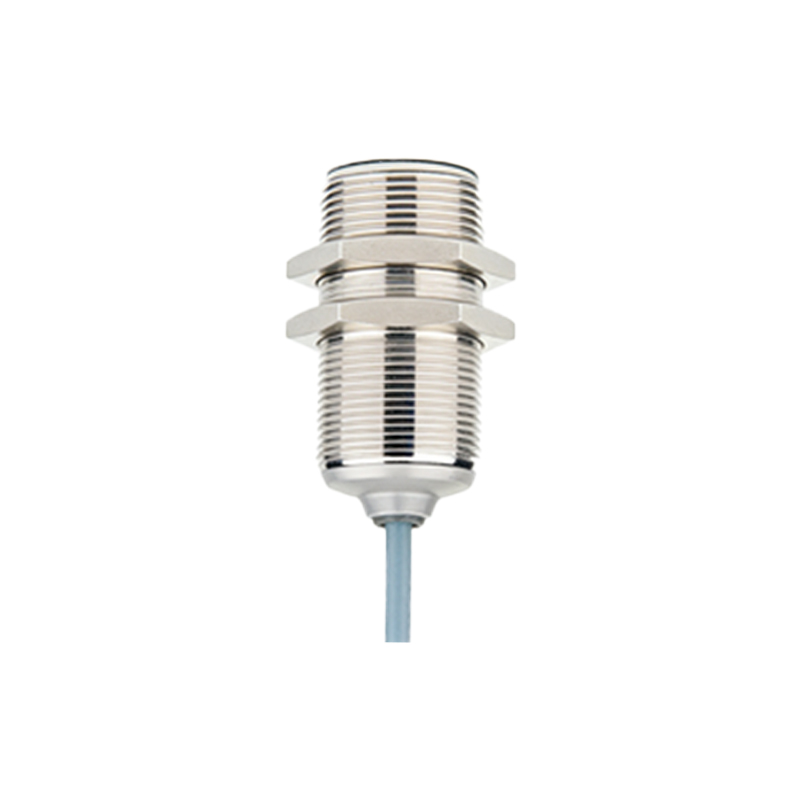
Specialized sensors with unique capabilities, such as high-temperature resistance, multi-object tracking, or integration with specific control systems, may cost over $500. Additionally, factors like brand reputation, certification standards (e.g., CE, UL), and supply chain dynamics can influence pricing. Bulk purchases often lead to discounts, while custom configurations might incur extra charges.
It's also worth considering total cost of ownership. While cheaper sensors might save upfront, they could require frequent replacements or calibration, increasing long-term expenses. Investing in a mid-range or high-end sensor from a reputable supplier often ensures better reliability and support, reducing downtime in critical applications.
In summary, ultrasonic proximity sensor costs depend on application needs, quality, and features. For hobbyists, budget options under $50 suffice, while industrial users should budget $50 to $300+ for dependable performance. Always evaluate specifications and supplier credibility to make a cost-effective choice.