Understanding Proximity Sensor Fundamentals
Proximity sensors are non-contact electronic devices designed to detect the presence or absence of an object within a specified sensing range without physical contact. They operate by emitting an electromagnetic field or a beam of electromagnetic radiation, and then monitoring for changes in the field or return signal. The primary types include inductive sensors for detecting metallic objects, capacitive sensors for detecting both metallic and non-metallic materials, and photoelectric sensors using light beams. The fundamental choice begins with identifying the target material, as this dictates the underlying sensing technology required for reliable operation in industrial environments. Selecting the wrong type is the most common cause of sensor failure or erratic performance.
Key Parameter 1: Sensing Distance
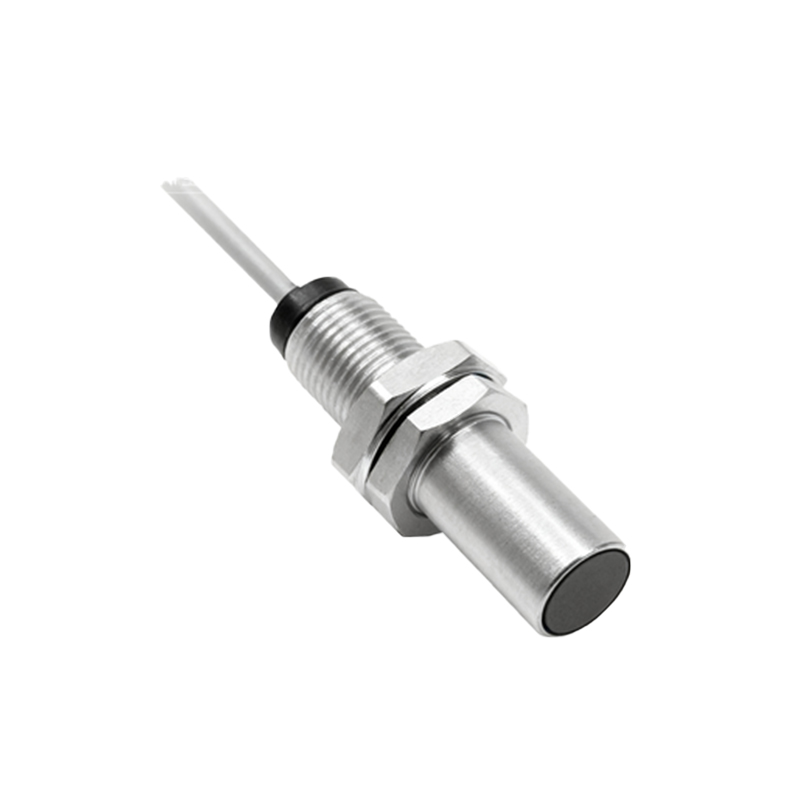
The sensing distance, often labeled as the nominal or rated operating distance (Sn), is arguably the most critical parameter. It defines the maximum distance at which the sensor can reliably detect a standard target. Engineers must never operate the sensor at its absolute maximum rating. A crucial rule is to derate the nominal sensing distance, typically using only 60-80% of Sn, to account for environmental factors like temperature fluctuations, voltage supply variations, and target material inconsistencies. For inductive sensors, the target material's properties (e.g., steel, aluminum, brass) significantly affect the actual sensing range, as stated in reduction factors provided in datasheets. Always verify the effective sensing distance under your specific application conditions.
Key Parameter 2: Output Configuration and Electrical Interface
Output type determines how the sensor communicates its detection state to the control system. The main configurations are NPN (sinking) and PNP (sourcing) for DC sensors, and AC two-wire or three-wire models. NPN is common in Asia and some European markets, while PNP is prevalent in North America and other regions; compatibility with your PLC's input card is essential. Furthermore, the output function can be normally open (NO) or normally closed (NC), defining the signal state when no target is present. The electrical specifications—operating voltage range, current consumption, and load current—must match the power supply and the connected load to prevent damage or malfunction.
Key Parameter 3: Response Time and Switching Frequency
This parameter defines the sensor's speed. Response time is the delay between the target entering the sensing field and the output signal change. Switching frequency, measured in Hertz (Hz), indicates how many on/off cycles the sensor can perform per second. High-speed applications, such as counting small parts on a fast conveyor or detecting gear teeth, demand sensors with very short response times (often in microseconds) and high switching frequencies. For slower processes, this is less critical. Exceeding the sensor's frequency capability will result in missed detections, leading to process errors and potential quality issues.
Key Parameter 4: Environmental Ratings and Housing
Industrial environments are harsh. Key ratings include Ingress Protection (IP) codes (e.g., IP67, IP69K) for resistance to dust and water, temperature range for operation and storage, and resistance to specific chemicals or oils. The housing material, typically nickel-plated brass, stainless steel, or PBT plastic, must withstand physical impacts, vibration, and washdown procedures. For welding applications, sensors require special weld-field immunity to resist interference from high magnetic fields. Ignoring these ratings can lead to premature sensor failure, costly downtime, and safety hazards.
Key Parameter 5: Mounting and Physical Dimensions
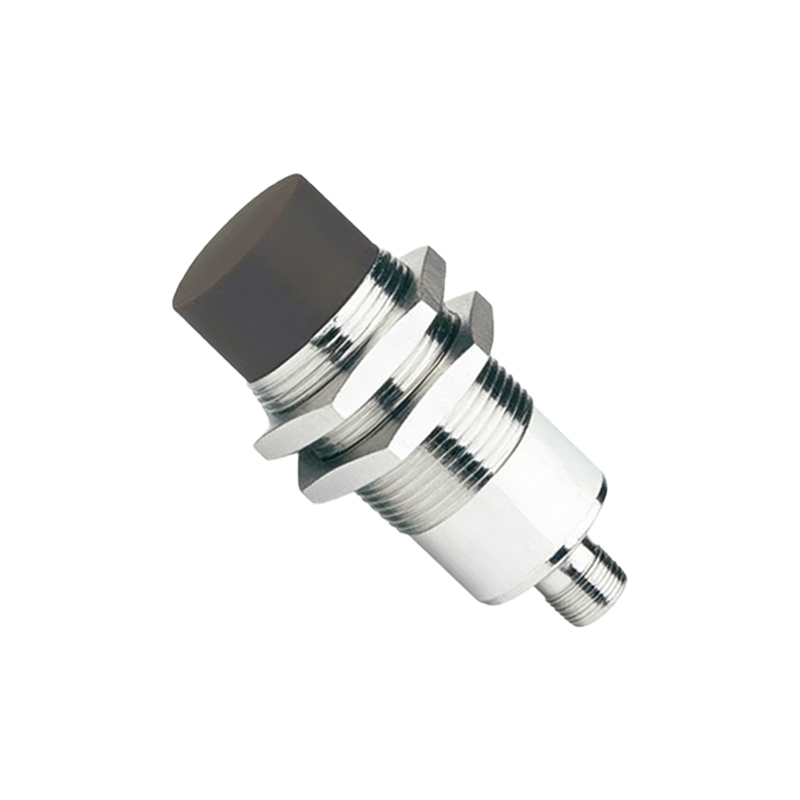
The sensor's form factor must fit the mechanical constraints of the application. Key considerations include barrel-style (threaded cylindrical) versus block-style housings, flush or non-flush mounting capability for inductive sensors, and specific mounting brackets. Flush-mountable sensors can be embedded in metal without loss of sensing range, whereas non-flush sensors offer longer ranges but require clearance around the sensing face. Accurate mechanical drawings from the datasheet are necessary to ensure proper fit and to avoid interference with moving parts or other equipment.
Key Parameter 6: Additional Features and Diagnostics
Modern proximity sensors offer advanced features that enhance functionality and simplify maintenance. These include short-circuit protection, reverse polarity protection, and overload protection. Many sensors now incorporate LED indicators for power and output status, which are invaluable for troubleshooting. Some models feature IO-Link communication, enabling digital parameter setting, advanced diagnostics, and process data reporting directly to the control system. While these features may increase initial cost, they can significantly reduce total cost of ownership through improved uptime and predictive maintenance capabilities.
Systematic Selection Procedure
A disciplined selection process prevents errors. First, define the target material, size, and required sensing distance. Second, select the sensor technology