Introduction to Long Photoelectric Sensors
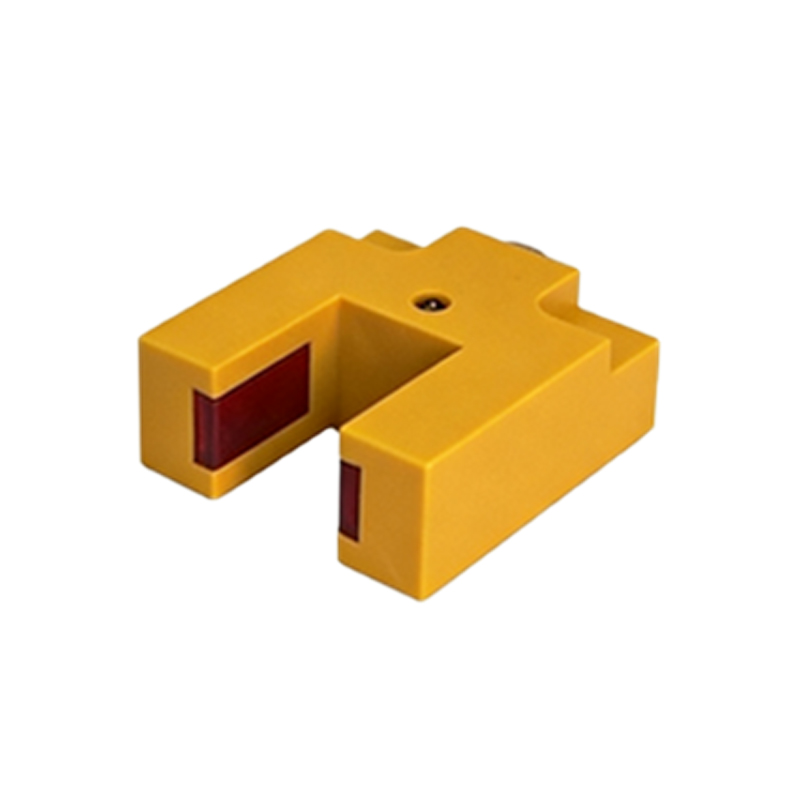
Long photoelectric sensors, often referred to as long-range or bar-type sensors, are specialized devices designed for detection over extended distances or across wide areas. Unlike their compact counterparts, these sensors feature an elongated housing that separates the emitter and receiver by a significant distance, sometimes up to several meters. This design is crucial for applications requiring detection across conveyor belts, large entryways, or for monitoring the presence or absence of objects with substantial dimensions. The core technology remains based on the principle of emitting a beam of light—typically infrared, visible red, or laser—and detecting its interruption or reflection. The "long" form factor is not merely aesthetic; it provides structural stability for precise optical alignment over distance, which is paramount for reliable operation in harsh industrial environments characterized by vibration, temperature fluctuations, and dust.
Key Components Influencing Price
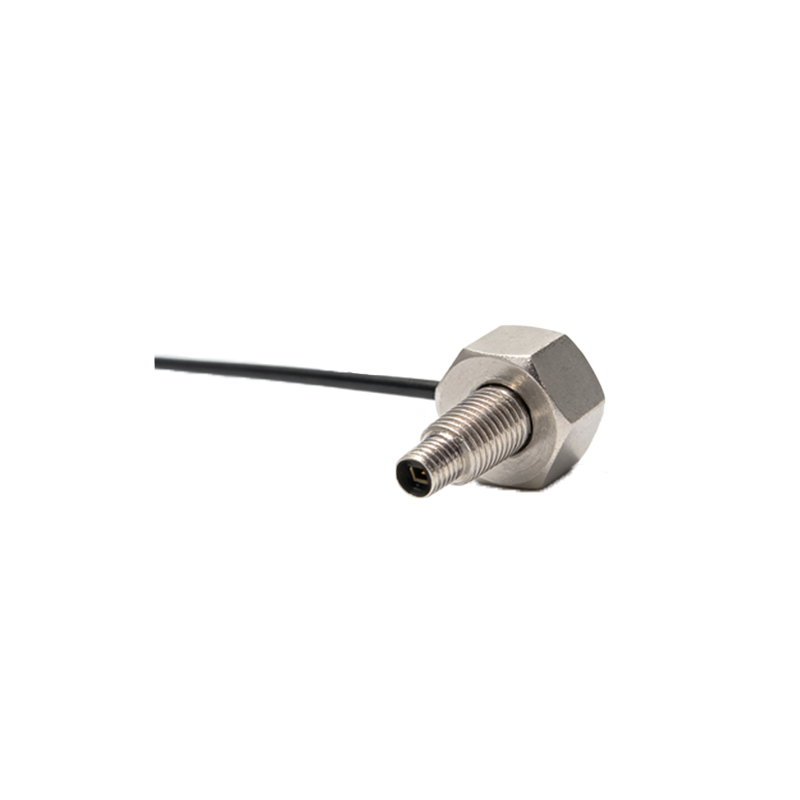
The price of a long photoelectric sensor is not a single figure but a reflection of its constituent parts and their quality. The light source is a primary differentiator; standard infrared LEDs are the most economical, while high-precision, focused laser diodes command a premium due to their exceptional accuracy and long-range capabilities. The quality of the lens system, which collimates the light beam, directly impacts performance and cost. Higher-grade optics ensure a stable, consistent beam profile over the specified sensing range. The housing material is another critical factor. Sensors designed for washdown environments in food and beverage processing, made from high-grade stainless steel (e.g., V4A/AISI 316L), are significantly more expensive than those with standard IP67-rated plastic or anodized aluminum housings for general factory use. Finally, the integrated electronics, including the amplifier and output circuitry, vary. Models with advanced diagnostics, programmable logic, and multiple output types (NPN, PNP, analog, IO-Link) add layers of functionality and cost.
Technology Type and Cost Correlation
The sensing mode is a major price determinant. Through-beam sensors, consisting of separate emitter and receiver units, offer the longest range and highest reliability for detection. They are often priced as a pair, and their cost increases with required range and housing durability. Retro-reflective sensors, which use a reflector, provide a good balance of performance and cost for medium-range applications. Diffuse reflective sensors, where the target itself reflects the beam, are generally the most compact and cost-effective solution among long types but have shorter ranges and can be influenced by target color and surface texture. Background suppression sensors, a sophisticated type of diffuse sensor that ignores objects beyond a set distance, incorporate precise optical triangulation mechanisms, making them more expensive but essential for complex applications.
Performance Specifications and Pricing Tiers
Performance parameters directly scale with price. The sensing range is the most obvious: a sensor rated for 15 meters will cost more than an identical model rated for 5 meters. Response time is crucial for high-speed production lines; sensors with microsecond-level response times are engineered for speed and carry a higher price tag. Resolution and spot size matter for detecting small objects; finer resolution requires more precise components. Environmental ratings are non-negotiable for certain industries. A sensor with an IP69K rating for high-pressure, high-temperature washdowns, or one certified for use in hazardous areas (ATEX, IECEx), involves rigorous testing and specialized construction, leading to a substantial price increase compared to a standard IP67 sensor.
Brand, Support, and Total Cost of Ownership
The manufacturer's brand carries weight in pricing. Established global leaders in industrial automation often price their sensors higher, justified by extensive R&D, proven reliability, global availability, and comprehensive technical support. This can reduce long-term costs associated with downtime. Conversely, competitive brands or generic suppliers may offer lower initial purchase prices. However, the Total Cost of Ownership (TCO) must be considered. This includes not just the purchase price, but also costs related to installation, maintenance, calibration, and potential production losses from sensor failure. A robust, feature-rich sensor from a reputable brand with a long mean time between failures (MTBF) often proves more economical over a 5-10 year lifespan, despite a higher upfront cost.
Market Applications and Budget Considerations
Application dictates the necessary features and thus the budget. For simple object detection on a long conveyor in a packaging plant, a standard through-beam sensor with a plastic housing may suffice. In contrast, a automotive assembly line requiring precise edge detection of metal sheets amidst sparks and coolant mist needs a rugged, background suppression laser sensor with high immunity to interference, justifying a higher investment. For logistics and warehousing, sensors monitoring tall racking systems might prioritize long range and dust immunity. Engineers must perform a thorough needs analysis: defining the required range, target material, environmental conditions, response speed, and connectivity. This allows for selecting a sensor that meets technical requirements without over-specifying and incurring unnecessary cost.
Conclusion and Procurement Strategy
In summary, the price of a long photoelectric sensor is a complex amalgamation of its physical construction, technological sophistication, performance envelope, and brand value. There is no "average" price; quotes can range from under a hundred to over a thousand dollars per unit based on these factors. A strategic procurement approach involves first defining the non-negotiable application requirements. Subsequently, evaluate sensors from several reputable manufacturers that meet these specs. Consider the TCO by factoring in expected lifespan, ease of integration, and available support. Requesting samples for real-world testing before large-scale deployment is a highly recommended practice. Ultimately, the goal is to achieve optimal system reliability and efficiency, where the sensor is viewed not as a commodity cost but as a critical investment in operational productivity.