Introduction to Photoelectric Sensors
A photoelectric sensor is a device that uses light to detect the presence, absence, or distance of an object. It operates by emitting a beam of light, typically from an LED or laser diode, and then detecting changes in the received light signal using a photodetector. These sensors are fundamental components in modern industrial automation, offering non-contact detection, high speed, and reliability. Their versatility allows them to be used in a vast array of applications, from simple object counting on a conveyor belt to complex positioning tasks in robotics and intricate quality control inspections. The core principle hinges on the interaction between the emitted light and the target object, which can reflect, interrupt, or modulate the light beam, thereby generating a measurable electrical signal change at the receiver.
Core Operating Principles
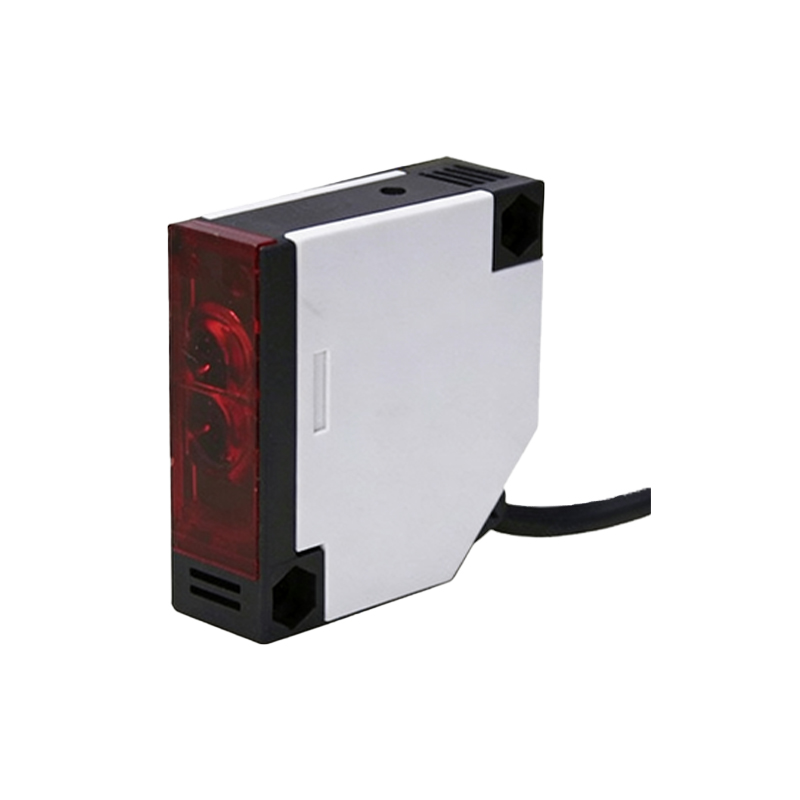
The functionality of photoelectric sensors is based on three primary operating modes: through-beam, retro-reflective, and diffuse reflective. In the through-beam (or opposed) mode, the emitter and receiver are housed in separate units facing each other. Detection occurs when an object interrupts the light beam traveling from the emitter to the receiver. This mode offers the longest sensing range and highest reliability, as it is largely immune to the object's color, texture, or reflectivity. The retro-reflective mode places both emitter and receiver in the same housing, utilizing a reflector (like a corner-cube reflector) to bounce the light beam back. An object is detected when it breaks this return beam. This mode provides a good sensing distance and simplifies wiring. Finally, the diffuse reflective (or proximity) mode also houses both components together, but it detects light reflected directly off the target object itself. The sensing distance is shorter and can be influenced by the object's color and surface properties, but it requires no separate reflector, making installation flexible.
Major Types and Technologies
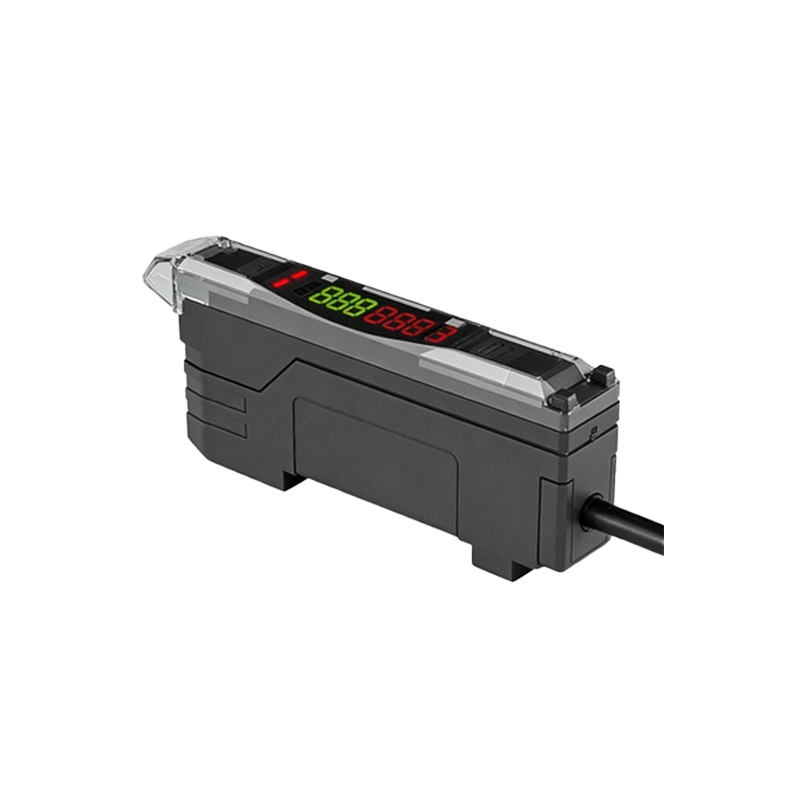
Beyond the basic operating modes, photoelectric sensors incorporate various technologies for specialized tasks. Background Suppression (BGS) sensors are a type of diffuse sensor that uses triangulation to detect objects only within a precise, defined range, ignoring the background. This is crucial for detecting objects on a conveyor regardless of the belt's color or detecting transparent objects. Contrast sensors are designed to detect differences in contrast or color marks on a surface, commonly used in labeling and packaging. Color sensors differentiate between colors by analyzing the reflected light's RGB components. Luminescence sensors detect the presence of materials that glow under UV light. Fiber optic sensors use flexible fiber optic cables to guide light to and from the sensing head, enabling detection in extremely tight, hot, or hazardous environments where the sensor electronics cannot be placed. Laser sensors provide a very precise, focused beam for high-accuracy positioning and measurement applications.
Key Performance Specifications
Selecting the right photoelectric sensor requires understanding its key specifications. Sensing distance, often listed as a nominal range, defines the maximum reliable operating distance for a given mode and target. Repeatability indicates the sensor's precision in consistently detecting an object at the same point. Response time is the speed at which the sensor's output switches after detection, critical for high-speed applications. Light sources are typically red or infrared LEDs for general use, but green LEDs improve detection of certain colors, and laser diodes enable precise spotting. The housing material (often metal or plastic) and ingress protection (IP) rating determine the sensor's durability against dust, water, and chemicals in industrial environments. Output types include discrete NPN/PNP transistor outputs for on/off control and analog outputs (like 4-20mA or 0-10V) for distance or intensity measurement.
Industrial Applications and Use Cases
Photoelectric sensors are ubiquitous in industrial settings. In material handling and packaging, they count bottles, detect jam-ups on conveyors, and verify case sealing. In the automotive industry, they ensure precise part positioning for robotic welding and assembly. They are essential for object detection in automated storage and retrieval systems (AS/RS). In printing and paper processing, they register marks for cutting and alignment. Contrast sensors read barcodes and verify label placement. Safety light curtains, which are arrays of photoelectric beams, protect workers from machine hazards. In food and beverage, they detect fill levels, cap presence, and label alignment on high-speed production lines. Their non-contact nature makes them ideal for detecting delicate, hot, or rotating objects where physical contact is impossible or undesirable.
Installation and Troubleshooting Tips
Proper installation is critical for reliable sensor operation. Ensure the sensor is securely mounted to minimize vibration. Align through-beam and retro-reflective sensors carefully; even slight misalignment can cause failure. For diffuse sensors, consider the target's reflectivity and color, and perform teach-in or sensitivity adjustment for the specific target. Avoid mounting sensors where they face direct sunlight or other strong ambient light sources, which can interfere with operation. Using polarized filters (common in retro-reflective sensors) can help reject reflections from shiny objects. Common troubleshooting steps include checking power connections, verifying alignment, cleaning the lens of dust or debris, and adjusting the sensitivity potentiometer. Many modern sensors feature built-in indicators (like a stability LED) to aid in setup and diagnosis.
Future Trends and Advancements
The evolution of photoelectric sensors continues to align with Industry 4.0 trends. Miniaturization allows for integration into smaller machines and devices. Enhanced connectivity through IO-Link provides detailed diagnostic data, parameter setting from a controller, and predictive maintenance capabilities, signaling not just failure but performance degradation. Sensors are becoming smarter with integrated background suppression algorithms and better immunity to environmental interference. The development of more robust and precise laser-based sensors expands their use in metrology and robotics. Furthermore, the integration of photoelectric sensing with other technologies, such as vision systems or RFID, creates more comprehensive and intelligent sensing solutions for complex automation challenges, driving efficiency and flexibility in modern manufacturing.