Understanding Hall Effect Switches
Hall Effect switches are solid-state devices that utilize the Hall Effect principle to detect the presence of a magnetic field. When a magnetic flux of sufficient strength and polarity is applied perpendicularly to the semiconductor material within the switch, it generates a small voltage known as the Hall voltage. This voltage is then processed by an integrated circuit, which triggers a digital output signal. The operation is entirely contactless, meaning no physical interaction occurs between the sensor and the target magnet. This fundamental principle makes Hall Effect switches exceptionally reliable for applications involving repetitive motion, such as counting revolutions in a motor shaft, detecting the position of a valve, or serving as a limit switch in automated machinery. Their key characteristics include precise magnetic field threshold detection, immunity to environmental contaminants like dust and oil, and the ability to operate at very high switching frequencies without wear.
Fundamentals of Proximity Sensors
Proximity sensors, in contrast, are designed to detect the presence or absence of an object within a specified range without any physical contact. The most common types in industrial settings are inductive and capacitive sensors. Inductive proximity sensors generate an electromagnetic field and detect changes in that field caused by the presence of a metallic target. Capacitive sensors can detect both metallic and non-metallic objects by sensing changes in capacitance. These sensors typically consist of an oscillator, a sensing coil or plate, and a signal conditioning circuit. When a target object enters the sensor's active field, it causes a change in oscillation amplitude or frequency, which is converted into a switching output. This technology is ideal for applications like object detection on conveyor belts, liquid level sensing, or part positioning in assembly lines, where the target material's properties are a primary consideration.
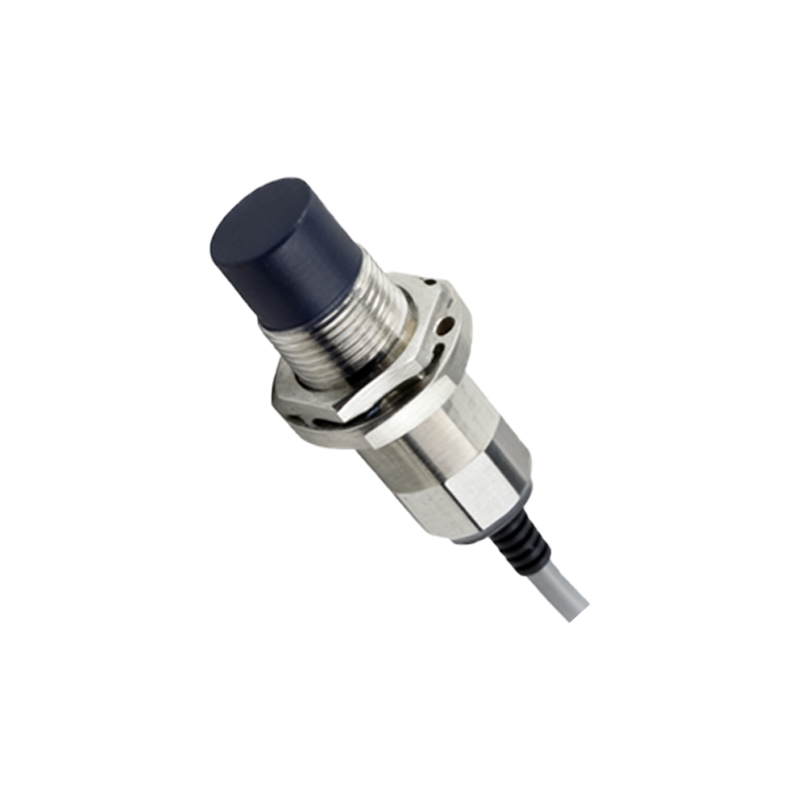
Key Operational Differences and Strengths
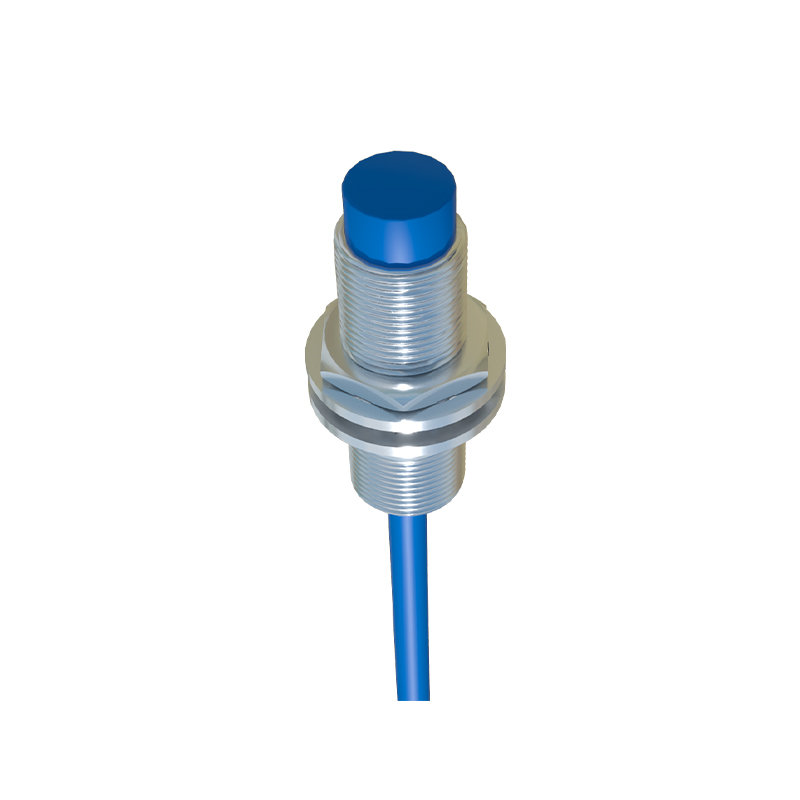
The core distinction lies in the detection method and target. Hall Effect switches exclusively respond to magnetic fields, requiring a permanent magnet or electromagnet as the trigger object. Their sensing distance is generally shorter and more precisely defined by the magnet's strength. Proximity sensors, particularly inductive ones, detect the physical properties of the target object itself. Inductive sensors offer longer sensing ranges for metals, while capacitive sensors provide versatility for various materials. Hall switches excel in environments with high levels of particulate matter, moisture, or vibration because their sealed, solid-state construction is highly robust. Proximity sensors can be more susceptible to false triggers from certain environmental factors but offer greater flexibility in detecting a wider array of object types without needing an attached magnet.
Application-Specific Selection Criteria
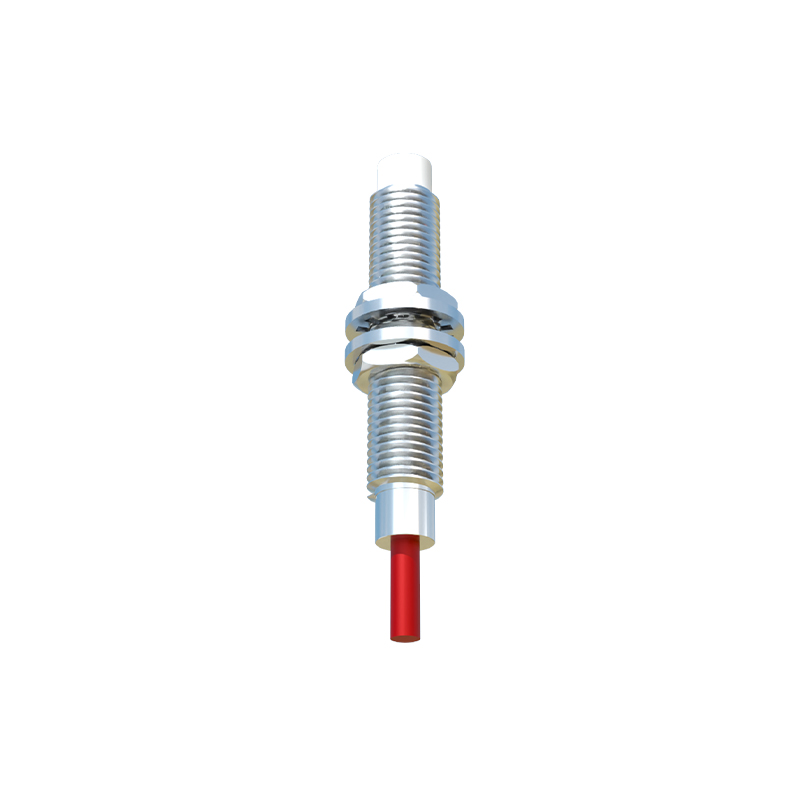
Selecting between these technologies requires a detailed analysis of the application parameters. For speed and position sensing in rotating equipment (e.g., BLDC motor commutation, gear tooth sensing), Hall Effect switches are often the superior choice due to their high speed, accuracy, and durability. They are also preferred in safety-critical applications like door interlocks or seatbelt sensors where reliability is paramount. Proximity sensors are the go-to solution for general-purpose object detection, especially when the target is metallic and not magnetized. They are widely used in packaging, material handling, and machine tooling for tasks such as counting, end-of-travel detection, and monitoring bin levels. The decision matrix should include target material, required sensing distance, environmental conditions (temperature, contaminants), response speed, and electrical output requirements (PNP/NPN, NO/NC).
Electrical Interface and Integration Considerations
Both device types are available in various output configurations, including digital (switching), analog, and even IO-Link for smart sensor networks. Hall Effect switches commonly provide a clean, bounce-free digital signal ideal for direct interfacing with microcontrollers or PLC digital inputs. Many modern proximity sensors incorporate advanced diagnostics and programmability, allowing for adjustment of sensing ranges or output delays. Integration into a control system involves matching voltage levels (e.g., 12-24V DC), current sinking/sourcing compatibility, and ensuring proper shielding and wiring to avoid electromagnetic interference, which can affect both sensor types, though Hall devices are generally less susceptible to electrical noise.
Future Trends and Technological Convergence
The evolution of both technologies points toward greater intelligence and miniaturization. Hall Effect sensors are increasingly integrating more signal processing on-chip, leading to programmable linear and angle sensors with digital interfaces like I2C or SPI. Proximity sensors are evolving with enhanced materials discrimination and the integration of RFID for data coupling. A notable trend is the convergence of technologies in multi-functional sensor modules that can combine Hall-based position sensing with inductive proximity detection for comprehensive machine monitoring. The rise of Industry 4.0 and IIoT is driving demand for sensors with embedded diagnostics, predictive maintenance