Understanding the Core Technology
Inductive proximity switches are fundamental, non-contact sensors that detect the presence of metallic objects. Operating on the principle of electromagnetic induction, these robust devices generate an oscillating electromagnetic field from a coil within their sensing face. When a conductive metal target enters this field, eddy currents are induced on the target's surface. This causes a change in the oscillation amplitude within the sensor's internal LC tank circuit. A dedicated evaluation circuit monitors this change, triggering a solid-state switching output when a predefined threshold is reached. This entire process occurs without any physical contact, making these sensors exceptionally reliable for harsh industrial environments characterized by dust, oil, and vibration. The DC variant, specifically, is powered by a direct current supply, typically ranging from 10-30V DC, and provides a clean, digital DC output signal compatible with modern Programmable Logic Controllers (PLCs) and other control systems.
Key Advantages of DC-Powered Models
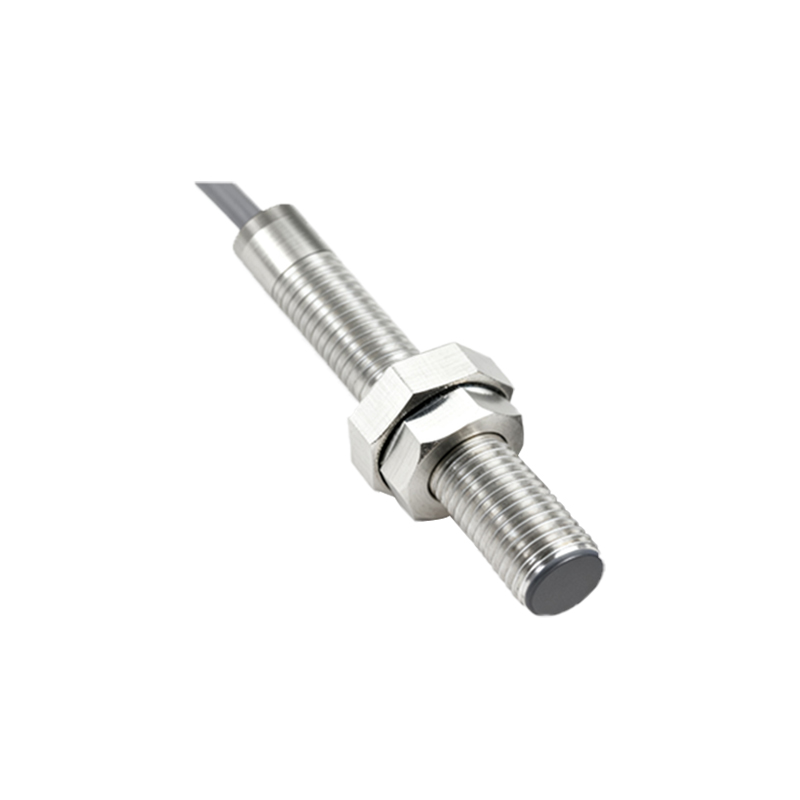
DC inductive proximity sensors offer several distinct benefits that solidify their position in automation. Firstly, their switching frequency is significantly higher than that of AC models, allowing them to detect rapidly moving objects on high-speed production lines, such as in packaging or automotive assembly. They exhibit minimal leakage current when in the "off" state, which prevents false triggering in sensitive control circuits. Furthermore, DC sensors are inherently protected against reverse polarity connection, a common installation error, safeguarding the device from immediate damage. Their output configurations—NPN (sinking) or PNP (sourcing)—provide flexibility for interfacing with different control system architectures globally. The consistent DC signal also simplifies wiring and integration, reducing commissioning time and potential errors.
Critical Specifications for Selection
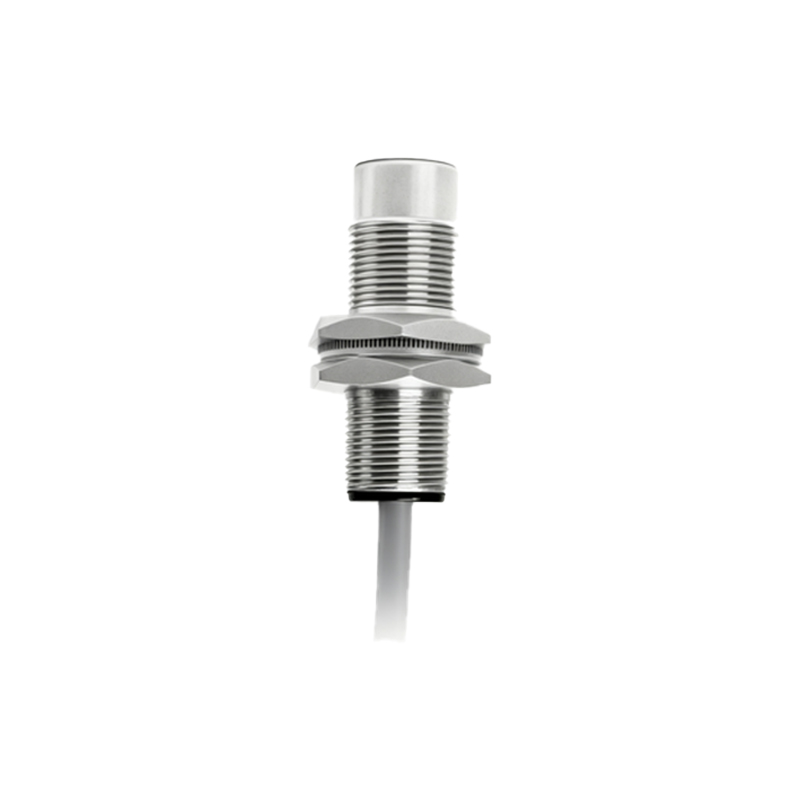
Selecting the correct inductive proximity switch requires careful analysis of application parameters. The nominal sensing distance, or Sn, is a primary specification, indicating the standard detection range for a defined standard target (usually mild steel). It is crucial to note that this distance varies for different metals; for instance, the effective sensing range for aluminum or copper is reduced due to their lower permeability. The sensor's housing design—tubular (e.g., M8, M12, M18, M30) or rectangular—must suit the mechanical constraints. Environmental protection ratings, denoted by IP (Ingress Protection) codes like IP67 or IP69K, are vital for durability against washdowns or outdoor conditions. Other key specs include the response time, which affects the maximum detectable object speed, and the temperature operating range, ensuring performance in foundries or cold storage facilities.
Application Scenarios in Modern Industry
The versatility of DC inductive proximity switches is showcased across countless industrial applications. A quintessential use is in position sensing on automated machinery, verifying the presence of a metal part at a specific station in an assembly line. They are indispensable for end-of-travel detection on cylinders and linear actuators, providing precise feedback for pneumatic and hydraulic systems. In material handling, these sensors count metal parts on conveyors or confirm the closed position of metal doors and hatches. Within robotic cells, they ensure safe tooling presence and accurate arm positioning. Their robustness also makes them ideal for harsh sectors like metalworking, where they monitor tool wear or detect broken drills by sensing the metal shank, thereby preventing costly machine damage and production downtime.
Installation and Wiring Best Practices
Proper installation is paramount for optimal performance and longevity. A fundamental rule is to maintain adequate clearance around the sensor's active face. Metallic surroundings or parallel mounting of multiple sensors can reduce the effective sensing distance due to mutual interference; manufacturers provide specific guidelines for side-by-side and face-to-face mounting distances. For flush-mountable models, they can be installed embedded in metal without affecting performance, whereas non-flush types require a free zone around the sensing face. Wiring must adhere to the specified voltage range, and the load (e.g., a PLC input) should be connected in series, respecting the current limits. Shielding the cable or using twisted-pair wires is recommended in electrically noisy environments to prevent electromagnetic interference from causing erratic switching behavior.
Maintenance and Troubleshooting Insights
While known for their durability and maintenance-free operation, DC inductive proximity switches can encounter issues. Common problems include failure to detect objects, which may stem from an incorrect power supply, a sensing distance exceeded, or an unsuitable target material. Constant activation might indicate sensor damage or metallic debris stuck to the sensing face. Regular preventive maintenance involves visually inspecting the sensor face for buildup of dirt, metal chips, or coatings, and cleaning it with a soft cloth. Verifying the supply voltage with a multimeter and checking the output state under load are effective diagnostic steps. Understanding that these sensors have a finite operational