Introduction to Photoelectric Sensing in Robotics
The integration of photoelectric sensors into robotic grippers represents a significant leap forward in industrial automation. These sensors, which operate by detecting visible or infrared light, provide non-contact, high-precision feedback that is critical for modern robotic applications. Unlike traditional mechanical limit switches or proximity sensors, photoelectric sensors offer superior accuracy, faster response times, and the ability to detect objects regardless of material composition—be it metal, plastic, glass, or even transparent films. In the context of robotic grippers, or end-effectors, this technology transforms a simple mechanical claw into an intelligent, perceptive tool capable of complex tasks. The core principle involves an emitter that projects a light beam and a receiver that detects changes in the received light signal due to the presence, absence, or specific characteristics of a target object. This fundamental capability is the cornerstone for achieving higher levels of autonomy, flexibility, and reliability in automated production lines, packaging systems, and assembly stations.
Core Operating Principles and Sensor Types
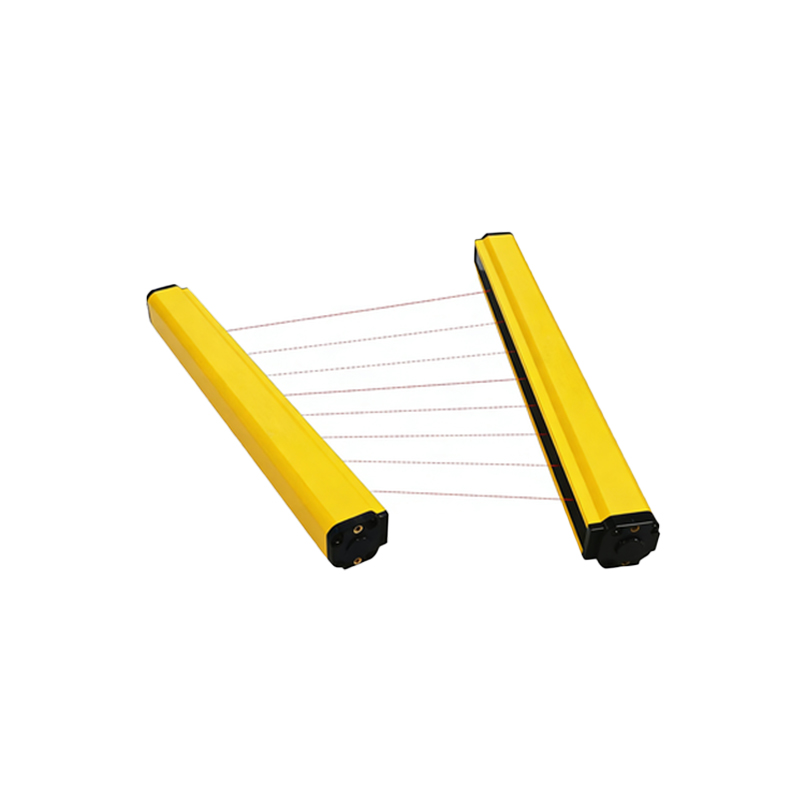
Understanding the operational modes of photoelectric sensors is essential for their effective application in robotic grippers. The three primary configurations are through-beam, retro-reflective, and diffuse reflective. Through-beam sensors, consisting of separate emitter and receiver units, offer the longest sensing ranges and highest reliability, ideal for precise positioning of objects entering the gripper's workspace. Retro-reflective types use a single unit and a reflector, bouncing the light beam back, and are excellent for detecting objects at moderate distances. For integration directly on the gripper jaws, diffuse reflective sensors are most common. They detect light reflected directly from the target object itself. Advanced versions include background suppression and foreground suppression models, which can ignore objects beyond a set distance or distinguish between different surface colors and textures. Furthermore, the advent of laser-based photoelectric sensors provides an extremely focused beam, enabling the detection of minute parts or precise edge positioning, which is invaluable for delicate assembly or electronics handling tasks performed by robotic arms.
Key Applications in Robotic Gripping Systems
The applications of photoelectric sensors in robotic grippers are diverse and impactful. One primary function is presence detection. Sensors confirm that a part is correctly picked up by the gripper before the robot initiates movement, preventing costly drops or incomplete cycles. They are also crucial for positional verification, ensuring a component is seated correctly within the gripper's fingers before a subsequent operation, such as insertion or welding, begins. In bin-picking applications, where robots select unordered parts from a container, photoelectric sensors help identify the topmost item and verify successful acquisition. Another critical application is thickness or double-feed detection in handling sheets, such as metal, glass, or paper. By measuring the amount of light blocked or reflected, the sensor can identify if two sheets are stuck together, preventing jams in downstream processes. Additionally, color mark sensors, a subtype of photoelectric sensors, enable grippers to perform sorting tasks based on color-coded labels or materials, adding a layer of visual discrimination without the complexity of a full vision system.
Design Considerations and Integration Challenges
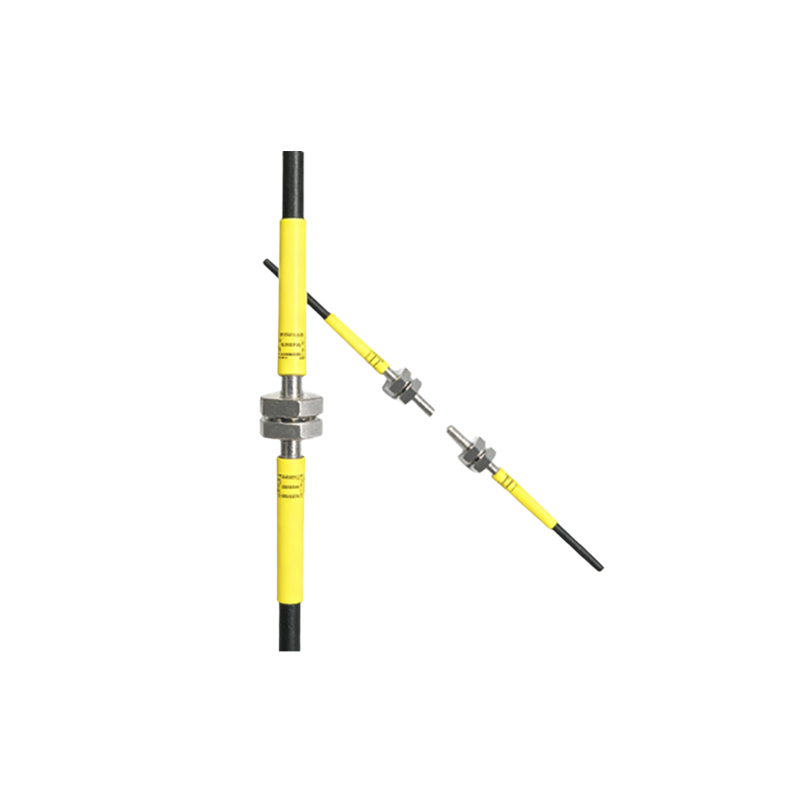
Successfully incorporating photoelectric sensors into a robotic gripper design requires careful engineering. The first consideration is form factor. Sensors must be compact and robust to fit within the constrained space of the gripper without interfering with its mechanical operation or the workpiece. They must withstand significant vibration, shock, and potential exposure to coolants, oils, or metal chips common in industrial environments. Environmental factors like ambient light, dust, and steam can interfere with optical sensing; thus, selecting sensors with modulated LED light (to ignore ambient light) and adequate Ingress Protection (IP) ratings is mandatory. Wiring and connectivity present another challenge. Cables must be routed to avoid snagging and fatigue from the gripper's constant motion, often requiring flexible, torsion-resistant cabling or the use of wireless or bus-system interfaces. Finally, the integration with the robot's controller is paramount. The sensor's digital or analog output must be seamlessly processed by the PLC or robot controller to trigger immediate actions, such as adjusting grip force, aborting a move, or initiating a corrective routine, forming a closed-loop control system.
Advantages Over Alternative Sensing Technologies
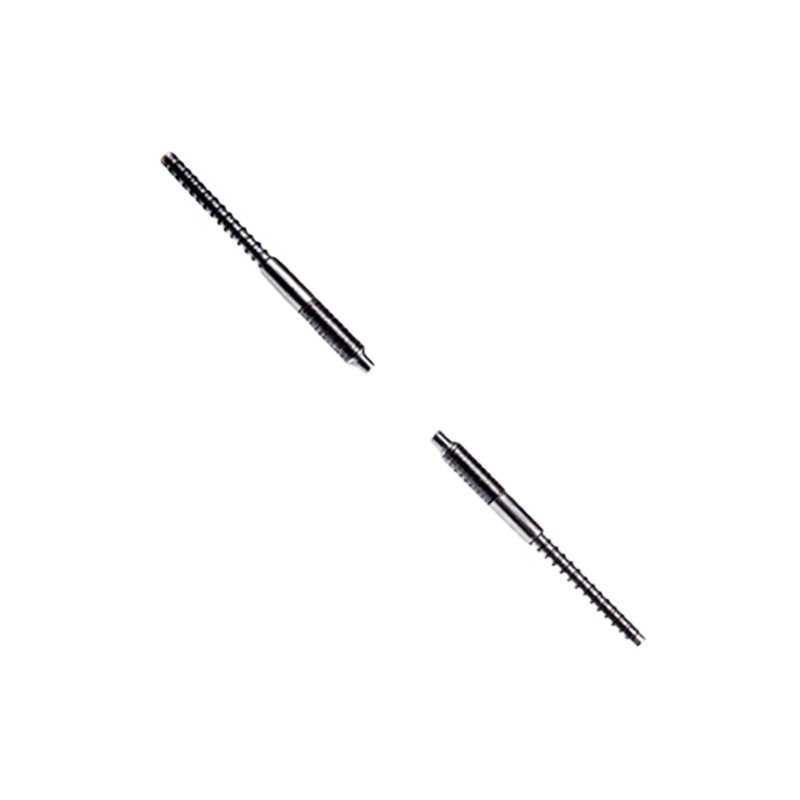
Photoelectric sensors offer distinct benefits compared to other sensing methods used in grippers, such as inductive, capacitive, or ultrasonic sensors. While inductive sensors are excellent for detecting metals only, photoelectric sensors are material-agnostic, providing greater application flexibility. Capacitive sensors can detect non-metals but are sensitive to environmental changes like humidity. Photoelectric sensors, particularly with modulated light, are largely immune to such factors. Ultrasonic sensors solve some detection challenges for irregular surfaces but have slower response times and can be affected by temperature gradients and air turbulence. The key advantages of photoelectric sensors include their very high switching speed, often in microseconds, which is essential for high-speed pick-and-place robots. They provide exceptional accuracy for position and edge detection, down to sub-millimeter levels. Furthermore, their non-contact nature eliminates mechanical wear and allows for the handling of fragile or sensitive surfaces without risk of marring or contamination, a critical factor in industries like semiconductor manufacturing, pharmaceuticals, and food processing.
Future Trends and Industry Outlook
The future of photoelectric sensing in robotic grippers is intertwined with the evolution of Industry 4.0 and smart factories. The trend is moving towards sensors with integrated intelligence and communication capabilities. IO-Link enabled photoelectric sensors are becoming standard, allowing for parameter setting, real-time diagnostics, and process data monitoring directly from the sensor on the gripper to higher-level control systems. This facilitates predictive maintenance, as the system can alert operators to lens contamination or LED degradation before a failure occurs. Another significant trend is sensor fusion, combining photoelectric sensing with other data sources like force-torque sensors or miniature 2D/3D vision systems directly on the end-effector. This creates a highly perceptive "smart gripper" capable of adaptive grasping, where the robot can adjust its grip in real-time based on the object's detected position, orientation, and even slight deformations. As collaborative robots (cobots) become more prevalent, safe, compact photoelectric sensors will play a vital role in enabling delicate human-robot interaction and ensuring operator safety within shared workspaces.