Understanding Diffuse Reflective Proximity Sensors
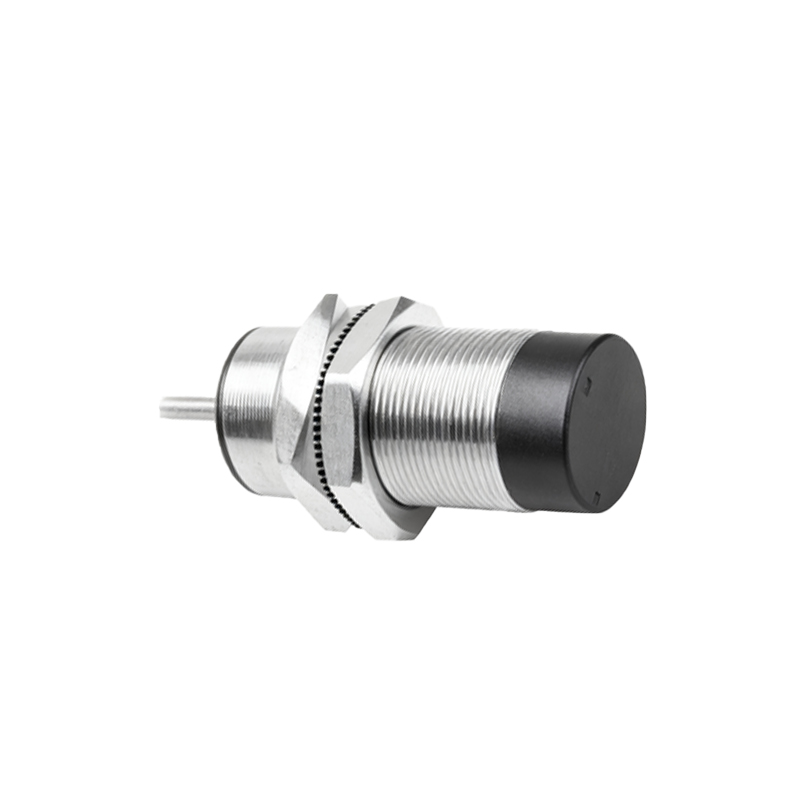
Diffuse reflective proximity sensors, often referred to as diffuse sensors, are a type of photoelectric sensor widely used in industrial automation. Unlike through-beam or retro-reflective sensors, diffuse sensors detect objects by emitting a light beam (typically infrared, red, or laser) and measuring the amount of light reflected back from the target's surface. The sensor's receiver analyzes this reflected light intensity. When an object enters the sensing range, the reflected light pattern changes, triggering the sensor's output switch. This operating principle makes them ideal for applications where only one side of the target is accessible for installation. Their key advantage lies in simplicity, requiring only a single device for both emission and reception, which reduces wiring complexity and installation space.
Primary Applications and Industry Use Cases
These sensors are ubiquitous across manufacturing and logistics. Common applications include object detection on conveyor belts, such as verifying the presence of bottles, boxes, or parts. They are used for counting items, monitoring fill levels in transparent or opaque containers, and detecting the edge of materials like paper or fabric in web processing. In packaging machinery, diffuse sensors ensure correct product positioning before sealing or labeling. Automotive assembly lines utilize them to confirm component placement, while in electronics manufacturing, they detect tiny components on PCBs. Their versatility extends to aggressive environments; models with robust housings (e.g., IP67 rating) perform reliably in areas with dust, moisture, or vibration.
Key Suppliers and Manufacturers
The market for diffuse reflective proximity sensors is served by numerous established global manufacturers. Leading brands include SICK AG (Germany), Omron Corporation (Japan), Keyence Corporation (Japan), Banner Engineering (USA), and Pepperl+Fuchs (Germany). These companies offer extensive catalogs with sensors varying in sensing range, light source, housing material, and output type (e.g., NPN, PNP, analog, IO-Link). For standard applications, general industrial suppliers like Allen-Bradley (Rockwell Automation) and Schneider Electric also provide reliable options. It is crucial to select a supplier based on technical specifications, environmental certifications, and local support availability.
Selecting the Right Sensor for Your Needs
Choosing the correct sensor involves evaluating several parameters. First, determine the required sensing distance, which can range from a few millimeters to several meters, depending on the model and light type. Consider the target object's properties: color, material, and surface finish (matte, glossy, transparent) significantly affect reflectivity and detection reliability. Environmental conditions like ambient light, temperature, and potential contaminants must be factored in. Output configuration (digital switch or analog signal) should match the control system's input. Finally, mechanical factors such as housing size (cylindrical or rectangular), mounting style, and connection type (cable or connector) are vital for seamless integration into existing machinery.
Procurement Channels and Availability
Professionals can source diffuse sensors through multiple channels. Direct procurement from manufacturer websites or their regional sales offices is ideal for large-volume orders or custom solutions. Authorized distributors and system integrators provide valuable local stock, technical advice, and after-sales support. Major industrial supply companies, such as Digi-Key, Mouser Electronics, and RS Components, offer vast online catalogs with real-time inventory and datasheets for comparison. For urgent needs or small quantities, these online platforms ensure rapid delivery. Additionally, many automation solution providers include sensor selection as part of their system design services, offering packaged solutions for complex applications.
Installation and Calibration Best Practices
Proper installation is critical for optimal performance. Mount the sensor securely to minimize vibration-induced errors. Ensure the sensing beam is perpendicular to the target surface for maximum reflectivity. Adjust the sensitivity potentiometer or teach-in button to set the detection threshold, accounting for background interference. For challenging surfaces (e.g., shiny or dark materials), use sensors with background suppression technology, which evaluates the angle of reflected light rather than just intensity. Regular maintenance, including lens cleaning and functional checks, prevents false triggers and extends sensor lifespan. Always refer to the manufacturer's manual for specific wiring diagrams and environmental limits.
Future Trends and Technological Advancements
The evolution of diffuse reflective sensors is driven by Industry 4.0 demands. Modern sensors increasingly feature smart functionalities like IO-Link communication, which enables digital parameter setting, remote monitoring, and predictive maintenance data exchange. Miniaturization continues, allowing installation in tighter spaces. Enhanced algorithms improve immunity to ambient light and crosstalk from adjacent sensors. Furthermore, the integration of multi-purpose sensors capable of measuring distance, color, and contrast within a single