Introduction to Photoelectric Sensor Metal Housings
In the demanding world of industrial automation, the choice of sensor housing material is a critical decision that directly impacts reliability, longevity, and performance. Among the various options, metal housings for photoelectric sensors have established themselves as the gold standard for challenging environments. Unlike their plastic counterparts, metal housings offer unparalleled robustness, providing a first line of defense against physical impact, vibration, and extreme temperatures. This protective shell is not merely a container; it is an integral component that ensures the sensitive internal optics and electronics can perform their precise detection tasks without interference. The evolution from basic stamped steel to sophisticated alloys and specialized coatings reflects the industry's ongoing pursuit of durability and precision in sensing technology.
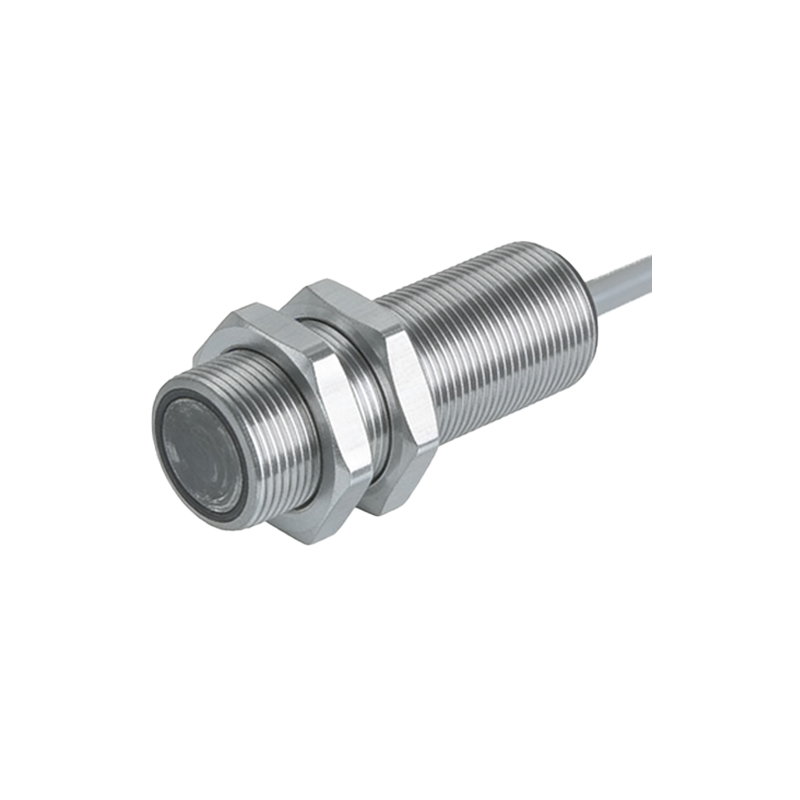
Key Advantages of Metal Housings
The primary benefit of a metal housing is its exceptional mechanical strength. It protects the sensor from crushing forces, accidental impacts from machinery or tools, and the constant stress of vibration commonly found on production lines. Furthermore, metal housings provide superior electromagnetic compatibility (EMC) and radio frequency interference (RFI) shielding. In facilities crowded with motors, drives, and wireless devices, this shielding is crucial to prevent false triggering or signal degradation, ensuring stable and accurate operation. Another significant advantage is thermal management. Metals like aluminum effectively dissipate heat generated by internal components or absorbed from hot environments, preventing overheating and extending the sensor's operational life. This combination of physical and environmental protection makes metal-housed sensors indispensable in heavy industries such as automotive, metalworking, and material handling.
Common Materials and Their Properties
Not all metals are created equal for sensor housing applications. The selection is based on a careful balance of strength, weight, corrosion resistance, and cost. Stainless steel, particularly grades 304 and 316, is a premier choice for its excellent corrosion resistance, making it ideal for washdown areas in food & beverage or pharmaceutical plants, or in outdoor applications exposed to weather. Aluminum and its alloys are widely used due to their good strength-to-weight ratio, natural corrosion resistance, and excellent thermal conductivity. They are often finished with anodizing or powder coating for added protection and color coding. For specialized applications, brass or nickel-plated brass may be used where specific chemical resistance or non-magnetic properties are required. Each material is chosen to meet the specific environmental and functional demands of the application.
Design Considerations and Sealing Standards
The design of a metal housing goes beyond material selection. It encompasses ingress protection (IP) ratings, which define the level of sealing against solids and liquids. A high IP rating, such as IP67 or IP69K, is common for metal-housed sensors, indicating complete protection against dust and protection against immersion or high-pressure, high-temperature water jets. This is achieved through precision machining of the housing body and cover, combined with high-quality sealing gaskets made from materials like silicone or fluorocarbon. The design must also consider mounting options, cable entry points (conduit or connector types), and the integration of status indicators. Effective thermal design ensures that heat from internal components is transferred to the housing and dissipated, while also preventing external heat from easily penetrating the sensor's core.
Applications in Harsh Industrial Environments
The true value of a photoelectric sensor with a metal housing is realized in harsh operating conditions. In automotive manufacturing, these sensors withstand weld spatter, oils, coolants, and intense vibration on robotic welding and assembly lines. In foundries and metal casting, they operate reliably near extreme heat and airborne metallic dust. In lumber and wood processing, they are resilient against impacts from heavy logs and exposure to moisture and sawdust. The metal housing ensures that the sensor can perform precise object detection, positioning, and counting tasks where plastic-bodied sensors would quickly fail. Their reliability reduces machine downtime, minimizes maintenance costs, and contributes to overall plant safety and efficiency.
Maintenance and Long-Term Reliability
While metal housings are designed for durability, proper installation and maintenance are key to maximizing their service life. It is crucial to follow the manufacturer's torque specifications when tightening housing covers or mounting brackets to avoid distorting the seal. Regular visual inspections for dents, cracks, or corrosion on the housing are recommended. If a coating is damaged, it should be repaired to prevent underlying corrosion. The housing should be kept clean of heavy debris buildup that could impede heat dissipation or physically damage the surface. Thanks to their robust construction, metal-housed sensors often outlast the machinery they are installed on, providing a solid return on investment through decades of trouble-free service in the most punishing industrial settings.