Introduction to SFH7060 Photoelectric Sensor
The SFH7060 is a highly integrated photoelectric sensor module designed for precise optical sensing applications, particularly in the medical and healthcare sectors. This sensor combines an infrared emitter and a photodetector in a compact package, optimized for reflectance measurements. Its primary function involves emitting infrared light and detecting the reflected signal, which is influenced by blood volume changes in subcutaneous tissues. This principle, known as photoplethysmography (PPG), enables non-invasive monitoring of physiological parameters such as heart rate and pulse waves. The SFH7060's design emphasizes low power consumption and high sensitivity, making it suitable for wearable devices and portable medical equipment. Engineers favor this sensor due to its reliable performance in detecting subtle variations in light absorption caused by pulsatile blood flow, providing a robust foundation for vital sign monitoring systems.
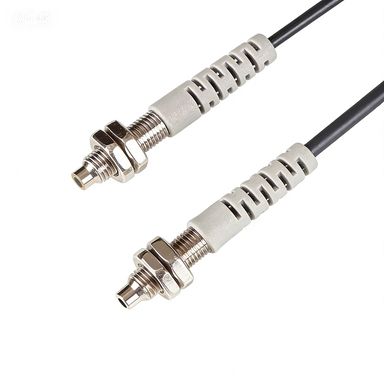
Working Principle and Technical Specifications
At its core, the SFH7060 operates on the PPG technique, where infrared light penetrates the skin and is absorbed by hemoglobin in the blood. During each cardiac cycle, blood volume increases in arteries, leading to greater light absorption and reduced reflection. The sensor captures these fluctuations, converting them into electrical signals for analysis. Key technical specifications include a wavelength of 940 nm, which minimizes interference from ambient light and enhances accuracy in pulse detection. The module features a typical supply voltage of 3.3V to 5V and a low current consumption, ensuring energy efficiency in continuous monitoring scenarios. Additionally, its integrated design reduces external noise, improving signal-to-noise ratio for clearer pulse waveforms. These attributes make the SFH7060 a preferred choice for engineers developing medical devices that require consistent and precise biometric data acquisition.
Implementation in Pulse Measurement Systems
Integrating the SFH7060 into pulse measurement systems involves careful circuit design and signal processing. Typically, the sensor is placed against the skin, often on the fingertip or wrist, where blood flow is accessible. The emitted infrared light reflects off the tissue, and the photodetector outputs an analog signal proportional to the reflected intensity. This raw signal is then amplified and filtered to remove artifacts from motion or environmental factors. Microcontrollers or dedicated processing units digitize the signal, applying algorithms to extract pulse rate and waveform characteristics. For optimal performance, engineers must consider factors such as sensor placement, skin contact pressure, and ambient light shielding. The SFH7060's compatibility with common development platforms, like Arduino or Raspberry Pi, facilitates prototyping and testing in clinical or home-based settings, accelerating the development of innovative health monitoring solutions.
Advantages and Challenges in Medical Use
The SFH7060 offers several advantages in medical pulse measurement, including non-invasiveness, cost-effectiveness, and ease of integration. Its small form factor allows for discreet wearable designs, promoting patient comfort during long-term monitoring. Moreover, the sensor's high sensitivity enables detection of not only heart rate but also potential irregularities, supporting early diagnosis of cardiovascular conditions. However, challenges persist, such as motion artifacts that can distort signals during physical activity. Engineers address this by implementing advanced filtering techniques and machine learning algorithms to enhance accuracy. Additionally, variations in skin tone and tissue density may affect signal quality, necessitating calibration for diverse user populations. Despite these hurdles, the SFH7060 remains a versatile tool in telemedicine and remote patient monitoring, contributing to the advancement of personalized healthcare technologies.
Future Trends and Applications
Looking ahead, the SFH7060 is poised to play a significant role in the evolution of smart medical devices. With the growing demand for remote health monitoring, this sensor can be integrated into IoT-enabled systems for real-time data transmission to healthcare providers. Future applications may include continuous pulse oximetry, stress level assessment, and sleep pattern analysis, expanding beyond basic pulse measurement. Innovations in sensor fusion, combining the SFH7060 with other biometric sensors like accelerometers or temperature sensors, could provide comprehensive health insights. Furthermore, advancements in AI-driven analytics will enhance the interpretation of pulse data, enabling predictive health alerts. As the medical industry embraces digital transformation, the SFH7060's reliability and adaptability will support the development of next-generation diagnostic tools, fostering improved patient outcomes and proactive wellness management.