What is a Proximity Sensor OEM Factory?
An Original Equipment Manufacturer (OEM) factory specializing in proximity sensors is a dedicated production facility that designs, engineers, and manufactures these critical sensing components on behalf of another company, which then markets and sells the final product under its own brand name. These factories are the backbone of the industrial automation and electronics sectors, providing the essential hardware that enables non-contact detection of objects. Unlike a simple contract manufacturer, a proficient proximity sensor OEM possesses deep expertise in sensing technologies—such as inductive, capacitive, ultrasonic, and photoelectric principles—and integrates this knowledge with advanced manufacturing capabilities. They handle the entire product lifecycle, from initial R&D and prototyping to full-scale production, rigorous testing, and quality assurance, all while maintaining the confidentiality and specifications dictated by their client partners.
Core Capabilities and Technological Expertise
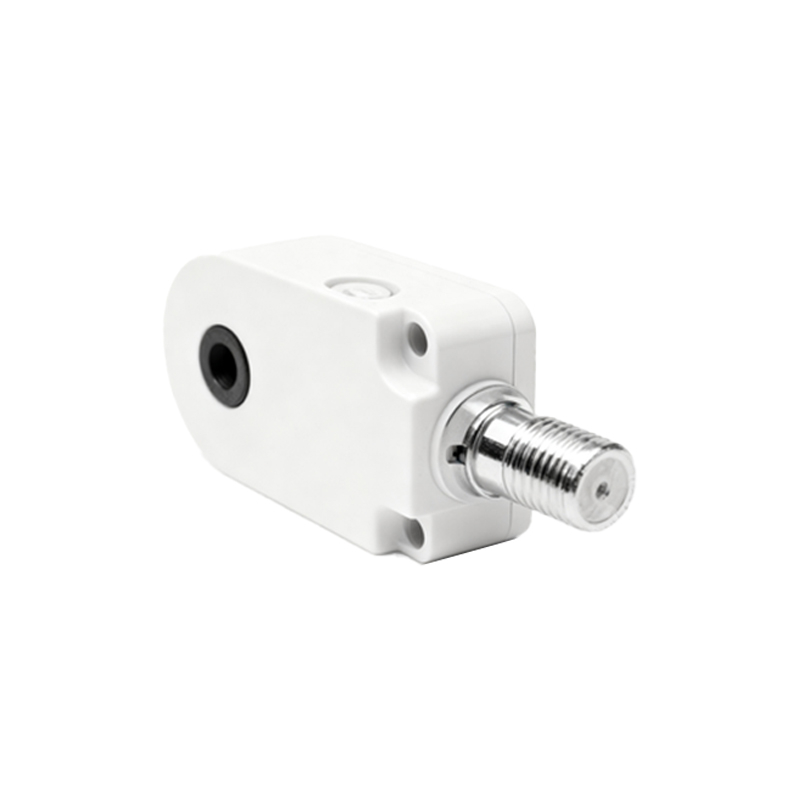
The value of a specialized OEM lies in its concentrated technological portfolio. A top-tier factory will have dedicated engineering teams proficient in designing sensors for diverse applications, from detecting metal objects on a high-speed assembly line to sensing liquid levels in a tank or ensuring user safety on machinery. Key capabilities include precision coil winding for inductive sensors, advanced PCB design and assembly, hermetic sealing for harsh environments (IP67/IP69K ratings), and programming for programmable logic and output configurations. Furthermore, they invest in application-specific testing equipment that simulates real-world conditions—like temperature chambers, EMI/RFI interference testing, and long-term endurance cycles—to ensure reliability. This deep expertise allows client companies to leverage cutting-edge sensing technology without the massive capital investment required to develop it in-house.
The OEM Partnership Model: From Design to Delivery
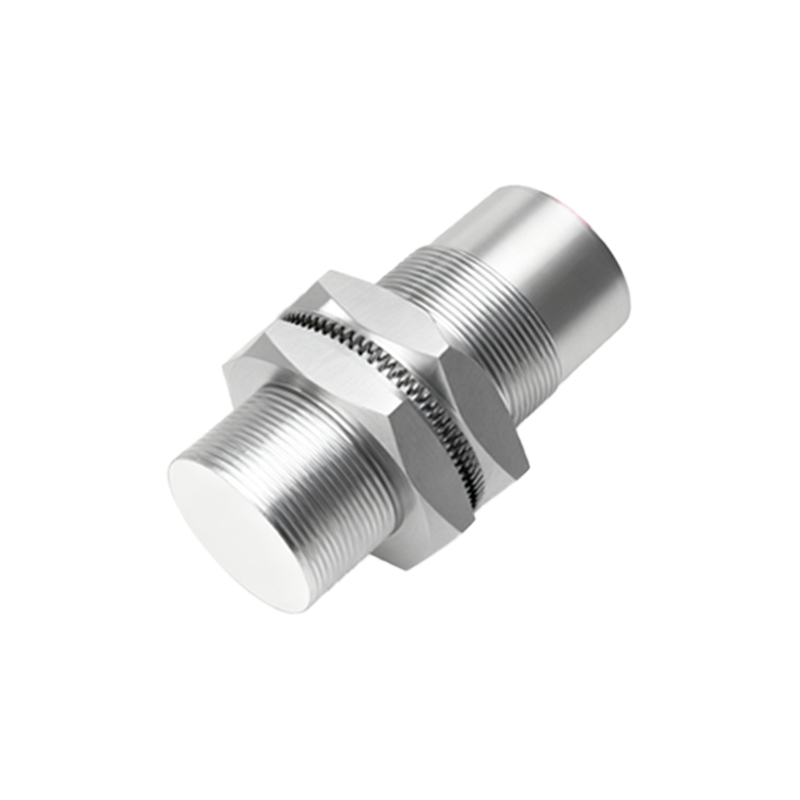
Engaging with a proximity sensor OEM typically follows a collaborative partnership model. The process often begins with a client's concept or performance requirement. The OEM's engineering team then works on detailed design, selecting appropriate materials, electronics, and housing to meet the technical, environmental, and cost targets. Prototypes are developed and validated. Upon approval, the factory ramps up production using automated assembly lines for consistency and scale. Crucially, a full-service OEM also manages the supply chain, sourcing quality components like specialized semiconductors and ruggedized housings. They ensure logistics and delivery align with the client's production schedules, often offering vendor-managed inventory (VMI) solutions. This end-to-end service transforms the client's role into that of a marketer and system integrator, freeing them from manufacturing complexities.
Quality Assurance and Industry Certifications
Quality is non-negotiable in industrial components, and reputable proximity sensor OEMs build their reputation on robust Quality Management Systems (QMS). Adherence to international standards like ISO 9001 is a baseline. Factories serving global markets often obtain necessary product certifications such as CE, UL, CSA, or RoHS compliance, which are mandatory for sales in different regions. The in-house quality process involves multiple checkpoints: incoming material inspection (IMI), in-process checks during assembly, and 100% final functional testing. Statistical Process Control (SPC) methods are employed to monitor production consistency. For clients in automotive, aerospace, or medical sectors, OEMs may also comply with more stringent standards like IATF 16949, ensuring traceability and failure mode analysis for every unit produced.
Benefits of Sourcing from a Specialized OEM Factory
Partnering with a dedicated proximity sensor OEM offers multifaceted advantages. The primary benefit is cost efficiency: it eliminates capital expenditure on production facilities and reduces R&D overhead. Speed to market is significantly accelerated, as the OEM's existing expertise and tooling can turn concepts into shippable products much faster. Access to specialized knowledge allows clients to incorporate the latest advancements in sensing technology without maintaining a large specialist team. Scalability and flexibility are inherent; production can be scaled up or down based on demand, and designs can be customized for specific applications. Finally, it allows the client brand to focus on core competencies, such as application development, sales, and customer relationships, while relying on a manufacturing expert for a flawless supply of critical components.
Choosing the Right Proximity Sensor Manufacturing Partner
Selecting an OEM is a strategic decision. Key evaluation criteria should include the factory's proven experience in your required sensor technology (e.g., high-frequency oscillation for non-ferrous metals) and industry vertical. Assess their engineering support and willingness to co-design. Audit their manufacturing and quality control facilities, either virtually or in person. Examine their supply chain resilience and ability to ensure material availability. Communication, project management transparency, and protection of intellectual property (IP) are critical soft factors. A reliable partner will not just be a supplier but a technical consultant, helping