Introduction to Photoelectric Sensors
Photoelectric sensors are pivotal components in modern industrial automation and control systems. These devices operate on the principle of photoelectric conversion, where light energy is transformed into electrical signals. Essentially, a photoelectric sensor consists of an emitter that projects a light beam and a receiver that detects the presence or absence of this beam. When an object interrupts or reflects the light, the receiver generates an electrical output, triggering a response in the connected system. This mechanism enables non-contact detection, making photoelectric sensors ideal for applications requiring high precision, speed, and reliability. Their versatility allows them to be used across diverse environments, from manufacturing lines to safety systems, where they monitor object presence, count items, measure distances, and ensure operational efficiency.
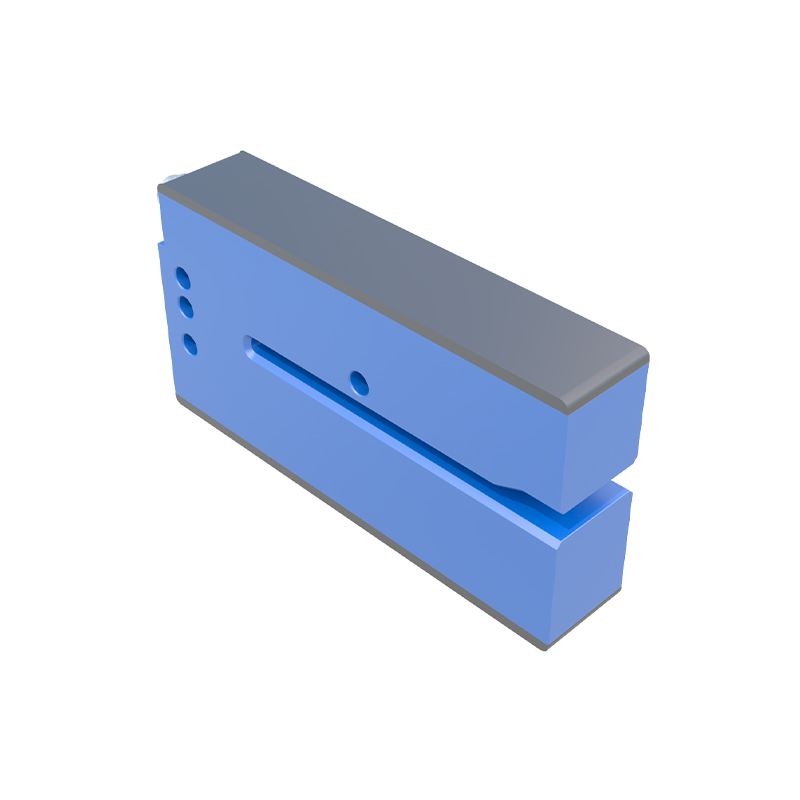
Core Working Principles
The functionality of photoelectric sensors hinges on three primary modes: through-beam, retro-reflective, and diffuse reflective. In through-beam mode, the emitter and receiver are positioned opposite each other; detection occurs when an object breaks the light beam between them. This mode offers long sensing ranges and high accuracy, as it is less affected by object color or surface texture. Retro-reflective mode involves a single unit that emits light toward a reflector, which bounces it back to the receiver; interruption of this reflected beam indicates an object's presence. It provides a balance of range and ease of installation. Diffuse reflective mode relies on the object itself to reflect light back to the receiver, making it suitable for detecting objects at closer ranges without a separate reflector. Each mode leverages photodiodes or phototransistors in the receiver to convert light intensity changes into electrical signals, which are then processed by internal circuitry to produce a digital or analog output.
Key Components and Technologies
Modern photoelectric sensors incorporate advanced technologies to enhance performance. The emitter typically uses LEDs, with infrared, red, or laser light sources chosen based on application needs—infrared for long-range detection, red for visible alignment, and laser for high precision. Receivers employ silicon-based photodetectors sensitive to specific wavelengths, ensuring minimal interference from ambient light. Additionally, many sensors feature modulated light signals, where the emitter pulses at a high frequency, and the receiver is tuned to this frequency. This modulation reduces false triggers from external light sources, improving reliability in harsh industrial settings. Other components include lenses for beam focusing, housings for environmental protection (rated IP67 or higher for dust and water resistance), and output circuits compatible with PLCs or other control devices. Innovations like background suppression and fiber optic variants further expand their applicability in complex scenarios.
Applications in Industrial Automation
In industrial settings, photoelectric sensors are indispensable for automation and quality control. On assembly lines, they detect product presence, verify part placement, and count items with high speed, often operating at rates exceeding thousands of detections per minute. In packaging machinery, sensors ensure precise filling levels and label positioning, reducing waste and enhancing efficiency. They also play a critical role in safety systems, such as light curtains that protect workers by halting machinery when a beam is interrupted. Beyond manufacturing, these sensors are used in automotive industries for robot guidance, in logistics for sorting packages, and in agriculture for monitoring crop levels. Their non-contact nature minimizes wear and tear, allowing for low-maintenance operation even in demanding conditions like high temperatures or vibrating environments.
Advantages Over Other Sensor Types
Compared to mechanical or proximity sensors, photoelectric sensors offer distinct benefits. Their non-contact operation eliminates physical interaction with objects, preventing damage to both the sensor and detected items. This leads to longer lifespans and reduced downtime. They provide faster response times, often in microseconds, which is crucial for high-speed applications. Additionally, photoelectric sensors can detect a wide variety of materials, including glass, plastic, and metal, regardless of color or reflectivity when properly configured. Their flexibility in sensing ranges—from a few millimeters to over 100 meters—makes them adaptable to diverse tasks. While environmental factors like dust or fog can pose challenges, modern designs with robust housings and modulated light mitigate these issues, ensuring consistent performance where other sensors might fail.
Selection and Installation Guidelines
Choosing the right photoelectric sensor requires careful consideration of application parameters. Key factors include sensing distance, object size, material, and environmental conditions. For long-range detection, through-beam sensors are preferred, while diffuse reflective types suit shorter ranges with varied object surfaces. It's essential to match the light source wavelength to the object's properties—for example, infrared for transparent materials. Installation involves aligning the emitter and receiver accurately, ensuring the beam path is free of obstructions. Regular maintenance, such as cleaning lenses and checking connections, helps sustain optimal performance. Users should also verify electrical compatibility with control systems, selecting sensors with appropriate output types (e.g., NPN/PNP or analog). Consulting manufacturer datasheets and testing in real conditions can prevent common pitfalls like false triggering or insufficient range.
Future Trends and Innovations
The evolution of photoelectric sensors is driven by Industry 4.0 and smart manufacturing trends. Emerging technologies integrate IoT capabilities, enabling sensors to communicate data wirelessly for predictive maintenance and real-time monitoring. Miniaturization allows for compact designs that fit into tight spaces without sacrificing functionality. Enhanced algorithms in sensor processors improve discrimination between objects and background noise, boosting accuracy in complex environments. Additionally, the adoption of energy-efficient components aligns with sustainability goals, reducing power consumption in large-scale deployments. As automation expands into new sectors like healthcare and robotics, photoelectric sensors will continue to advance, offering higher resolutions, faster processing, and greater integration with AI systems for adaptive control. These innovations promise to further solidify their role as cornerstone devices in photoelectric conversion.