What is a Normally Closed Proximity Switch?
A normally closed (NC) proximity switch is a fundamental component in industrial automation and control systems. It is a type of non-contact sensor designed to detect the presence or absence of a target object within its sensing range. The term "normally closed" refers to the electrical state of its output circuit when the sensor is in its idle or non-activated state. In this default condition, the output circuit is closed, allowing current to flow. When a target enters the sensor's detection field, the internal switching mechanism changes state, opening the circuit and interrupting the current flow. This binary operation makes NC proximity switches ideal for safety circuits, monitoring applications, and logic control where an open circuit upon detection is the required action.
Core Operating Principle and Technology
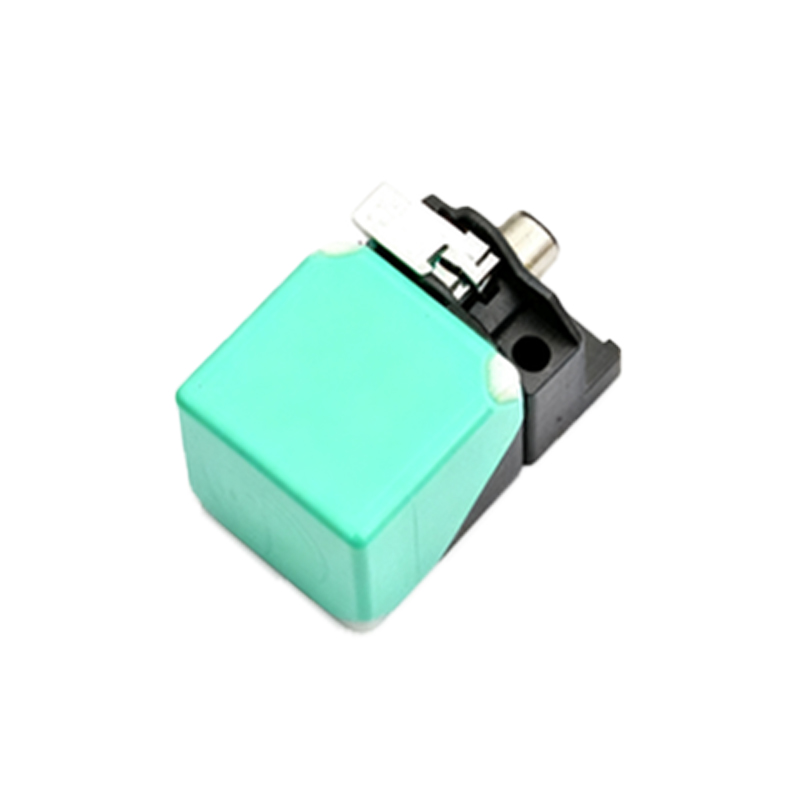
The operation hinges on the principle of electromagnetic induction or capacitive/ultrasonic sensing, depending on the type. Inductive proximity switches, the most common for metal detection, generate an oscillating electromagnetic field. When a metallic target enters this field, it causes eddy currents, dampening the oscillation. This change is detected by the sensor's circuitry, triggering the output state change from closed to open. For a normally closed configuration, the internal solid-state switch or relay is wired so that its resting position completes the circuit. The sensing element's activation physically or electronically "breaks" this connection. This fail-safe design is crucial, as a wire break or power loss to the sensor will also result in an open circuit, often signaling a fault or stop condition.
Key Electrical Characteristics and Wiring
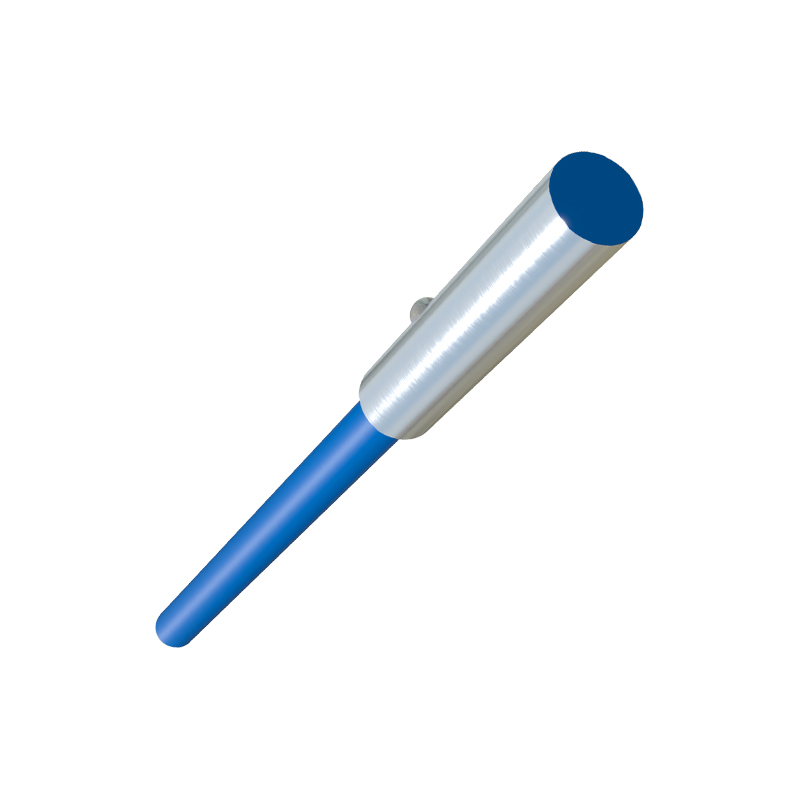
Understanding the wiring and electrical specs is critical for integration. A typical 3-wire DC normally closed proximity sensor will have brown (V+), blue (V- or common), and a black wire as the output. In the NC configuration, the black wire is internally connected to the blue (common) line when no target is present. When activated, this connection opens. For 2-wire AC/DC sensors, the load is wired in series with the sensor. In its NC form, current flows through the sensor to the load at rest; detection opens the path. Key specifications include sensing distance, rated operating voltage, current consumption, and switching capacity. Engineers must ensure the leakage current in the "open" state is acceptable for the connected control logic.
Contrast with Normally Open (NO) Configuration
The choice between NC and normally open (NO) is application-driven. A normally open switch has an open output circuit at rest, closing it upon target detection. The NC variant provides the inverse logic. This is not merely a preference but a strategic design decision for safety and functionality. NC sensors are predominantly used in safety-interlock circuits, such as door or guard monitoring. If the door is open (target removed from sensor), the circuit opens, halting machinery. This ensures a failure (like a cut cable) defaults to a safe state. NO sensors are more common for standard counting or production initiation tasks where detection should trigger a positive action.
Primary Industrial Applications and Use Cases
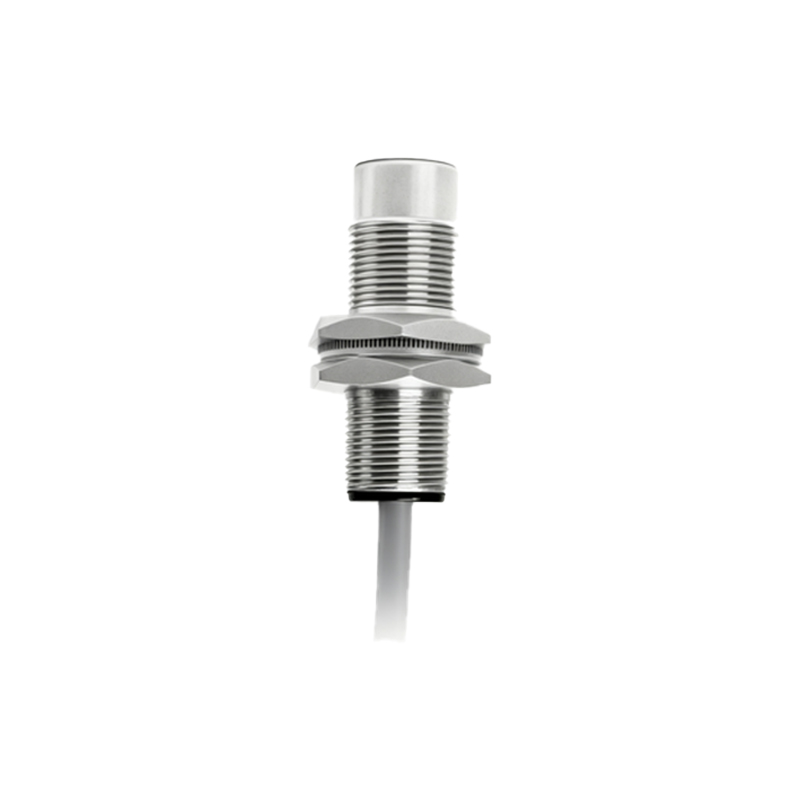
The fail-safe nature of normally closed proximity switches makes them indispensable in critical areas. A primary application is in machine safety, where they are integrated into emergency stop circuits, light curtains, or perimeter guarding systems. If the guard is breached, the sensor's state changes, opening the circuit and initiating a safe shutdown. They are also used in position verification; for instance, confirming a robotic arm is fully retracted before a cycle starts. In material handling, an NC sensor might monitor the presence of a pallet at a stop position; its absence (open circuit) prevents a conveyor from starting. This logic ensures processes only proceed when conditions are verifiably safe.
Selection Criteria and Installation Best Practices
Selecting the right NC proximity sensor involves several factors. First, determine the sensing technology: inductive for metals, capacitive for non-metals or liquids, and ultrasonic for longer ranges or varied surfaces. Next, consider the sensing range, ensuring a 20-30% margin to account for target variations and temperature effects. The housing material (e.g., stainless steel for harsh environments) and electrical specifications must match the application. During installation, maintain proper clearance from metal surfaces to prevent false triggering. Always verify the wiring against the datasheet diagram. For NC sensors, a crucial test is to simulate a fault (like disconnecting it) and confirm the control system interprets it as a safe stop condition.
Troubleshooting Common Issues
Even robust sensors can encounter problems. A frequent issue with NC sensors is unintended opening of the circuit without a target present, causing nuisance trips. This can stem from electrical noise interference, which is mitigated