Introduction to Proximity Sensors
Proximity sensors are widely used in industrial automation for detecting the presence or absence of objects without physical contact. These sensors operate based on various principles, including inductive, capacitive, ultrasonic, and optical technologies. Among these, inductive proximity sensors are particularly common in manufacturing environments due to their reliability and durability. However, a frequent question arises in the industry: Can proximity sensors effectively detect plastic materials? This article explores the capabilities and limitations of different proximity sensor types when it comes to sensing plastics, providing insights for engineers and technicians in the electrical and automation fields.
How Inductive Proximity Sensors Work
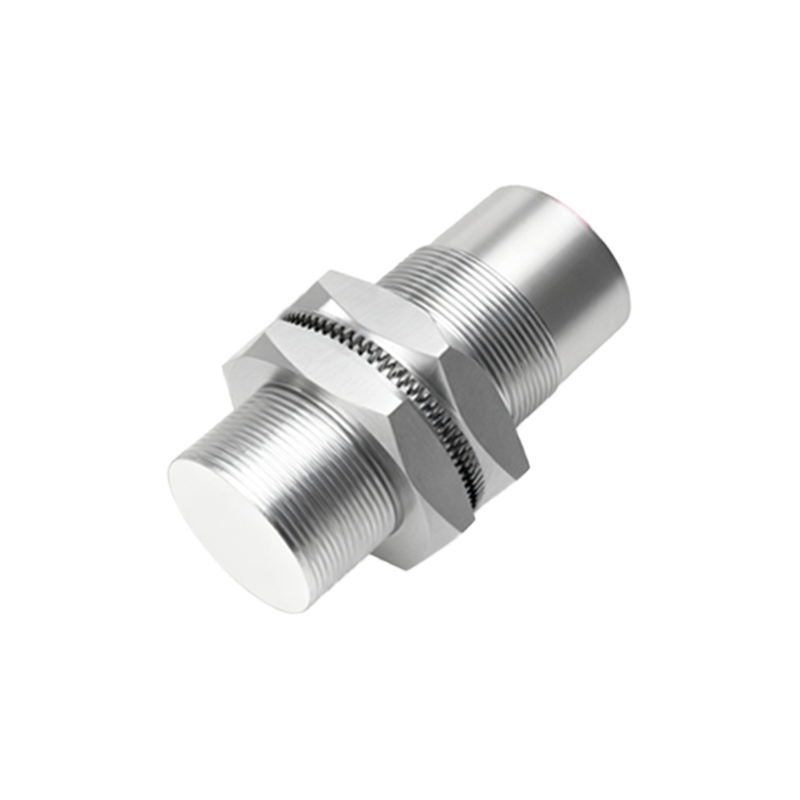
Inductive proximity sensors generate an electromagnetic field to detect metallic objects. When a metal target enters this field, it induces eddy currents, causing a change in the sensor's oscillation amplitude. This change triggers the sensor to output a signal, indicating the presence of the object. Since plastics are non-metallic and do not conduct electricity, standard inductive sensors cannot detect them directly. They are designed specifically for ferrous and non-ferrous metals, making them unsuitable for plastic detection in most applications. However, there are exceptions when plastics contain metallic additives or are coated with conductive materials, which might allow for indirect sensing.
Capacitive Proximity Sensors for Plastic Detection
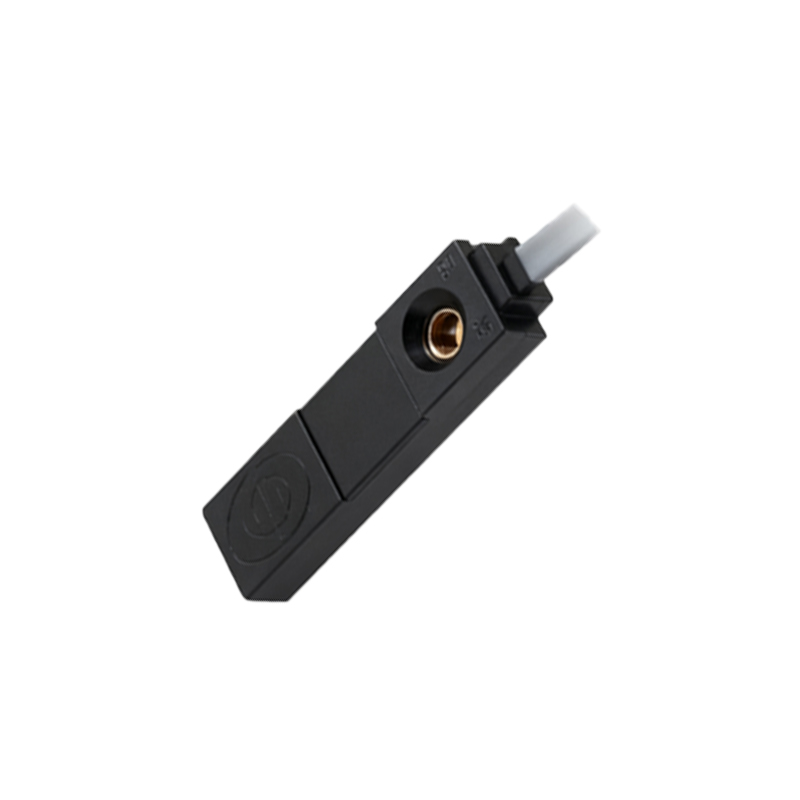
Capacitive proximity sensors offer a viable solution for detecting non-metallic materials like plastics. These sensors work by measuring changes in capacitance between the sensor and the target object. When a plastic item approaches the sensor, it alters the dielectric constant in the sensor's field, leading to a detectable change in capacitance. This makes capacitive sensors highly effective for plastics, liquids, powders, and other non-conductive substances. They are commonly used in packaging, food processing, and pharmaceutical industries where plastic containers or components need to be monitored. Key advantages include their ability to sense through non-metallic barriers and adjust sensitivity for different materials.
Ultrasonic and Optical Sensor Alternatives
For applications requiring precise detection of plastics, ultrasonic and optical proximity sensors are excellent alternatives. Ultrasonic sensors emit high-frequency sound waves and measure the time it takes for echoes to return after hitting an object. Since plastics reflect sound waves effectively, these sensors can reliably detect plastic items regardless of color, transparency, or surface texture. Optical sensors, including photoelectric and laser types, use light beams to sense objects. They are suitable for plastics but may face challenges with transparent or highly reflective surfaces, which can cause false readings. Both technologies provide non-contact detection with high accuracy, making them ideal for complex automation systems involving plastic materials.
Factors Affecting Plastic Detection Accuracy
Several factors influence the performance of proximity sensors when detecting plastics. Material composition plays a critical role; for instance, plastics with high dielectric constants (like PVC) are easier for capacitive sensors to detect than those with low constants (like polyethylene). Environmental conditions, such as humidity, temperature, and dust, can also impact sensor reliability, especially for capacitive and optical types. Additionally, the shape, size, and distance of the plastic object affect detection ranges and sensitivity settings. Engineers must consider these variables during sensor selection and installation to ensure optimal operation in industrial settings.
Practical Applications in Industry
In real-world industrial scenarios, proximity sensors for plastic detection are essential in various processes. Capacitive sensors are often used to monitor plastic bottle filling levels in beverage production lines, while ultrasonic sensors help in sorting plastic parts on conveyor belts. Optical sensors assist in detecting transparent plastic films in packaging machinery. These applications enhance efficiency, reduce waste, and improve safety by automating quality control and material handling. As industries increasingly adopt smart manufacturing and IoT integration, the demand for reliable plastic-sensing solutions continues to grow, driving innovation in sensor technology.
Conclusion and Recommendations
In summary, standard inductive proximity sensors cannot detect pure plastic materials due to their non-conductive nature. However, capacitive, ultrasonic, and optical proximity sensors provide effective alternatives for plastic detection in industrial automation. When selecting a sensor, engineers should evaluate material properties, environmental factors, and application requirements. Capacitive sensors are generally recommended for most plastic detection tasks, while ultrasonic and optical types offer specialized benefits for challenging conditions. By understanding these principles, professionals can implement robust sensing systems that optimize performance and reliability in diverse electrical and automation projects.