Enhanced Detection Capabilities
Diffuse photoelectric sensors offer significant advantages in detecting objects with varying surface properties. Unlike through-beam or retro-reflective sensors, diffuse sensors operate by emitting a light beam and detecting the reflection directly from the target object. This design eliminates the need for a separate receiver or reflector, simplifying installation and reducing costs. The sensors are particularly effective for detecting non-metallic materials, such as plastics, wood, and textiles, where other sensor types may struggle. Advanced models incorporate background suppression technology, which allows precise detection by ignoring reflections from surfaces beyond a set distance. This capability ensures reliable operation in environments with complex backgrounds, making diffuse sensors ideal for packaging, material handling, and assembly lines.
Flexibility in Application
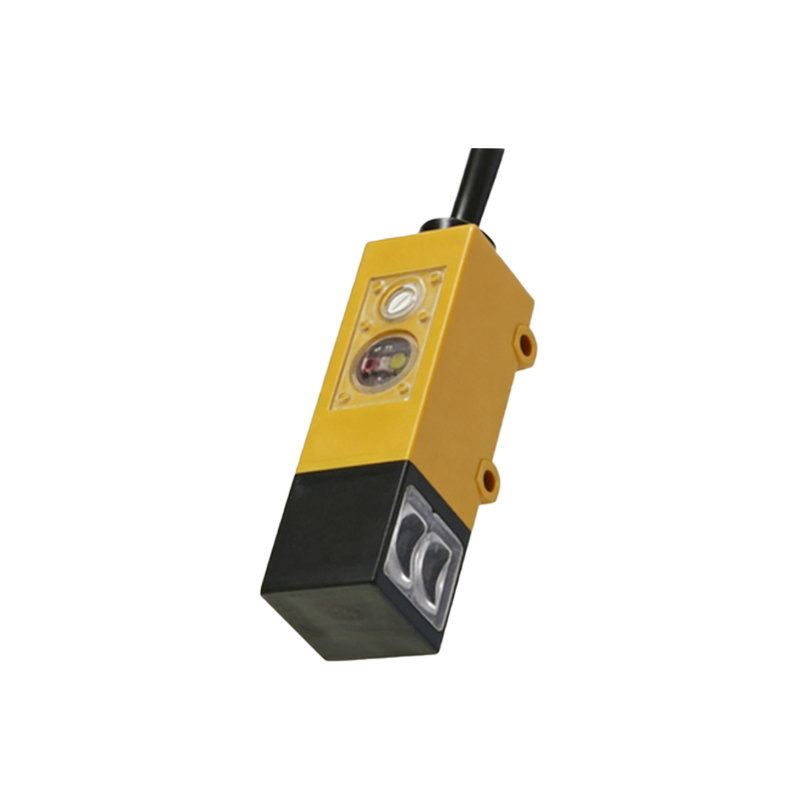
The versatility of diffuse photoelectric sensors makes them suitable for diverse industrial settings. They can detect objects at close ranges, typically from a few millimeters up to several meters, depending on the model and target reflectivity. This range adaptability allows for use in tight spaces or larger areas without compromising performance. Additionally, diffuse sensors are available in various form factors, including cylindrical, rectangular, and miniature designs, enabling integration into machinery with limited space. Their ability to function without alignment requirements—common in through-beam systems—reduces setup time and maintenance efforts. Industries such as automotive manufacturing, food processing, and logistics benefit from this flexibility, as sensors can be quickly deployed for tasks like part presence verification or conveyor belt monitoring.
Cost-Effectiveness and Ease of Use
From an economic perspective, diffuse photoelectric sensors provide a cost-efficient solution for many automation needs. By combining the emitter and receiver in a single unit, they reduce hardware expenses and simplify wiring compared to dual-component systems. This integration also minimizes potential points of failure, leading to lower long-term maintenance costs. Users appreciate the straightforward setup process, which often involves simple adjustments via potentiometers or digital interfaces for sensitivity and range settings. Many modern diffuse sensors feature intuitive LED indicators for alignment and status monitoring, further enhancing usability. In small to medium-sized enterprises, where budget constraints are common, these sensors offer a reliable and affordable option for improving operational efficiency without extensive technical expertise.
Robust Performance in Harsh Environments
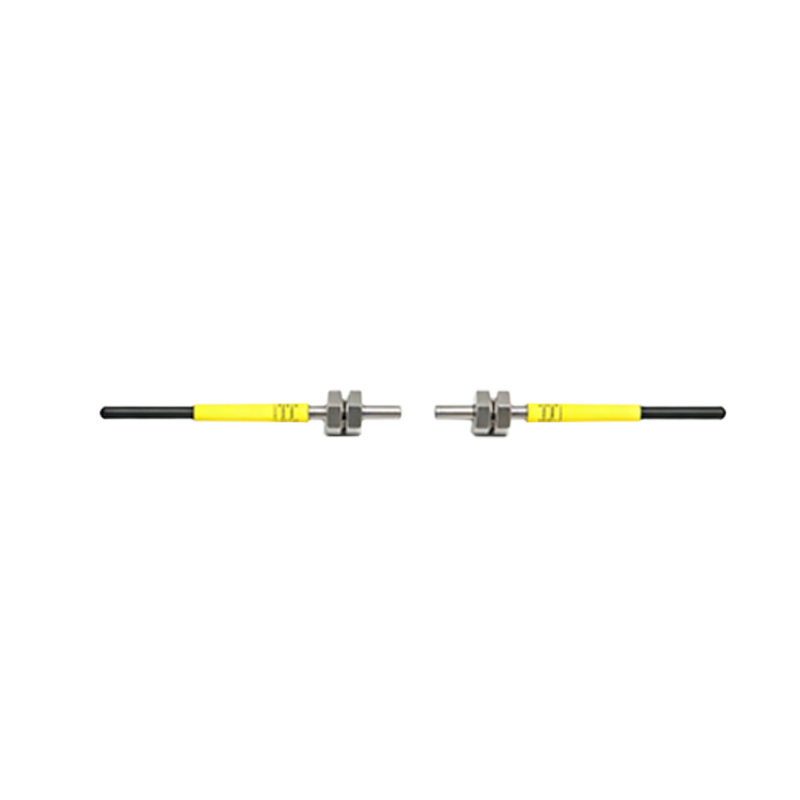
Diffuse photoelectric sensors are engineered to withstand challenging industrial conditions. They are typically housed in rugged enclosures made from materials like stainless steel or durable plastics, providing resistance to dust, moisture, and mechanical impacts. IP-rated models (e.g., IP67 or IP69K) ensure reliable operation in wet or dirty environments, such as washdown areas in food production or outdoor applications. The sensors' insensitivity to ambient light interference—achieved through modulated infrared or visible light beams—prevents false triggers, ensuring accurate detection even under bright lighting. This robustness translates to reduced downtime and increased productivity, as sensors continue to perform consistently in settings like mining, agriculture, or heavy machinery where environmental factors are unpredictable.
Integration with Smart Systems
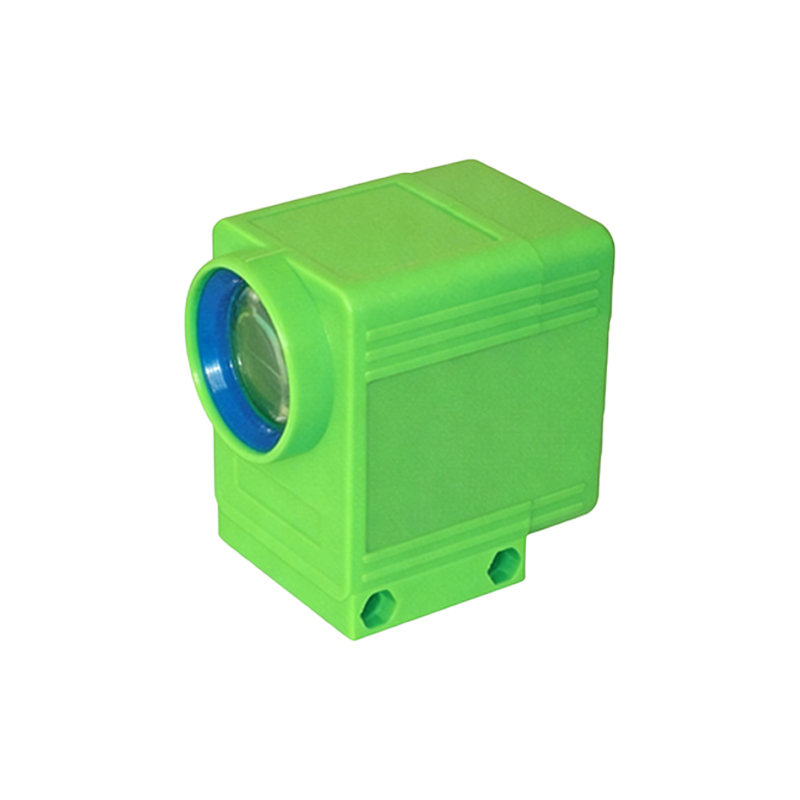
With the rise of Industry 4.0, diffuse photoelectric sensors have evolved to support connectivity and data exchange. Many models now include IO-Link or Ethernet interfaces, enabling seamless integration into networked automation systems. This allows for remote configuration, real-time diagnostics, and predictive maintenance, where sensor data can be analyzed to anticipate failures or optimize processes. The ability to adjust parameters on-the-fly via software enhances adaptability in dynamic production lines. For example, in smart factories, these sensors contribute to inventory tracking and quality control by providing continuous feedback to central controllers. Their compatibility with PLCs and IoT platforms makes them a valuable component in building efficient, automated workflows that respond to changing demands.