Understanding the Challenge of Ambient Light Interference
In industrial automation, the reliability of a photoelectric sensor is paramount. One of the most persistent and challenging forms of interference is ambient sunlight. Standard photoelectric sensors, which operate by detecting the presence or absence of a light beam, can be easily "blinded" or triggered erroneously by intense sunlight. This light contains a broad spectrum, including the infrared (IR) wavelengths commonly used by many sensors. When sunlight floods a sensing area, it can saturate the receiver, making it impossible to distinguish the sensor's own modulated signal from the background noise. This leads to false triggers, missed detections, and ultimately, costly production downtime, safety hazards, and compromised system integrity.
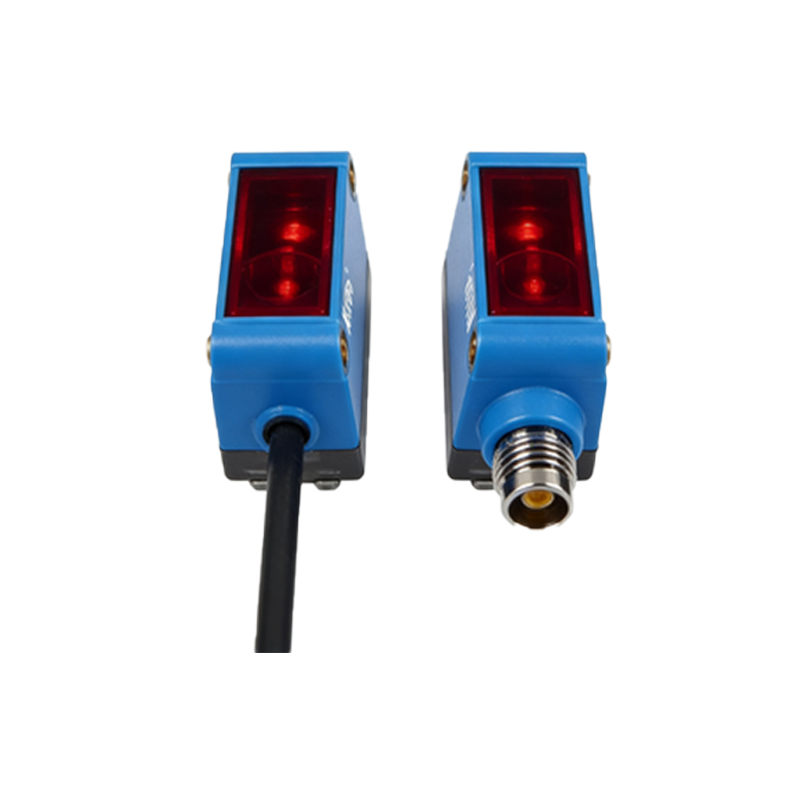
The Core Technology: Modulated Light and Synchronous Detection
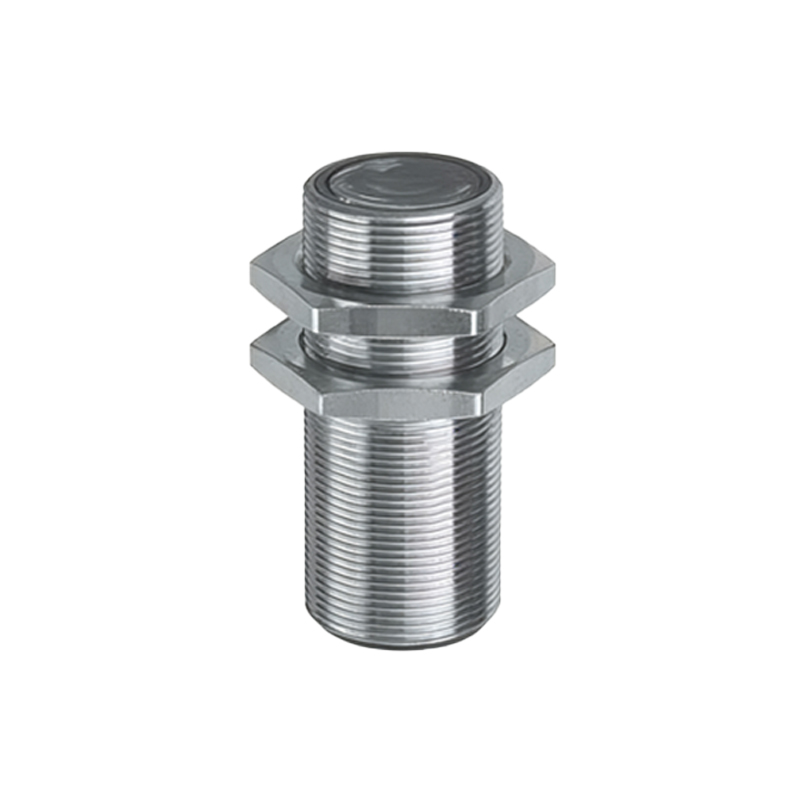
The fundamental solution employed by sunlight-resistant photoelectric sensors is the use of modulated light and synchronous detection. Unlike a simple, continuous beam of light, these sensors emit a pulsed or frequency-modulated infrared signal. This modulation is akin to a rapidly flashing light at a very specific, predetermined frequency. The receiver circuit is then finely tuned to recognize and respond only to light pulsing at that exact frequency. Ambient sunlight, while powerful, is generally constant or randomly variable. The sensor's electronics effectively filter out all light signals except for the precise modulation it is programmed to detect. This synchronous detection method allows the sensor to operate reliably even when the ambient light intensity is thousands of times stronger than its own emitted signal.
Key Performance Metrics: Lux Rating and Optical Filters
The performance of an anti-sunlight sensor is quantitatively defined by its lux immunity rating. This specification indicates the maximum intensity of ambient light under which the sensor can guarantee stable operation. High-performance models are rated for 20,000 lux, 30,000 lux, or even higher. Direct sunlight can reach approximately 100,000 lux, so a 30,000 lux sensor is suitable for most outdoor or brightly lit indoor applications. Complementing this is the use of specialized optical filters. These are physical filters placed over the receiver lens that are designed to block specific wavelengths of light, particularly those in the visible spectrum, while allowing the sensor's IR wavelength to pass through. This combination of electronic filtering (modulation) and physical filtering provides a robust, multi-layered defense against optical noise.
Application-Specific Design Considerations
Selecting the right sunlight-resistant sensor requires careful analysis of the application. For long-range detection or in environments with extreme glare, a polarized retro-reflective sensor is often the best choice. It uses a special corner-cube reflector and a polarizing filter to reject reflections from shiny surfaces, which can mimic sunlight interference. In contrast, through-beam sensors, with separate emitter and receiver units, offer the highest inherent immunity due to their powerful signal strength and are ideal for the most challenging, long-distance outdoor applications. Diffuse sensors, which detect light reflected directly from the target, are more susceptible but modern versions with advanced background suppression technology can perform well in controlled, high-ambient-light conditions.
Installation and Maintenance Best Practices
Even the most advanced sensor can fail if installed incorrectly. Proper alignment is critical, especially for through-beam and retro-reflective types; even slight misalignment can drastically reduce signal strength. The sensor should be positioned, whenever possible, to avoid direct exposure to the sun's path. Using mounting brackets with sunshades or hoods can provide physical protection. Regular maintenance is essential: the lenses must be kept clean from dust, dirt, and moisture, as buildup can scatter light and reduce performance. Periodically verifying the sensor's stability under the brightest expected conditions, rather than just at installation, is a key step in ensuring long-term reliability.
The Future: Smarter Sensors and Integration
The evolution of sunlight-resistant technology is moving towards greater intelligence and connectivity. Modern sensors now incorporate diagnostic LEDs that indicate signal strength, allowing for quick visual confirmation of performance. IO-Link enabled sensors can provide real-time data on received light intensity, temperature, and operating status to a central controller, enabling predictive maintenance. Furthermore, advancements in laser-based diode technology and digital signal processing (DSP) are pushing the boundaries of range, precision, and immunity. These smarter sensors not only resist sunlight but also communicate their health, seamlessly integrating into the framework of Industry 4.0 and smart factory ecosystems.