Introduction to Proximity Switch Fundamentals
Proximity switches, or proximity sensors, are indispensable components in modern industrial automation. These non-contact sensors detect the presence or absence of a target object without physical touch, offering high reliability and longevity. Among the various configurations, the 3-wire DC sensor is the most prevalent in industrial settings. This design typically comprises three distinct wires: one for power supply (brown or red), one for the ground or common return (blue), and one for the output signal (black). The 3-wire system provides a clear separation of power and signal, simplifying wiring and diagnostics compared to 2-wire versions. The operating principle is based on generating an electromagnetic field; when a metallic target enters this field, it causes a change in the oscillator's amplitude or frequency, which is then processed by the sensor's circuitry to trigger a solid-state output switch.
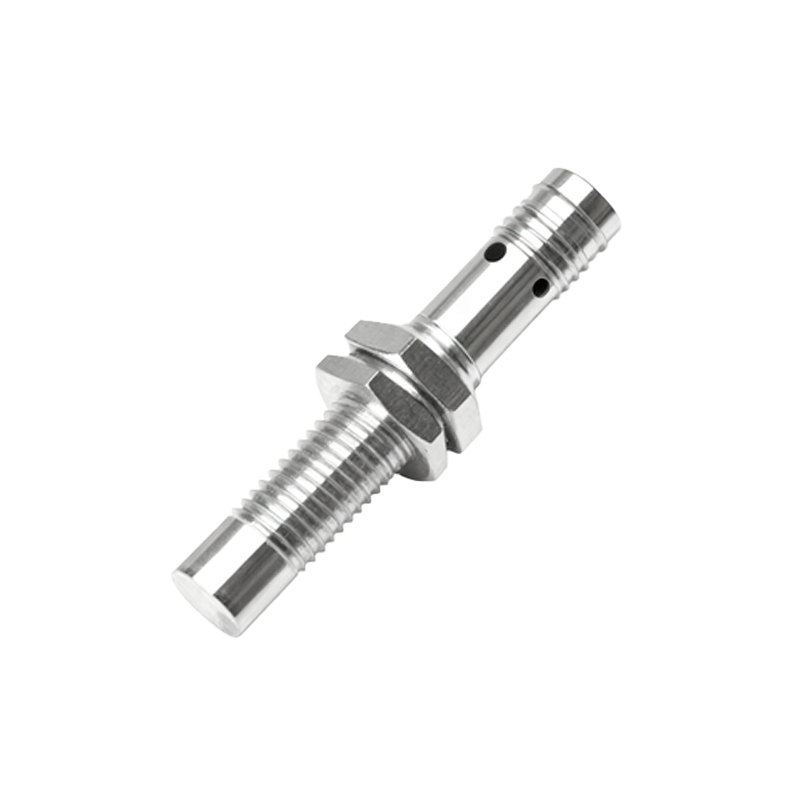
Decoding NPN Output Configuration
The term "NPN" refers to the type of transistor used in the sensor's output stage. In an NPN sensor, the output transistor is switched on to connect the load to the common negative (0V) line. This creates a "sinking" output. When the sensor is inactive (no target detected), the output wire (black) is in a high-impedance state (floating). Upon detection, the internal NPN transistor saturates, effectively connecting the black output wire to the blue common wire (0V). To complete the circuit, the load (e.g., a PLC input, relay coil, or indicator lamp) must be connected between the positive supply voltage (+24V) and the sensor's black output wire. Current flows from +24V, through the load, into the black wire, and out through the blue wire to 0V. This configuration is widely used in European and Asian markets and is often considered the standard for PLC sinking input modules.
The Significance of a 24V DC Power Supply
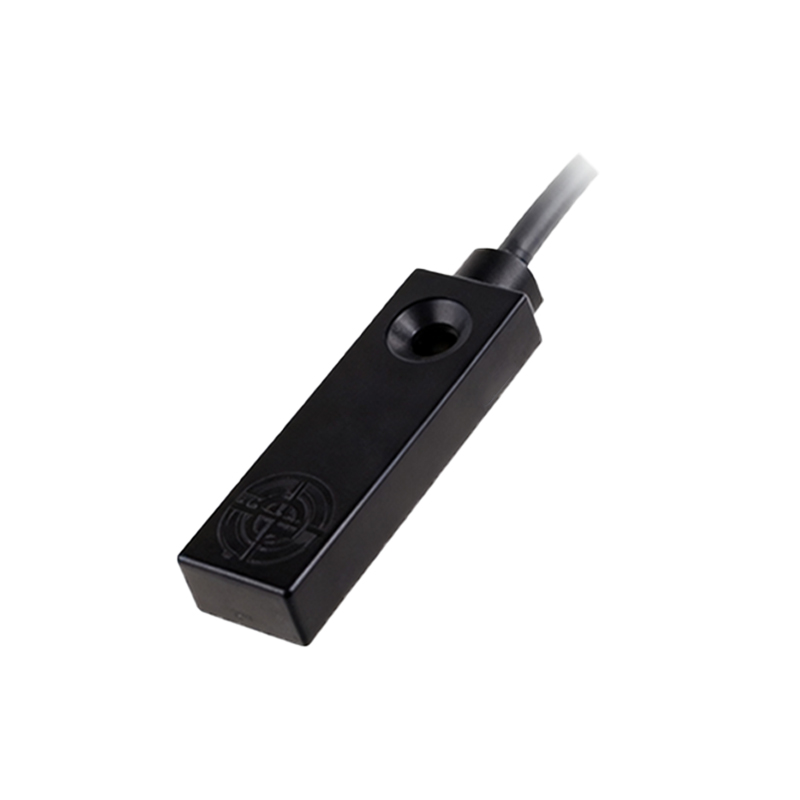
The 24V DC rating is a global industrial standard for control circuits, and proximity switches are designed to operate within this ecosystem. This low voltage enhances safety for personnel and equipment compared to higher AC voltages. A 24V DC supply offers stable operation, is less susceptible to electrical noise in industrial environments, and is compatible with Programmable Logic Controllers (PLCs), safety circuits, and other control devices. When specifying a 3-wire NPN 24V sensor, it is crucial to verify its operating voltage range, often listed as 10-30V DC. This range allows for tolerance in the power supply and voltage drops across long wire runs. Consistent, clean power is essential; using a regulated power supply and proper shielding minimizes false triggering and ensures sensor longevity.
Wiring and Installation Best Practices
Correct installation is paramount for reliable operation. First, always refer to the manufacturer's datasheet for the specific wire color code, as brown (L+), blue (L- or M), and black (Out) is common but not universal. For a standard 3-wire NPN 24V sensor, connect the brown wire to the +24V DC supply terminal. Connect the blue wire to the 0V DC supply terminal. The black output wire is connected to one terminal of your load device. The other terminal of the load must then be connected back to the +24V supply. Ensure all connections are tight and use conduit or cable carriers in high-vibration areas. Maintain the specified sensing distance, and be mindful of the sensor's mounting style (flush, non-flush) and the target material's properties, as these factors influence the effective sensing range.
Application Scenarios and Selection Criteria
3-wire NPN 24V proximity switches find applications across countless industries. Common uses include object detection on conveyor lines, position sensing of cylinders via metal flags, part counting in assembly machines, and limit switching in automated guided vehicles (AGVs). When selecting a sensor, engineers must consider several key parameters beyond just the wiring and voltage. The sensing distance (rated operating distance) must be suitable for the application with an appropriate safety margin. The housing material (e.g., nickel-plated brass, stainless steel) should withstand the environmental conditions, including exposure to coolants, oils, or washdowns. The output current rating must be sufficient to drive the connected load. Finally, the switching frequency specification determines how fast the sensor can detect objects passing by, which is critical for high-speed applications.
Troubleshooting Common Issues
Even robust sensors can encounter problems. A systematic approach to troubleshooting is essential. If the sensor fails to operate, first verify the power