Introduction to Photoelectric Sensors
Photoelectric sensors are indispensable components in modern industrial automation, offering non-contact detection of objects based on light modulation. Among the various types available, the EESX series stands out for its reliability and versatility. These sensors operate by emitting a beam of light, typically infrared, visible red, or laser, and detecting changes in the received light intensity caused by the presence or absence of a target object. The EESX models are engineered to perform consistently in demanding environments, making them suitable for applications ranging from packaging and material handling to assembly line monitoring and safety systems. Their ability to detect objects regardless of material composition—be it metal, plastic, wood, or glass—provides a significant advantage over other sensing technologies like proximity sensors, which are often limited to metallic targets.
Key Features of the EESX Series
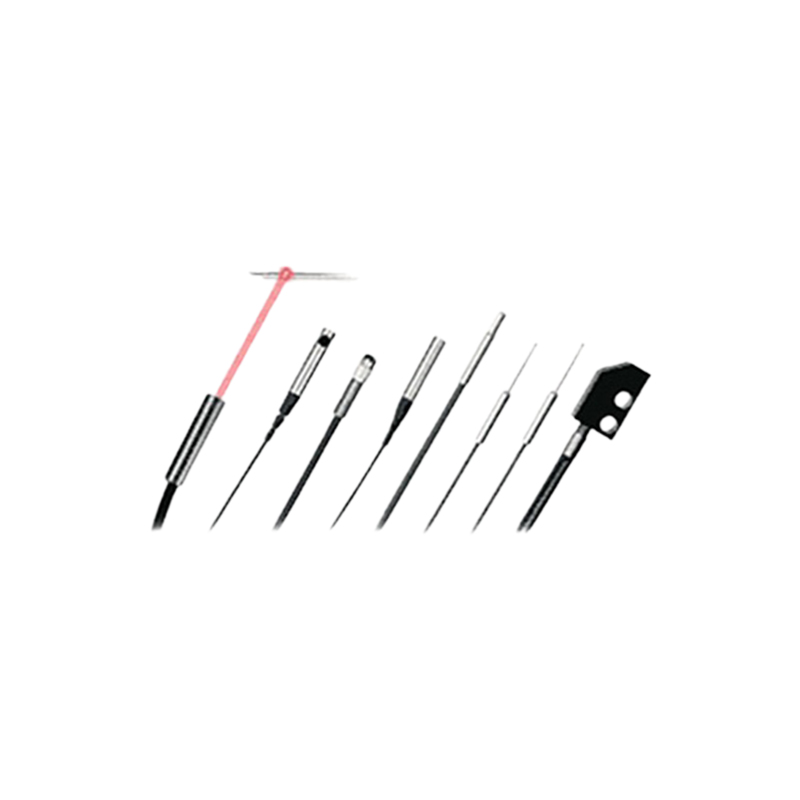
The EESX photoelectric sensor series incorporates several advanced features that enhance its performance and durability. One notable characteristic is its robust housing, designed to withstand harsh industrial conditions, including exposure to dust, moisture, and mechanical vibrations. Many EESX models offer IP67 or higher ingress protection ratings, ensuring reliable operation in wet or dirty environments. Additionally, these sensors often include adjustable sensing ranges and sensitivity controls, allowing users to fine-tune detection parameters for specific applications. Some variants come with built-in timers or logic functions, enabling delay-on or delay-off operations without external controllers. The EESX series also supports multiple output types, such as NPN, PNP, or relay outputs, facilitating seamless integration with various programmable logic controllers (PLCs) and control systems. Energy efficiency is another highlight, with low power consumption models available for battery-operated or energy-sensitive setups.
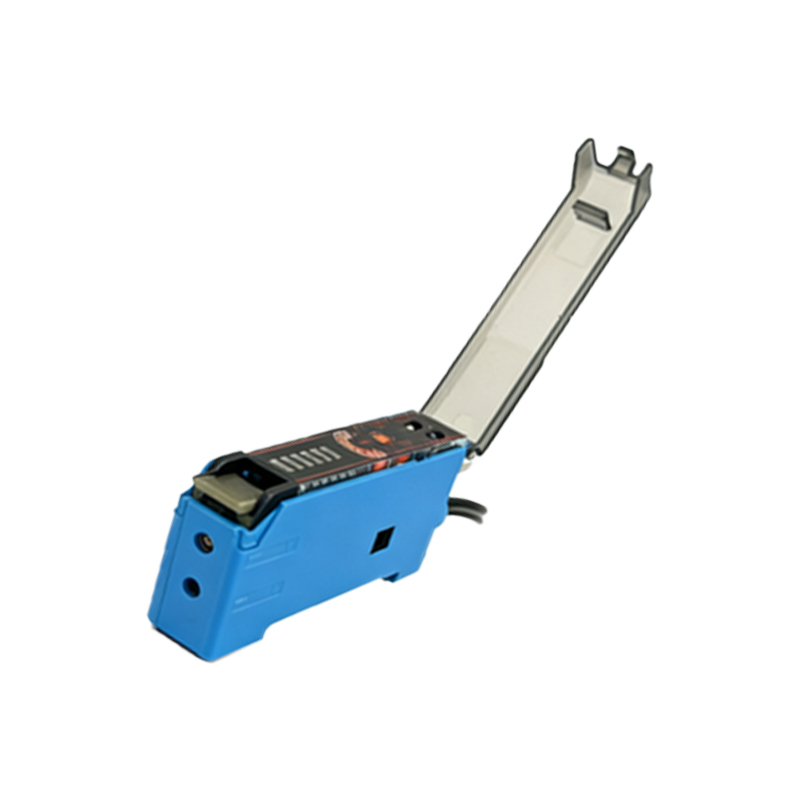
Operating Principles and Sensing Modes
EESX photoelectric sensors utilize three primary sensing modes: through-beam, retro-reflective, and diffuse reflective. In through-beam mode, the emitter and receiver are separate units installed opposite each other; detection occurs when an object interrupts the light beam. This mode offers the longest sensing distances and high accuracy, ideal for precise positioning tasks. Retro-reflective mode uses a single unit that houses both emitter and receiver, along with a reflector; the sensor detects objects that block the reflected light. It provides a good balance between range and ease of installation. Diffuse reflective mode, also known as proximity mode, relies on light reflected directly from the target object. While it has shorter ranges, it simplifies setup by eliminating the need for a separate receiver or reflector. The EESX series often includes background suppression technology in diffuse models, which ignores distant objects or backgrounds, reducing false triggers and improving detection reliability for closely positioned items.
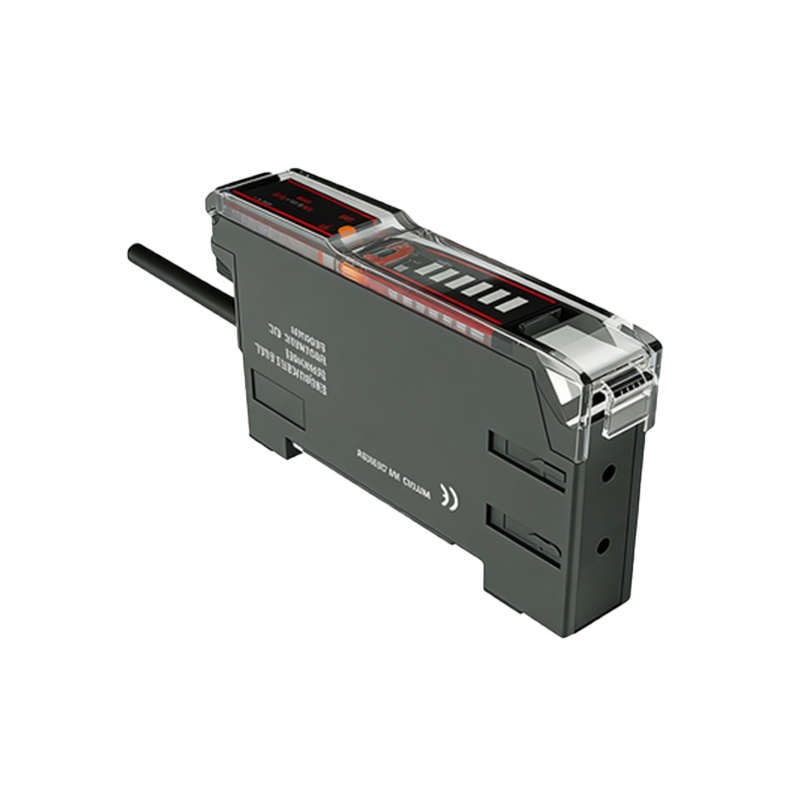
Application Scenarios in Industry
In industrial settings, EESX photoelectric sensors serve critical roles across numerous sectors. In manufacturing, they are used for part presence verification on conveyor belts, ensuring components are correctly positioned before assembly or packaging. The food and beverage industry employs these sensors for bottle cap detection, fill level monitoring, and label verification, where hygiene and precision are paramount. In automotive plants, EESX sensors assist in robot guidance, weld seam tracking, and door gap inspection, contributing to quality control. Logistics and warehousing benefit from their ability to count boxes, detect pallet positions, and manage inventory flow in automated storage systems. Safety applications include light curtains and area guarding, where sensors detect personnel entry into hazardous zones, triggering machine shutdowns to prevent accidents. The versatility of the EESX series allows customization through accessories like fiber optic cables or mounting brackets, adapting to space-constrained or high-temperature areas.
Installation and Maintenance Best Practices
Proper installation is crucial for optimal EESX sensor performance. When mounting, ensure the sensor is aligned correctly with the target path, avoiding obstructions that could cause unintended beam blockage. Environmental factors like ambient light, dust, or steam should be considered; using sensors with modulated light or polarizing filters can mitigate interference from sunlight or other light sources. Regular maintenance involves cleaning lenses with a soft cloth to prevent dirt buildup, which can attenuate light signals and reduce sensing range. Check wiring connections periodically for corrosion or looseness, especially in humid or vibrating environments. For troubleshooting, most EESX models feature LED indicators that display power status, output activation, and stability, aiding in quick diagnostics. It is advisable to consult the manufacturer’s datasheet for specific calibration procedures and environmental limits, such as operating temperature ranges, which typically span from -25°C to 55°C for standard models.
Advantages Over Alternative Sensor Technologies
Compared to inductive or capacitive sensors, EESX photoelectric sensors offer distinct benefits. Their non-contact nature eliminates wear and tear, ensuring longer service life and reduced maintenance costs. They can detect non-metallic objects, which is a limitation for inductive sensors, and are less affected by color or surface texture variations than capacitive sensors. In terms of speed, photoelectric sensors provide faster response times, often in the millisecond range, making them suitable for high-speed production lines. The EESX series, in particular, excels in long-range detection—some models achieve distances up to several meters—outperforming many alternatives. Additionally, their compact design allows installation in tight spaces where larger sensors might not fit. However, challenges like transparency detection or performance in foggy conditions may require specialized models with laser light sources or background suppression features, which the EESX lineup often includes.
Future Trends and Innovations
The evolution of photoelectric sensors, including the EESX series, is driven by Industry 4.0 and smart manufacturing trends. Future iterations are expected to incorporate IoT connectivity, enabling real-time data transmission for predictive maintenance and system analytics. Enhanced diagnostics via digital interfaces or mobile apps could simplify configuration and monitoring. Advances in light source technology, such as blue laser or LED improvements, may extend sensing capabilities to smaller or more reflective targets. Energy harvesting options might emerge, reducing dependency on wired power sources. As industries demand higher precision and adaptability, EESX sensors will likely integrate more intelligent functions, like automatic calibration or adaptive sensing thresholds, to optimize performance in dynamic environments. These innovations will further solidify their role as key enablers of efficient, automated industrial processes.