Introduction to Photoelectric Sensors in Logistics
Photoelectric sensors are pivotal components in modern logistics systems, enabling automation, efficiency, and reliability. These devices operate by detecting the presence, absence, or position of objects using light beams, typically in the form of infrared, visible, or laser light. In logistics environments, such as warehouses, distribution centers, and conveyor systems, photoelectric sensors facilitate tasks like sorting, counting, and monitoring packages without physical contact. Their non-invasive nature minimizes wear and tear, ensuring longevity and reducing maintenance costs. This article delves into the working principles of logistics photoelectric sensors through detailed diagrams, highlighting their applications and benefits in streamlining supply chain operations.
Basic Working Principle of Photoelectric Sensors
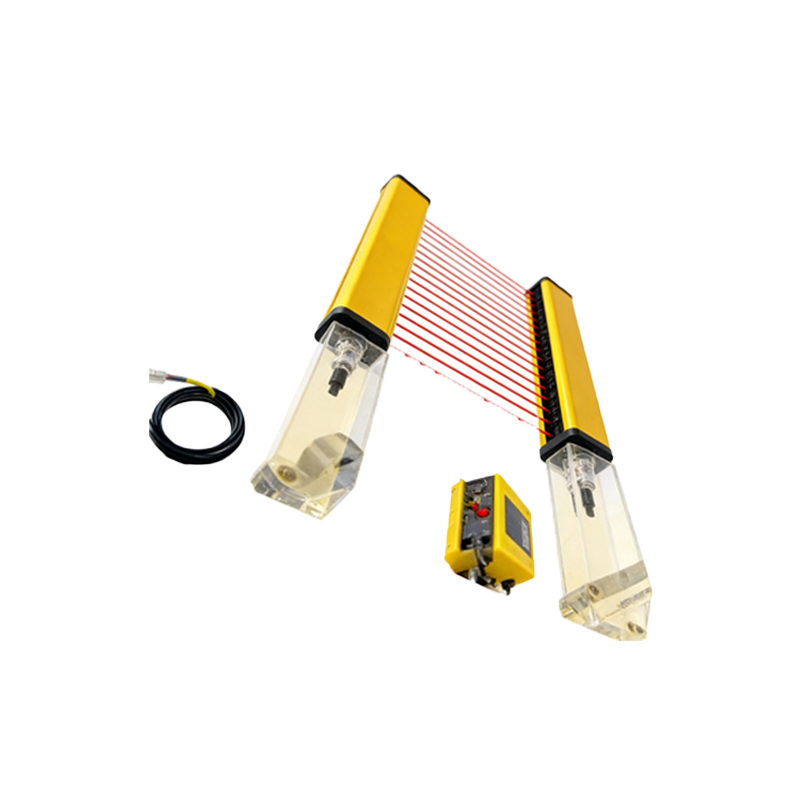
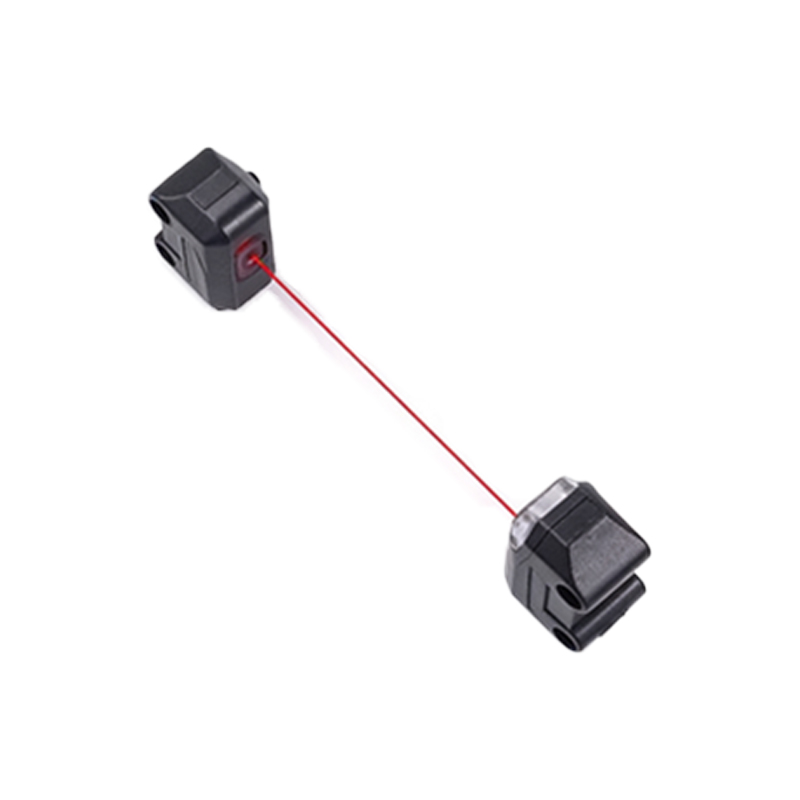
At its core, a photoelectric sensor consists of an emitter that projects a light beam and a receiver that detects changes in that beam. When an object interrupts or reflects the light, the receiver senses this alteration and triggers an electrical signal. This process relies on the photoelectric effect, where light photons interact with materials to generate an electric current. In logistics, sensors are often configured in through-beam, retro-reflective, or diffuse-reflective modes. Through-beam sensors use separate emitter and receiver units, offering long-range detection, while retro-reflective types employ a reflector to bounce light back, and diffuse-reflective models detect light scattered off objects. Diagrams illustrate these setups, showing how light paths are manipulated for precise object detection in fast-paced logistics scenarios.
Key Components and Their Functions
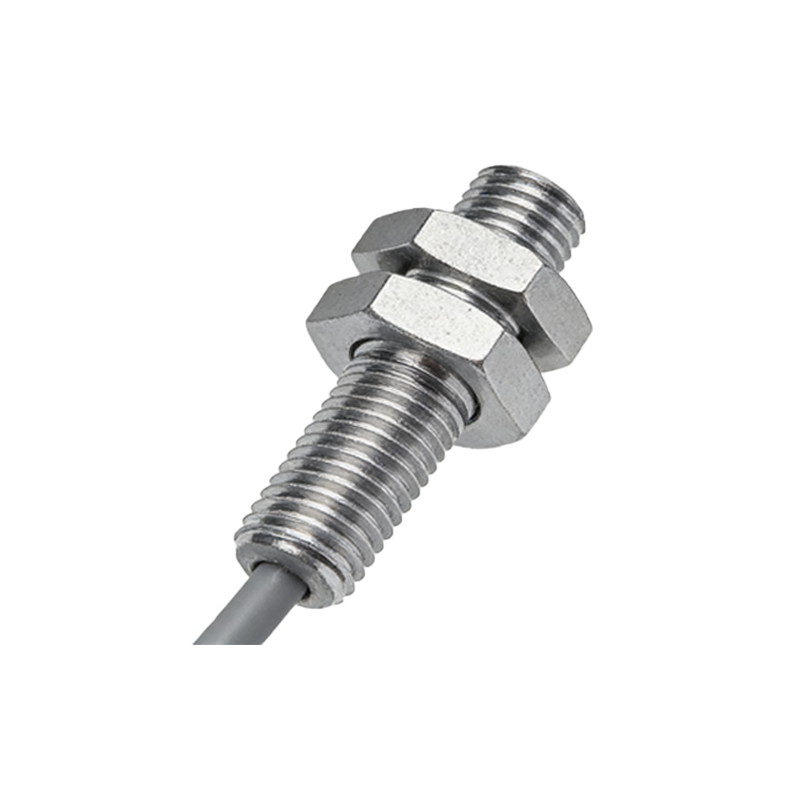
A typical logistics photoelectric sensor comprises several essential parts: the light source (e.g., LED or laser diode), lens system, photodetector (such as a phototransistor or photodiode), and signal processing circuitry. The light source emits a modulated beam to reduce interference from ambient light, enhancing accuracy in varied lighting conditions. Lenses focus the beam for targeted detection, while the photodetector converts light intensity changes into electrical signals. Signal processors then amplify and filter these signals to output clear commands to control systems like PLCs (Programmable Logic Controllers). Diagrams break down these components, demonstrating how they integrate to form robust sensors capable of withstanding dust, vibrations, and temperature fluctuations common in logistics settings.
Types of Photoelectric Sensors Used in Logistics
Logistics applications utilize specific sensor types tailored to operational needs. Through-beam sensors are ideal for high-speed conveyor belts, detecting objects up to several meters away with high precision. Retro-reflective sensors suit mid-range tasks, such as pallet positioning, by using reflectors to maintain beam integrity. Diffuse-reflective sensors, with their compact design, excel in close-range detection for item counting or presence verification. Additionally, background suppression sensors ignore distant objects, focusing only on predefined ranges to avoid false triggers. Diagrams compare these types, showcasing their light paths and typical installation points in logistics workflows, helping engineers select the right sensor for tasks like inventory management or automated guided vehicle (AGV) navigation.
Circuit Diagrams and Signal Flow
Understanding the internal circuitry of photoelectric sensors is crucial for troubleshooting and optimization. Circuit diagrams depict how the emitter drives the light source with a constant or pulsed current, while the receiver circuit includes amplifiers, comparators, and output stages. When an object disrupts the light, the photodetector's resistance changes, altering the voltage across it. This signal is amplified and compared to a threshold set by potentiometers or digital settings, generating a digital output (e.g., NPN or PNP) that interfaces with logistics control systems. Diagrams illustrate this signal flow, emphasizing noise reduction techniques and power supply considerations to ensure reliable operation in electrically noisy industrial environments.
Applications in Logistics Automation
Photoelectric sensors are integral to various logistics automation processes. In sorting systems, they identify package sizes and direct them to appropriate chutes, as shown in diagrams mapping sensor placements along conveyor lines. For inventory tracking, sensors monitor stock levels on shelves, triggering reorder alerts when items are low. In safety applications, they create light curtains to protect workers from machinery hazards. AGVs rely on sensors for obstacle detection and path following, enhancing warehouse mobility. Diagrams highlight these use cases, illustrating how sensor networks communicate with central systems to optimize throughput, reduce errors, and improve overall logistics efficiency.
Advantages and Challenges in Logistics Use
The benefits of photoelectric sensors in logistics include high-speed response, non-contact operation, and versatility across different object materials. They contribute to reduced downtime and energy savings by enabling precise control. However, challenges like ambient light interference, dust accumulation on lenses, and alignment issues in large facilities can affect performance. Diagrams provide solutions, such as using polarized filters or housings with IP ratings for protection. Regular maintenance, guided by schematic diagrams, ensures sensors remain calibrated and functional, supporting continuous logistics operations without disruptions.
Future Trends and Innovations
Emerging trends in photoelectric sensors for logistics involve integration with IoT (Internet of Things) and AI (Artificial Intelligence) for smarter monitoring. Advanced sensors now feature Ethernet connectivity and data logging capabilities, allowing real-time analytics on package flow. Miniaturization and enhanced sensitivity enable detection of smaller items, while energy-efficient designs support sustainable logistics. Diagrams project future systems where sensors communicate wirelessly, forming adaptive networks that self-adjust to changing environments. These innovations promise to further revolutionize logistics by increasing automation levels and reducing human intervention.
Conclusion and Best Practices
In summary, photoelectric sensors are indispensable tools in logistics, driven by straightforward yet effective principles. By studying diagrams of their components and circuits, engineers can better deploy and maintain these sensors for optimal performance. Best practices include selecting sensors based on range and environmental conditions, regularly cleaning optical surfaces, and integrating them with robust control systems. As logistics evolves toward greater automation, photoelectric sensors will continue to play a key role in enhancing accuracy, safety, and efficiency across global supply chains.