Introduction to Modern Proximity Sensors
Proximity sensors have become indispensable components in the landscape of industrial automation, serving as the critical "eyes" of machinery. These non-contact detection devices identify the presence or absence of objects within their sensing field, triggering subsequent actions in a control system. The fundamental principle involves emitting an electromagnetic field or a beam of electromagnetic radiation and looking for changes in the field or return signal. The evolution from basic inductive and capacitive models to sophisticated, intelligent variants marks a significant leap. Modern proximity sensors offer unparalleled reliability, precision, and versatility, directly contributing to enhanced productivity, stringent quality control, and robust safety protocols across manufacturing, packaging, automotive, and material handling sectors. Their ability to function in harsh environments—resisting dust, moisture, and extreme temperatures—further solidifies their role as a cornerstone of Industry 4.0 and smart factory initiatives.
Core Technologies and Operating Principles
The performance of a proximity sensor is dictated by its underlying technology. Inductive sensors remain the workhorse for detecting metallic objects. They generate an oscillating electromagnetic field; when a metal target enters this field, it induces eddy currents that dampen the oscillation, signaling detection. Capacitive sensors, conversely, can detect both metallic and non-metallic materials like plastics, wood, or liquids. They function by measuring changes in capacitance between the sensor and the target. Ultrasonic sensors use sound waves beyond human hearing, calculating distance based on the time-of-flight of the reflected echo, making them ideal for level detection or presence sensing of varied materials. Photoelectric sensors, employing light beams (visible, infrared, or laser), offer the longest sensing ranges and high speed, but can be affected by environmental factors like ambient light or target color. Each technology presents a unique set of advantages, with selection heavily dependent on the specific application requirements, target material, required sensing distance, and environmental conditions.
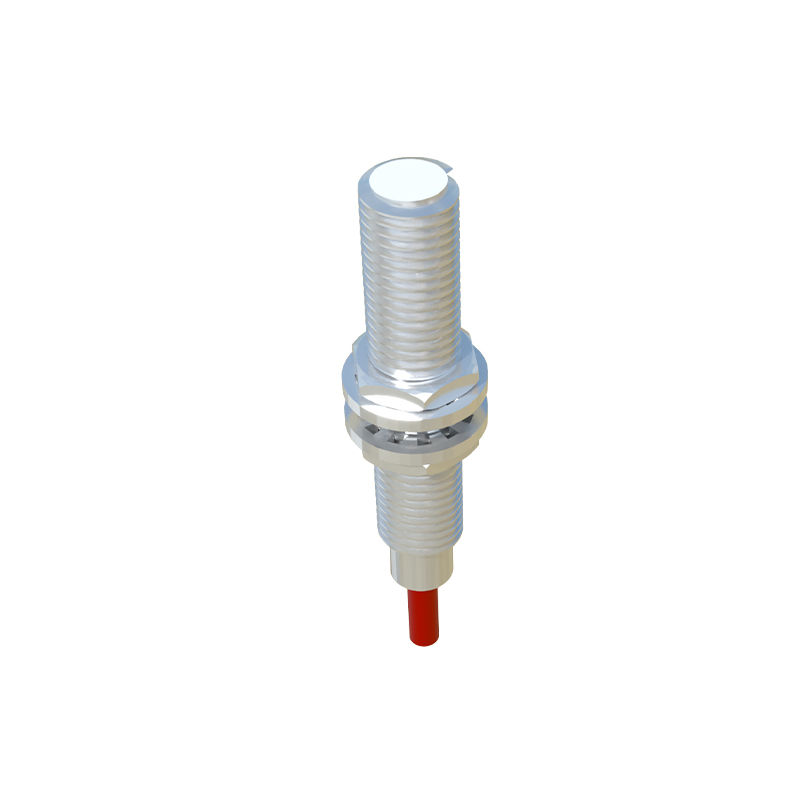
Key Advancements and Innovative Features
Recent years have witnessed transformative advancements in proximity sensor design and functionality. A primary trend is miniaturization, allowing sensors to be installed in space-constrained applications without sacrificing performance. Enhanced sensing ranges and improved resolution enable detection of smaller objects or more precise positioning. The integration of IO-Link communication is a game-changer, transforming simple sensors into intelligent data points. IO-Link enables bidirectional communication, allowing for remote parameter configuration, real-time diagnostics, and process data monitoring (e.g., signal strength, temperature). This facilitates predictive maintenance, as potential issues like sensor contamination or misalignment can be identified before causing downtime. Furthermore, advanced models now incorporate robust housing designs with higher IP (Ingress Protection) and IK (Impact Protection) ratings, ensuring reliable operation in washdown environments or areas with physical impact risks. The development of hybrid sensors that combine multiple sensing principles in one housing is also emerging, offering greater application flexibility.
Application in Industrial Automation and Robotics
In automated production lines, proximity sensors are ubiquitous. They perform critical tasks such as part counting, position verification, end-of-travel detection for cylinders, and jam detection in conveyor systems. In robotic cells, they ensure safe and precise operation. For instance, they are used for gripper position feedback, palletizing sequence control, and as part of safety light curtains to create protective zones. The high-speed response of modern sensors is crucial for synchronizing high-throughput packaging machinery. In CNC machining centers, inductive sensors provide accurate tool presence detection and workpiece positioning, directly impacting machining accuracy and tool life. The reliability of these sensors minimizes false triggers and unplanned stoppages, which is essential for maintaining Overall Equipment Effectiveness (OEE) and lean manufacturing principles.
Enhancing Safety Systems and Predictive Maintenance
Beyond pure automation, proximity sensors are vital for functional safety. They are integral components in safety interlock systems on machine guards, ensuring equipment only operates when access doors are securely closed. Non-contact sensing eliminates mechanical wear associated with limit switches, leading to more reliable safety circuits. The diagnostic capabilities enabled by smart sensors feed directly into predictive maintenance strategies. By continuously monitoring operational parameters, these sensors can alert operators to gradual performance degradation—such as a buildup of debris on a sensor face or increasing temperature—allowing for scheduled intervention during planned downtime. This shift from reactive to proactive maintenance drastically reduces costly emergency repairs, extends machinery lifespan, and enhances overall plant safety by preventing failures that could lead to hazardous situations.
Selection Criteria and Future Outlook
Selecting the optimal proximity sensor requires a systematic analysis of several factors. Engineers must define the target material (metal, plastic, liquid), the required sensing distance, the operating environment (temperature, presence of chemicals or washdown), the required output type (PNP/NPN, analog, IO-Link), and the