What Are High Temperature Proximity Sensors?
High temperature proximity sensors are specialized industrial devices designed to detect the presence or absence of objects in extremely hot environments where standard sensors would fail. Unlike their conventional counterparts, these sensors are engineered with materials and components that can withstand sustained exposure to intense heat without degradation in performance or accuracy. The core technology, often based on inductive, capacitive, or magnetic principles, is encapsulated within a housing made from high-grade stainless steel, ceramics, or other thermally resistant alloys. The internal electronics, including the oscillation circuit and amplifier, are specially selected or modified to operate reliably at elevated temperatures. The primary function remains non-contact detection, but the defining characteristic is its ability to perform this task in conditions that would typically be considered hostile to electronic equipment.
Defining the "High Temperature" Rating
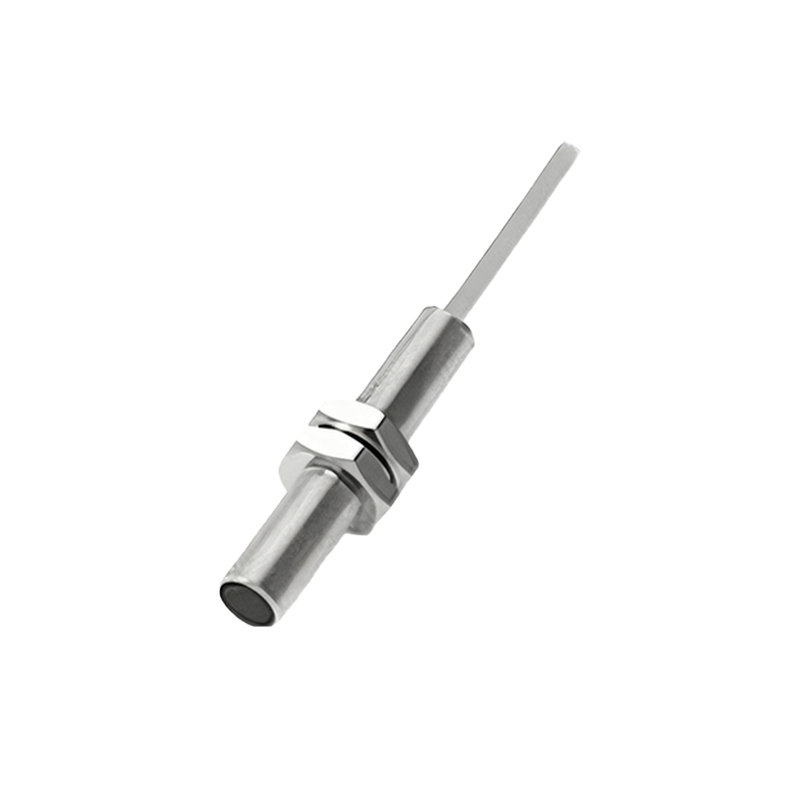
The term "high temperature" in this context is not arbitrary. In industrial automation, a standard proximity sensor typically has an operating temperature range of -25°C to 70°C. A sensor is generally classified as "high temperature" when its maximum continuous operating temperature significantly exceeds this standard range. Common ratings for high-temperature models start at 120°C (248°F) and can extend dramatically. Commercially available sensors routinely offer ratings of 150°C (302°F), 200°C (392°F), and even 250°C (482°F). For extreme applications, specialized sensors can be found with capabilities reaching 350°C (662°F) or higher. It is crucial to distinguish between the ambient temperature rating (the temperature of the surrounding air) and the sensing face temperature, as the latter can be much higher when detecting hot objects like molten glass or red-hot metal billets.
Key Technologies and Design Considerations
Achieving these remarkable temperature ratings requires meticulous design. The sensing coil is wound with high-temperature-resistant wire, often with a special enamel coating. The potting compound used to secure internal components is a critical element; it must remain stable, non-conductive, and non-cracking under thermal cycling. Manufacturers frequently use epoxy resins or silicone-based compounds formulated for high temperatures. The housing is another vital component. Austenitic stainless steels like 316L are common for bodies, while sensing faces may be made from specialized ceramics like alumina or zirconia, which offer excellent thermal and electrical insulation. Furthermore, the connecting cable must be rated for equivalent temperatures, typically using PTFE (Teflon) or silicone insulation to prevent melting or brittleness.
Primary Industrial Applications
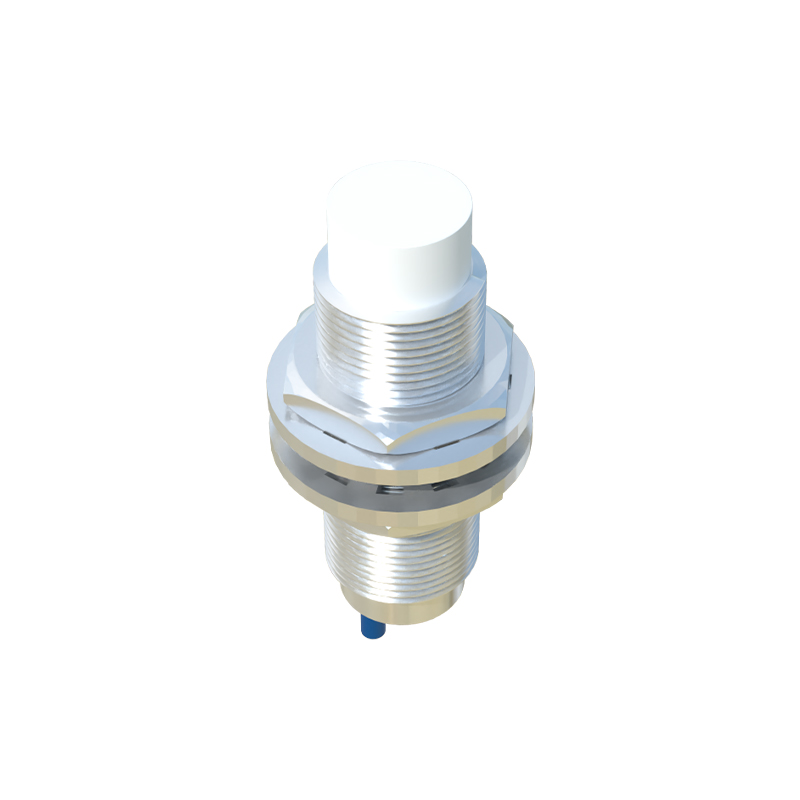
These sensors are indispensable in heavy industries where processes inherently generate intense heat. In metal casting and forging, they are used for position detection of ingots, billets, and molds within furnaces or immediately after forging presses. The glass manufacturing industry relies on them to monitor the position of molten glass gobs and bottles in lehr (annealing) ovens. In automotive production, they are installed near welding robots and paint curing ovens. Other critical applications include monitoring turbine blades in power generation, detecting parts in industrial kilns and ceramic firing ovens, and controlling processes in chemical plants and refineries where high ambient temperatures are prevalent. Their use prevents mechanical contact with hot surfaces, reducing wear and avoiding product contamination.
Selection Criteria and Installation Best Practices
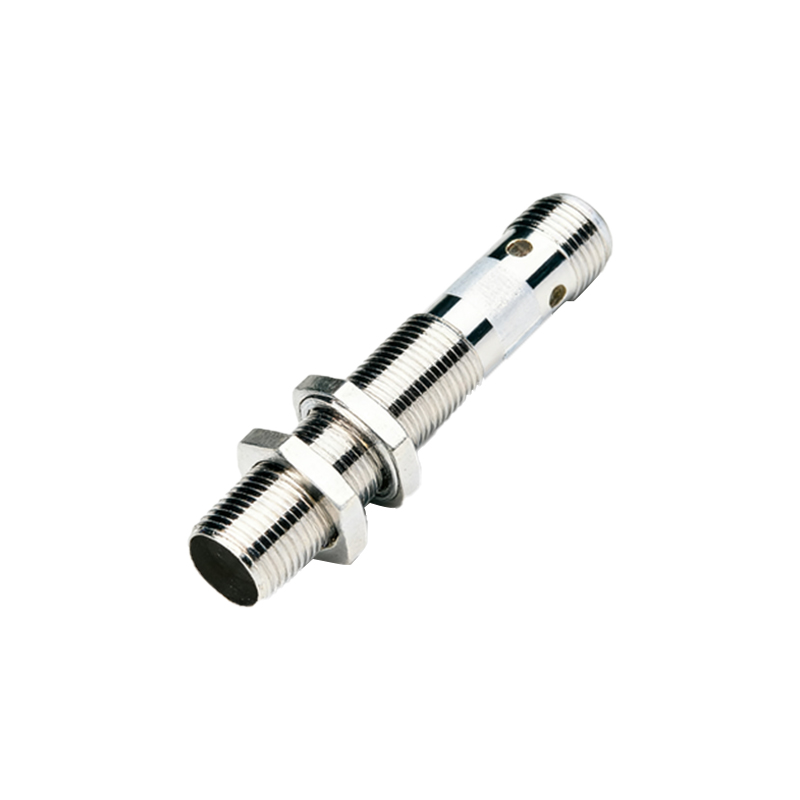
Selecting the right high-temperature sensor involves more than just the temperature rating. Engineers must consider the sensing distance, which can be reduced at higher temperatures, and the required electrical output (PNP/NPN, NO/NC). The IP (Ingress Protection) rating is also vital, especially if the environment involves steam, water, or conductive dust. During installation, it is essential to ensure adequate thermal isolation between the sensor body and the mounting bracket, often using insulating spacers or standoffs. Cable routing must avoid direct contact with hot surfaces, and any excess cable should be coiled away from the heat source. Proper derating, as specified in the datasheet, is mandatory; a sensor rated for 200°C may have a reduced switching frequency or sensing range at that maximum temperature.
Challenges and Maintenance Insights
Despite their robust design, high-temperature proximity sensors face unique challenges. Prolonged exposure to peak temperatures can accelerate the aging of materials, potentially leading to a gradual drift in the switching point or, ultimately, failure. Thermal cycling—repeated heating and cooling—induces mechanical stress that can crack potting materials or solder joints. In environments with significant thermal radiation, a heat shield or baffle may be necessary to protect the sensor. Maintenance involves regular functional checks and visual inspections for cracked housings or degraded cables. Predictive maintenance strategies often include monitoring the sensor's operating temperature with an independent thermocouple and tracking its