Introduction to Photoelectric Sensors and CCD Technology
Photoelectric sensors are devices that detect light, infrared radiation, or other electromagnetic energy and convert it into an electrical signal. These sensors operate on principles such as the photoelectric effect, where incident photons cause electron emission, or photoconductivity, where light alters electrical resistance. Common types include photodiodes, phototransistors, and photoresistors, each offering distinct sensitivity, response time, and spectral range characteristics. Complementing these sensors, Charge-Coupled Device (CCD) technology represents a sophisticated imaging solution. A CCD is an integrated circuit consisting of an array of capacitive bins that capture and transfer electrical charges generated by incoming light. When photons strike the CCD's photosensitive surface, typically made of silicon, they create electron-hole pairs. The accumulated charge in each pixel is then sequentially read out, producing a detailed digital image. The synergy between photoelectric sensors and CCDs lies in their combined ability to precisely measure light intensity, enabling high-resolution imaging across scientific, industrial, and consumer applications.
Fundamental Operating Principles in Imaging Systems
In CCD-based imaging systems, photoelectric sensors serve as the frontline components for light detection. Each pixel in a CCD array essentially functions as a miniature photoelectric sensor. When light enters the system through a lens, it is focused onto the CCD surface. The silicon substrate absorbs photons, generating electrons that are stored in potential wells within each pixel. This process directly relies on the photoelectric effect, where the energy of incoming light liberates electrons. The efficiency of this conversion, known as quantum efficiency, is critical for image quality—higher efficiency means better sensitivity, especially in low-light conditions. Photoelectric sensors integrated into or alongside CCDs often include filters to select specific wavelengths, such as infrared or ultraviolet, tailoring the system for specialized tasks like astronomical observation or medical imaging. The analog signals from these sensors are subsequently converted into digital data through analog-to-digital converters, forming the basis for image processing and analysis.
Key Applications in Industrial Automation
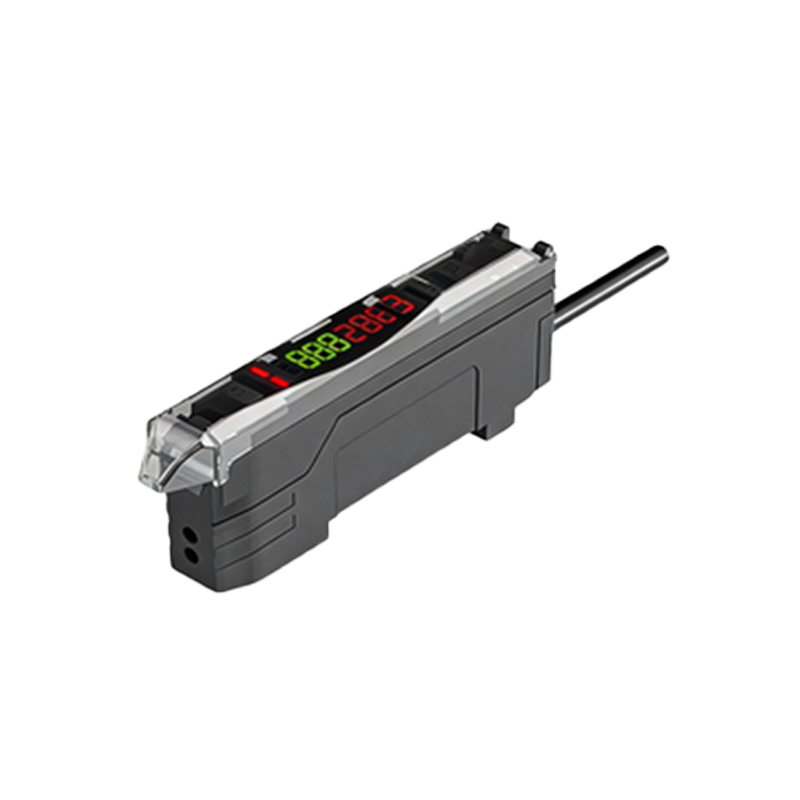
Photoelectric sensors enhance CCD imaging in numerous industrial automation scenarios. In machine vision systems, they enable precise object detection, alignment, and inspection. For instance, in assembly lines, CCD cameras equipped with photoelectric sensors can identify defective components by analyzing light reflections or transmittance patterns. Sensors with high-speed response facilitate real-time monitoring of fast-moving objects, such as in packaging or printing machinery. Additionally, in quality control, photoelectric sensors help measure dimensions, detect surface flaws, or verify color consistency by interacting with CCDs to capture detailed images under controlled lighting. Infrared photoelectric sensors are particularly valuable in harsh environments, where they can penetrate dust or smoke, ensuring reliable operation in industries like mining or metalworking. These integrations boost productivity, reduce errors, and support automated decision-making processes.
Advancements in Scientific and Medical Imaging
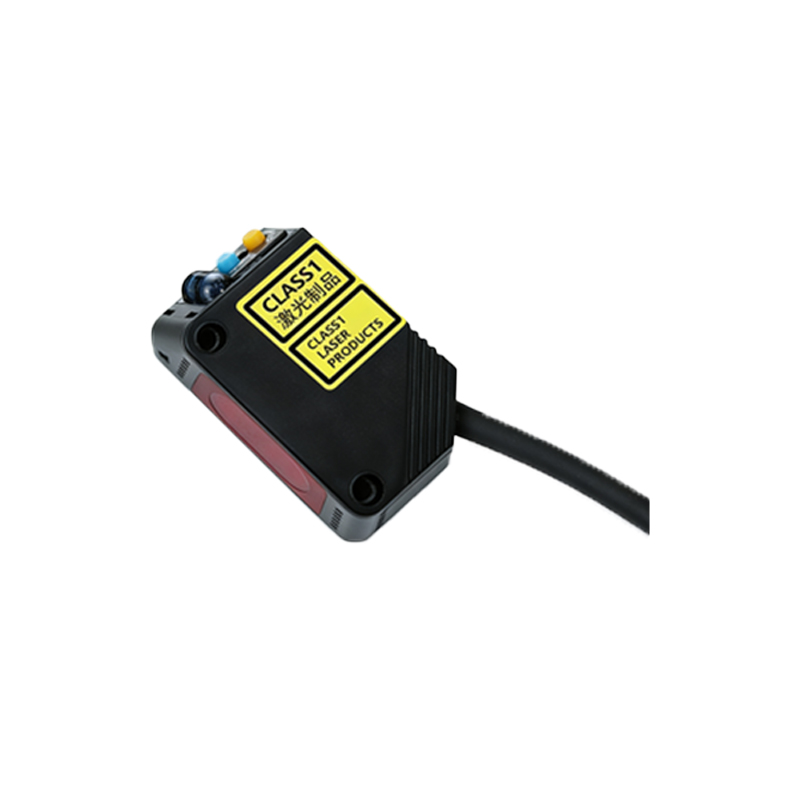
The collaboration between photoelectric sensors and CCDs has revolutionized scientific and medical fields. In microscopy, high-sensitivity CCDs with photoelectric sensors allow for capturing faint fluorescent signals, enabling researchers to study cellular structures or molecular interactions. Astronomy benefits from cooled CCDs that minimize thermal noise, where photoelectric sensors detect distant celestial objects with exceptional clarity. Medical imaging devices, such as digital X-ray systems or endoscopes, utilize CCD arrays with photoelectric sensors to convert radiation or visible light into high-resolution images for diagnosis. Recent innovations include back-illuminated CCDs, which improve light collection efficiency by repositioning circuitry, and the integration of complementary metal-oxide-semiconductor (CMOS) sensors with photoelectric elements for faster readout speeds. These advancements drive discoveries in biology, physics, and healthcare, offering deeper insights into complex phenomena.
Challenges and Future Trends
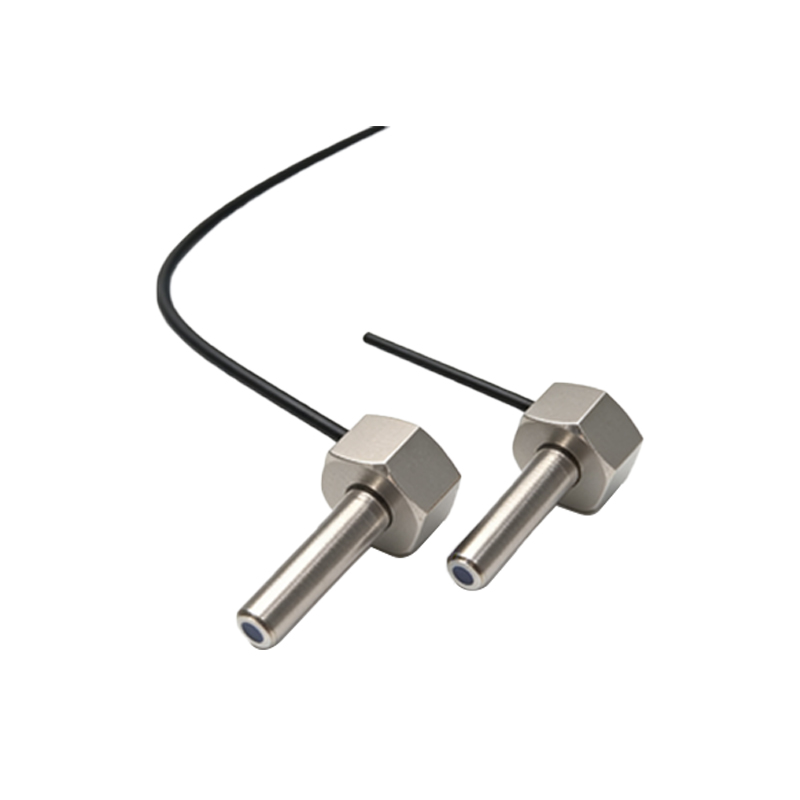
Despite their advantages, combining photoelectric sensors with CCD imaging presents challenges. Noise sources, such as dark current from thermal effects or readout noise during signal conversion, can degrade image quality, necessitating cooling systems or advanced algorithms for suppression. CCDs also consume more power and have slower readout rates compared to CMOS alternatives, limiting use in high-speed applications. Looking ahead, trends point toward hybrid systems that merge photoelectric sensors with emerging technologies. Quantum dot sensors, for example, promise higher sensitivity and tunable spectral responses. Artificial intelligence integration will enable smarter image analysis, automating tasks like defect detection or pattern recognition. Furthermore, miniaturization efforts aim to develop compact, low-power imaging modules for portable devices, expanding applications in fields like environmental monitoring or wearable health tech. As research progresses, these developments will enhance precision, efficiency, and versatility in imaging solutions.
Conclusion and Practical Considerations
Photoelectric sensors are integral to CCD imaging, providing the foundational mechanism for light-to-electrical conversion. Their applications span from industrial automation to scientific research, driven by continuous improvements in sensitivity, speed, and integration. When designing systems, engineers must consider factors like sensor type, spectral range, and environmental conditions to optimize performance. Regular calibration and maintenance ensure long-term reliability. By understanding the interplay between photoelectric sensors and CCD technology, professionals can leverage these tools to solve complex imaging challenges, paving the way for innovations in automation, medicine, and beyond. As technology evolves, this synergy will remain a cornerstone of advanced imaging systems, enabling clearer, faster, and more accurate visual data acquisition.